
Lara Weinberg is a student at Harvard Law School.
In today’s news and commentary, the DOL dismisses its appeal of a Biden-era overtime expansion rule, EEOC sues the New York Times for discrimination against a white male employee, and New Jersey’s Department of Labor and Workforce Development finalizes rules that may require employers and courts to classify gig workers as employees.
On Tuesday the DOL agreed to drop its Fifth Circuit appeal regarding a rule that would have expanded overtime pay to millions of Americans. The rule would have raised the salary threshold to receive overtime pay for executive, administrative, or professional employees from $35,568 to $58,656. Two Texas district judges had vacated the rule in 2024 before it went into effect, on the grounds that it exceeded the agency’s authority under FLSA. As James reported this week, the DC Circuit recently agreed to pause litigation until the end of June. Two days later, the DOL abandoned its litigation entirely.
Meanwhile, EEOC filed employment discrimination charges against the New York Times in the Southern District of New York. It charges the Times with discriminating against a long-term white male employee after he did not receive a promotion to Deputy Real Estate Editor last year. EEOC claims that the Times chose a less qualified “multiracial female candidate” based on personal attributes rather than aptitude for the position. The complaint points to the paper’s 2021 diversity initiative as proof of a discriminatory hiring process, as well as Slack messages between leaders discussing general hiring trends. It cites no specific instances of discrimination beyond the failed promotion. This action is in line with the EEOC’s priorities under Trump-appointed chair Andrea Lucas. Since last year, she has pushed the agency to focus on “D.E.I.-related discrimination,” the same language the Trump administration has used in its sweeping campaign against businesses and universities. The Times denies any wrongdoing, and says the selected candidate was chosen based on her qualifications alone.
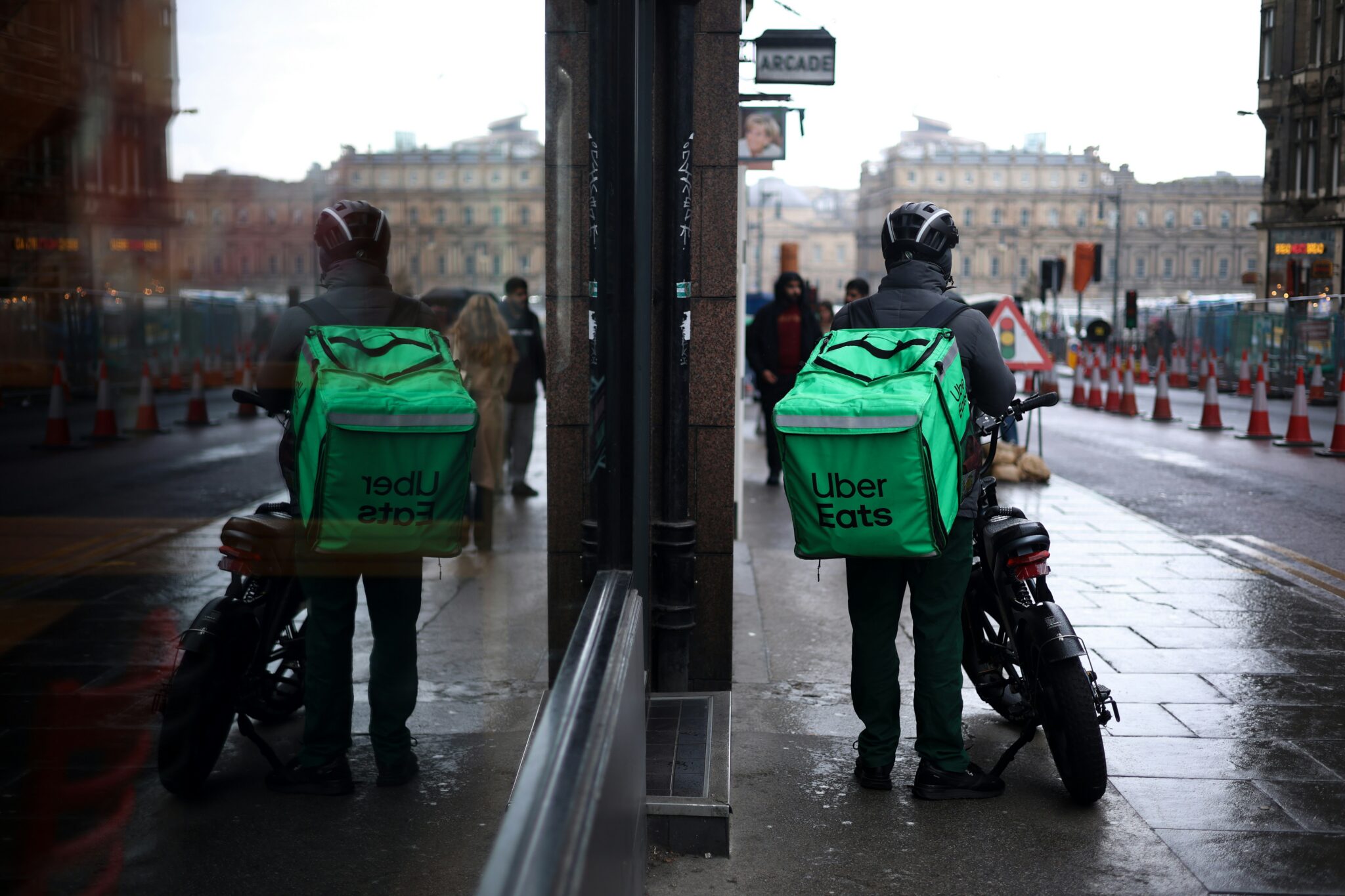
Finally, on Tuesday New Jersey’s Department of Labor and Workforce Development finalized rules to clarify the distinction between employees and independent contractors. It formalizes a three-part “ABC” test that employers must meet before a worker can be classified as an independent contractor. The employer must not have “control or direction” over the worker, the work must be “outside the usual course of business,” and the worker must engage in other “independently established work.” The rule is set to go into effect on October 1st and has stirred controversy in the business community. It faces opposition from Uber, Lyft, Instacart, DoorDash and the New Jersey Business & Industry Association, who fear their workers will be reclassified as employees, requiring minimum wage and overtime. During the notice and comment period, officials eliminated a clause stating app drivers are “likely” within the usual course of business. A sub-factor defining apps as evidence of “control or direction” was also removed, but remains elsewhere in the document as an illustrative example. State officials have attempted to allay fear, saying this rule is unlike California’s AB5 which formally classified gig workers as employees. It is yet to be seen whether New Jersey courts will find a practical distinction.





Daily News & Commentary
Start your day with our roundup of the latest labor developments. See all
October 26
Harvard dining workers authorize strike; New York City bans horse carriages; Brooklyn nurses rally in support of colleague.
October 25
Dallas Cowboys Cheerleaders unionize; Bureau of Prisons again pushes for union contract cancellation; CSU faculty votes on strike authorization.
October 23
Employers increasingly shift health care costs onto workers and NYC proposes placing restrictions on fully automated customer service.
October 22
SCOTUS declines Wilcox appeal; Penn State research assistants win bargaining rights; SEIU sued over military leave firing.
October 21
DOL withdraws tipped-worker rule; Instacart settles hiring-bias claims; Phillips 66 locks out New Jersey refinery workers.
October 20
Korean unions oppose labor exemption bill; Portland city workers prepare for strike; UPenn grad student union looks to dismiss university filing