

Lara Weinberg is a student at Harvard Law School.
In today’s news and commentary, the DOL proposes a rule to include alternative assets in 401(k)s, Starbucks shareholders reelect directors steeped in labor controversy, and Washington passes a workplace immigration warning requirement.
On Monday, the Department of Labor proposed a rule that would allow employers to more easily include private equity investments and cryptocurrencies in 401(k) plans. The existing rule does not bar these holdings, known as “alternative assets,” from 401(k) plans, but the new rule would ensure a safe harbor against potential future litigation. The rule comes as an implementation of President Trump’s August 2025 executive order that advocates expanding the inclusion of these assets in retirement plans. Some critics, including Democrats, have raised flags that these plans are riskier than traditional investments. This is the latest in a string of pro-crypto moves by the Trump administration, following new SEC guidelines last month. The Trump family has likely profited over $1B from crypto assets since the beginning of 2025.
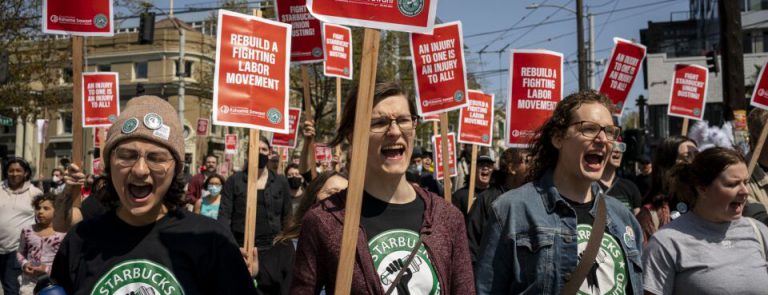
Meanwhile, Starbucks investors voted to reelect Jørgen Vig Knudstorp and Beth Ford to the board of directors, over opposition from a coalition of labor-oriented groups. Earlier this year, the board dissolved the independent Environmental, Partner, and Community Impact Committee. The Committee was created to oversee the company’s union relations, after being prompted to do so by an internal audit in 2023. The dissolution of the Committee means oversight of labor relations is now up to the board itself. Both Knudstorp and Ford previously held positions that involved oversight related to ongoing worker disputes. Critics see this move as further backsliding by Starbuck’s top management in the conflict.
Finally, Washington Governor Bob Ferguson signed House Bill 2105 into law this week. The statute, passed by both chambers without a single vote from Republicans, will require employers to inform workers of I-9 audits by immigration authorities. Employers must provide a written warning once they receive notice of inspection from the agency. While directed at ICE inspections, the bill would also apply to DOJ and DOL enforcement. Employers must also provide a second warning to workers who are identified during the inspection as potentially lacking federal work authorization. In addition to empowering the Attorney General to seek injunctions, damages, and fines, the statute also creates a private right of action for individuals or organizations impacted by an employer’s violation. Washington is one of the first states to pass a law of this kind, following California’s labor code, which provides for a similar requirement. Other states are currently considering I-9 inspection warnings, including Massachusetts, where a similar bill has been in committee since December.



Daily News & Commentary
Start your day with our roundup of the latest labor developments. See all
October 7
DOL scraps plan to remove decades-old wage-and-hour guidance from federal regulations; New York enacts personnel records access law; Starbucks loses bid to dismiss Workers United trademark suit.
October 6
Protect College Sports Act dampens athlete unionization outlook; Stanford RA union decides to withdraw petition
October 5
Delaware bans captive audience meetings; EEOC settles remote work national origin discrimination claim; First Circuit stays enforcement order in VA's dispute with AFGE.
October 4
Boston nurses announce open-ended strike; federal judge restores federal prison workers' union protections; St. Louis workers form the first movie theater union in Missouri.
October 2
Gov. Newsom signs bill regulating AI in workplace; federal judge blocks Trump's $100,000 H-1B visa fee.
October 1
Senate confirms Keith Sonderling as Labor Secretary; Amazon warehouse workers launch an unfair labor practice strike.