
Justin Cassera is a student at Harvard Law School.
In today’s news and commentary, Starbucks’ union revives talks with company and new job data is released.
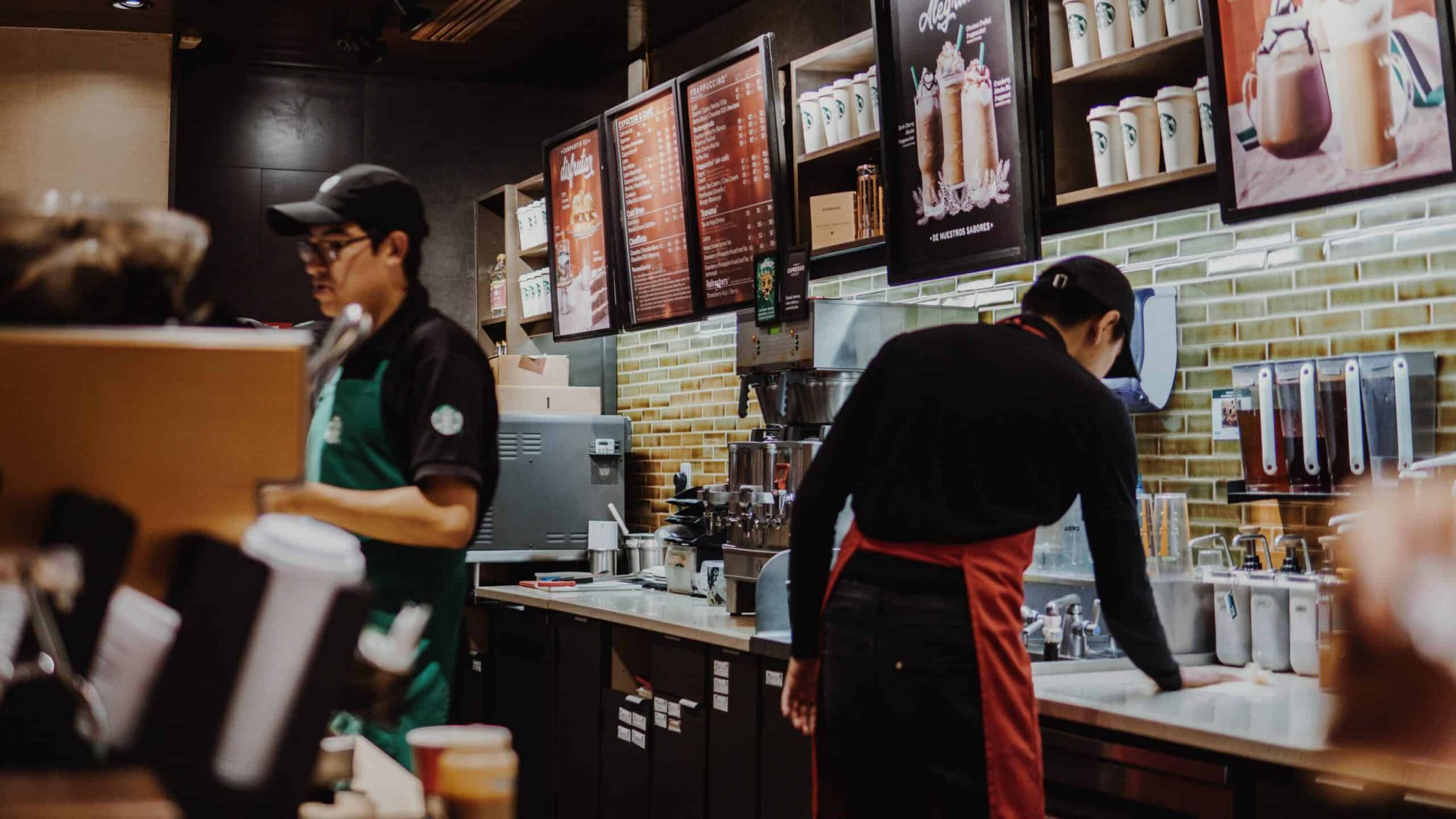
On Friday, Starbucks Corps.’ union announced that it had made a new contract offer to the company in an effort to revive talks geared towards a collective bargaining agreement. The proposal includes a $17 minimum wage, 4% annual raises, and minimum staffing requirements. Starbucks declined to comment on the new offer while the union said, “it’s time to get a fair contract done so we can all move forward.” In the past, Starbucks has accused the union of proposing “financially unsustainable” offers. The parties participated in a failed mediation in April which came in the wake of the parties walking away from the table entirely in late 2024. The union represents approximately 600 of roughly 10,000 company-run stores.
On Friday, the Bureau of Labor Statistics released its January employment data stating that the number of national layoffs had decreased and job openings increased. Despite this news, many consider the job market as “relatively fragile.” The increase in employment opportunities were primarily driven by the finance and insurance, health care and social assistance, retail trade and accommodation, and food services industries. Importantly, the data showed that the number of unemployed people exceeds job openings, adding support to the Federal Reserve’s contention that the labor market is not currently a source of inflationary pressure (with inflation holding firm month-over-month).





Daily News & Commentary
Start your day with our roundup of the latest labor developments. See all
October 19
FDA reverses course on policy prohibiting off-duty union activity; FAA and NATCA reach deal to secure pay increase for air traffic controllers.
October 18
Federal judge again halts cancellation of the Bureau of Prisons’ CBA; tabletop gaming workers face roadblocks in union recognition.
October 16
Department of Labor reduces wage-and-hour enforcement at unionized workplaces; Fain's victory poses question of federal monitor's extension.
October 15
New reporting examines the rollback of child labor protections; California tries to block a strike; NLRB charges Wisconsin mental health provider with firing workers during union drive.
October 14
Eleventh Circuit overturns ERISA exhaustion rule; DHS finalizes removal of automatic renewal for work permits; AFGE challenges SSA over flexible scheduling policy.
October 13
Chicago hotel workers remain on strike; a coalition of Democratic states sues the Labor Department over canceled unemployment insurance grants; the Federal Labor Relations Authority establishes a new mediation framework for federal worker disputes.