
Lara Weinberg is a student at Harvard Law School.
In today’s news and commentary, SEIU and Los Angeles Unified School District reach a tentative agreement, EBSA releases new deregulatory priorities, and Trump nominates James Macy to the NLRB.
On Tuesday morning, SEIU 99 and the Los Angeles Unified School District (LAUSD) reached a tentative agreement. The union represents 30,000 staff, including bus drivers, cafeteria workers, custodians, and teaching aides, and encompasses LAUSD, the second largest school district in the country. The parties reached an agreement just hours before the workers were poised to go on strike. The teachers and administrators unions in the district, United Teachers Los Angeles and Associated Administrators Los Angeles, reached a deal days before, but had promised to join Tuesday’s strike in solidarity with SEIU 99 absent an agreement. LA Mayor Karen Bass played a role in the negotiations after community members spoke up about the potential impact of a strike. Both SEIU 99 and the teachers and administrators unions reached agreements for significant wage increases: 24% for staff and 11.65% for teachers and administrators over the course of two years.
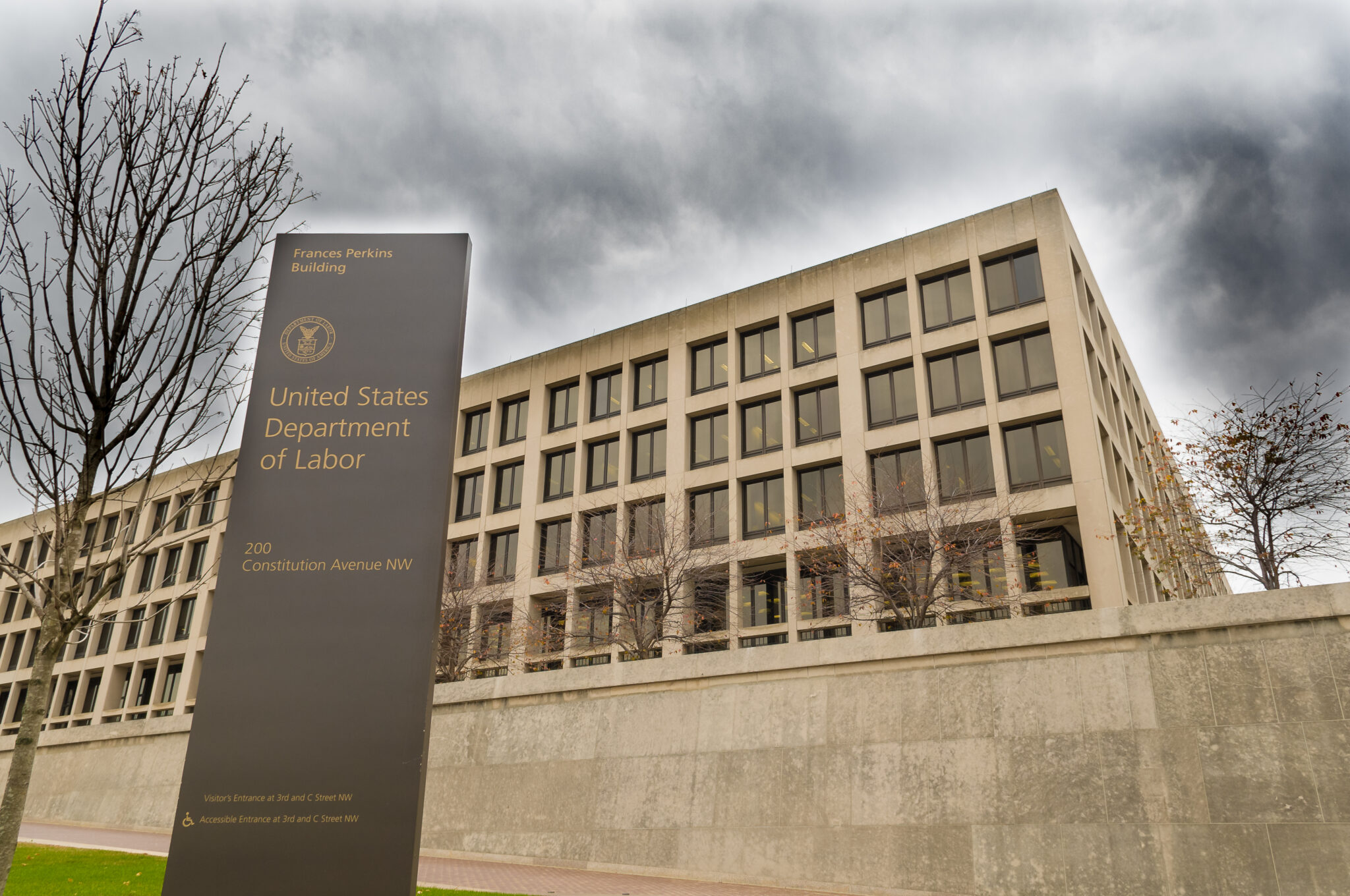
Meanwhile, the Employee Benefits Security Administration (EBSA) issued a new field assistance bulletin outlining the DOL sub-agency’s four new priorities. First, investigations will focus only on “the most egregious conduct,” meaning EBSA will avoid enforcing prudence-duty cases which it says unfairly second-guess fiduciaries. Next, EBSA will stop ‘regulating through enforcement,’ meaning it will not accept any novel legal theories or interpretations during enforcement proceedings. Third, all “significant enforcement activities” by the sub-agency will have to be approved by senior officials going forward. Finally, EBSA will limit the timespan of investigations to either 18 or 30 months, depending on complexity. EBSA is currently headed by Trump appointee Daniel Aronowitz, a former insurance executive. Aronowitz discussed his commitment to several of the priorities in Tuesday’s bulletin during his Senate testimony last year. This latest move is consistent with EBSA’s broader pro-employer positions and focus on deregulation under his watch.
Finally, on Monday Trump nominated Republican James Macy to the NLRB. Macy has been working as the Director for the Office of Workers’ Compensation Programs at the DOL since last year, after leaving employer-side private practice. The White House also reappointed Democrat David Prouty, who has served since 2021. If both nominees are confirmed by the Senate for their five-year terms, the NLRB will sit at a 3-1 Republican majority, which likely means a major shift in the Board’s decision-making. The Board currently has a 2-1 Republican majority, and since regaining quorum in December, it has adhered to the unwritten tradition of only reversing precedent when three members vote to do so. Three Republican members on the Board would create a clear path to overrule Biden-era precedent, including bans on captive audience meetings and Cemex, which is unstable after a rejection last month by the Sixth Circuit.




Daily News & Commentary
Start your day with our roundup of the latest labor developments. See all
October 14
Eleventh Circuit overturns ERISA exhaustion rule; DHS finalizes removal of automatic renewal for work permits; AFGE challenges SSA over flexible scheduling policy.
October 13
Chicago hotel workers remain on strike; a coalition of Democratic states sues the Labor Department over canceled unemployment insurance grants; the Federal Labor Relations Authority establishes a new mediation framework for federal worker disputes.
October 12
Workers at the Obama Foundation begin organizing; MLB submits its latest collective bargaining agreement proposal; Brigham & Women's nurses postpone strike.
October 11
UAW President Shawn Fain succeeds in his reelection bid, and Spanish unions call for a general strike.
October 9
DHS proposes a $100k fee for the foreign grad employment program; Trump suspends tech company access to green card program; and private equity perpetuates poor working conditions for home care workers.
October 8
NLRB judge finds UPS unlawfully restricted union insignia; Harvard graduate workers authorize second strike; OSHA orders Union Pacific to pay $300,000 in damages in whistleblower case.