
Gurtaran Johal is a student at Harvard Law School.
In today’s news and commentary, the Supreme Court lifts a federal trial court order that allowed Venezuelans to keep their Temporary Protected Status; a federal judge permits customer service agents from Frontier Airlines Inc. and Menzies Aviation to pursue litigation rather than endure arbitration over a wage dispute; and NLRB prosecutors limit when they seek consequential remedies for labor violations.
On May 19th, the Supreme Court lifted a federal trial court order that allowed Venezuelan migrants to keep their Temporary Protected Status (TPS). This decision came after the Trump administration filed an emergency application with the Court. TPS is a form of relief that protects immigrants who come from home countries that are unsafe. By lifting this order, the Court granted the Trump administration the ability to terminate TPS for approximately 350,000 Venezuelans. Previously, TPS holders were eligible to receive work authorization for up to 18 months. However, the Court’s ruling creates significant uncertainty among Venezuelan immigrants regarding their status, as the Court’s order fails to explain the immediate consequences of the decision.
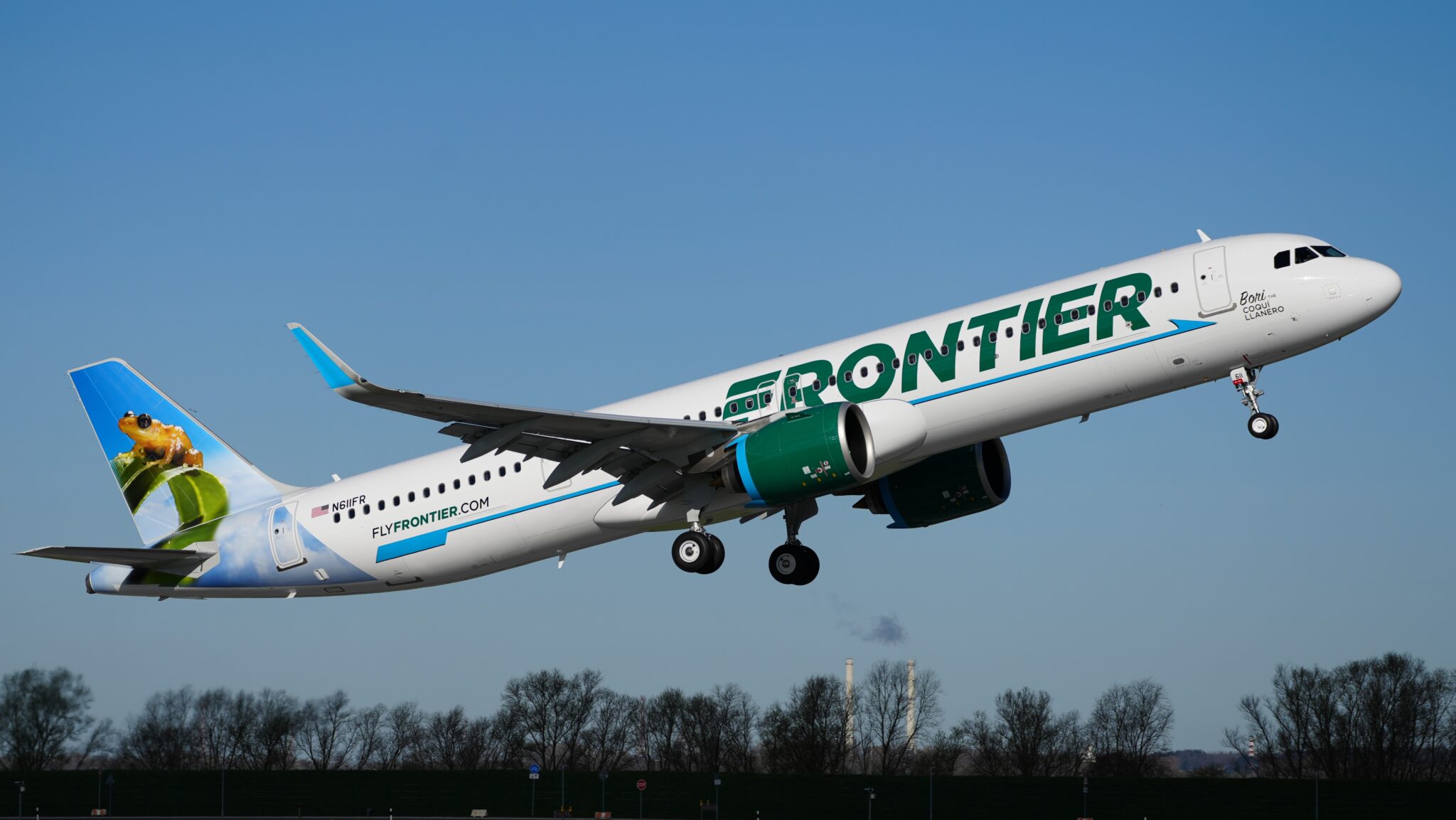
Meanwhile, Judge Shane Kato Crews of the U.S. District Court for the District of Colorado held that customer service agents working for Frontier Airlines Inc. and Menzies Aviation do not have to arbitrate their wage claims and can pursue litigation instead. The customer service agents sued Frontier Airlines and Menzies Aviation for deducting time from lunch breaks never taken, making the employees work through breaks, and failing to pay overtime or commissions. The two companies wanted to settle the dispute through arbitration, but the workers fell under the transportation worker exemption of the Federal Arbitration Act (FAA). The transportation worker exemption covers employment contracts of workers engaged in foreign or interstate commerce. Judge Crews decided that although the workers did not physically load and unload the airplanes, their work at the ticket counters to lift, weigh, inspect, and tag the luggage was a “direct and necessary” part of ensuring the luggage reached the airplane. Thus, the companies could not compel arbitration.
Lastly, Acting General Counsel William Cowen, in a memo, stated that regional NLRB officials should not demand that employers provide downstream damages for the impacts of unfair labor practices in all cases. Rather, the remedy should be limited to cases involving “widespread, egregious, or severe misconduct.” The memo also provided guidelines on how settlement agreements should be drafted. In particular, Cowen notes that non-admissions clauses may be included in certain settlement agreements. Moreover, Cowen contends that regional officials should focus on addressing “foreseeable harms” caused by unfair labor practices, a goal that significantly moves away from the Biden Administration’s objective to make workers whole.



Daily News & Commentary
Start your day with our roundup of the latest labor developments. See all
October 9
DHS proposes a $100k fee for the foreign grad employment program; Trump suspends tech company access to green card program; and private equity perpetuates poor working conditions for home care workers.
October 8
NLRB judge finds UPS unlawfully restricted union insignia; Harvard graduate workers authorize second strike; OSHA orders Union Pacific to pay $300,000 in damages in whistleblower case.
October 7
DOL scraps plan to remove decades-old wage-and-hour guidance from federal regulations; New York enacts personnel records access law; Starbucks loses bid to dismiss Workers United trademark suit.
October 6
Protect College Sports Act dampens athlete unionization outlook; Stanford RA union decides to withdraw petition
October 5
Delaware bans captive audience meetings; EEOC settles remote work national origin discrimination claim; First Circuit stays enforcement order in VA's dispute with AFGE.
October 4
Boston nurses announce open-ended strike; federal judge restores federal prison workers' union protections; St. Louis workers form the first movie theater union in Missouri.