
Gurtaran Johal is a student at Harvard Law School.
In today’s news and commentary, the WNBPA unanimously votes to ratify the league’s new CBA; NYU professors begin striking; and a district court judge denies the government’s motion to dismiss a case challenging the Trump administration’s mass revocation of international student visas.
As Mila Rostain reported, on March 18th, the WNBA and Women’s National Basketball Players Association (WNBPA) reached a verbal agreement on a new collective bargaining agreement. On Monday, WNBA players voted to ratify the new collective bargaining agreement, with the result being a unanimous yes. More than 90% of players participated in the vote. The next step is for the WNBA Board of Governors to approve the CBA terms. The new CBA contains a revenue-sharing model, and the salary cap for the upcoming season will be $7 million, which is subject to change based on team and league revenue growth. It also includes increases to the minimum and maximum salaries, with the average salary expected to be $583,000 in 2026. Additionally, it provides increased investments in team facilities, housing support, travel accommodations, and family planning.
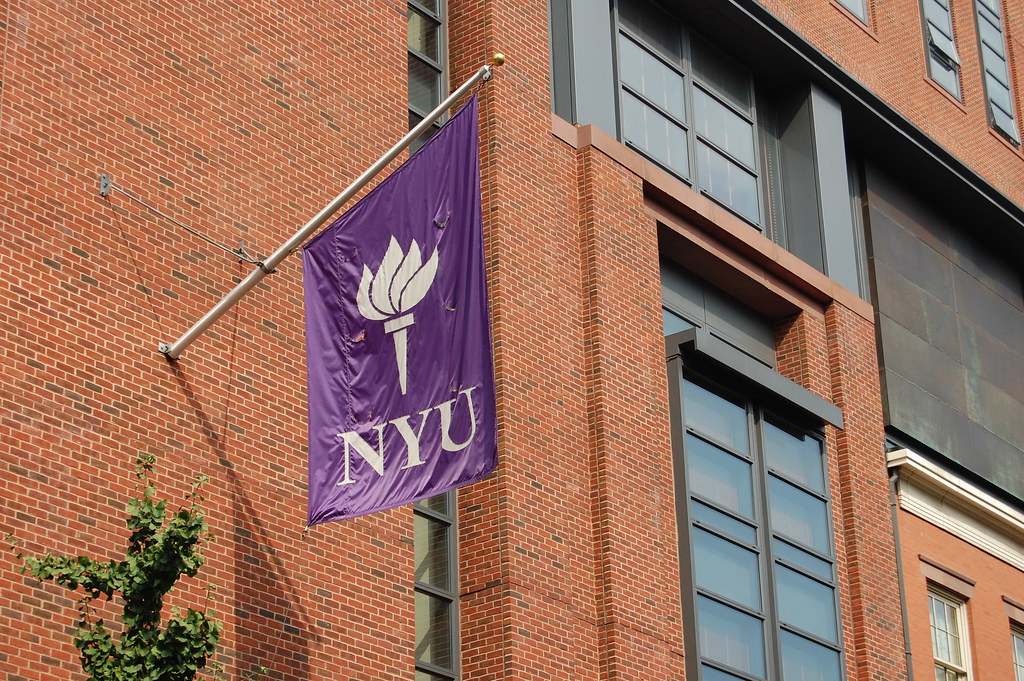
Meanwhile, on Monday, hundreds of New York University (NYU) professors began a strike over a contract dispute. 950 full-time faculty members who are not on track to earn tenure began the strike. The professors are members of Contract Faculty United-UAW, and they argue that they receive far less pay than their colleagues who are on a tenure track. They are seeking a pay increase, job protections, and housing assistance given the high cost of housing in New York. The strike will be disruptive, with approximately 25% of classes expected to be impacted. However, the university has planned for qualified substitute instructors or trained administrators to preside over these classes. The union’s spokesperson stated that the strike would continue until the bargaining committee reached terms that it could present to its members for a ratification vote.
Lastly, Judge Patti Saris of the U.S. District Court for the District of Massachusetts denied the government’s motion to dismiss a complaint that the Presidents’ Alliance on Higher Education and Immigration filed challenging the Trump administration’s mass revocation of international student visas. Plaintiffs argued that the Department of State’s decision to rescind student visas was arbitrary and capricious, and the Department of Homeland Security’s subsequent termination of status violated the Administrative Procedure Act (APA). Judge Saris rejected the government’s arguments that plaintiffs lacked standing and that the lawsuit was moot. She also found that the actions are subject to judicial review, a point that the Justice Department tried to dispute.



Daily News & Commentary
Start your day with our roundup of the latest labor developments. See all
October 13
Chicago hotel workers remain on strike; a coalition of Democratic states sues the Labor Department over canceled unemployment insurance grants; the Federal Labor Relations Authority establishes a new mediation framework for federal worker disputes.
October 12
Workers at the Obama Foundation begin organizing; MLB submits its latest collective bargaining agreement proposal; Brigham & Women's nurses postpone strike.
October 11
UAW President Shawn Fain succeeds in his reelection bid, and Spanish unions call for a general strike.
October 9
DHS proposes a $100k fee for the foreign grad employment program; Trump suspends tech company access to green card program; and private equity perpetuates poor working conditions for home care workers.
October 8
NLRB judge finds UPS unlawfully restricted union insignia; Harvard graduate workers authorize second strike; OSHA orders Union Pacific to pay $300,000 in damages in whistleblower case.
October 7
DOL scraps plan to remove decades-old wage-and-hour guidance from federal regulations; New York enacts personnel records access law; Starbucks loses bid to dismiss Workers United trademark suit.