
Anthony Chen is a student at Harvard Law School.
In today’s news and commentary, the Supreme Court grants cert on Labor Department judges’ authority, Apple store union files an NLRB charge, and cannabis workers win unionization rights.
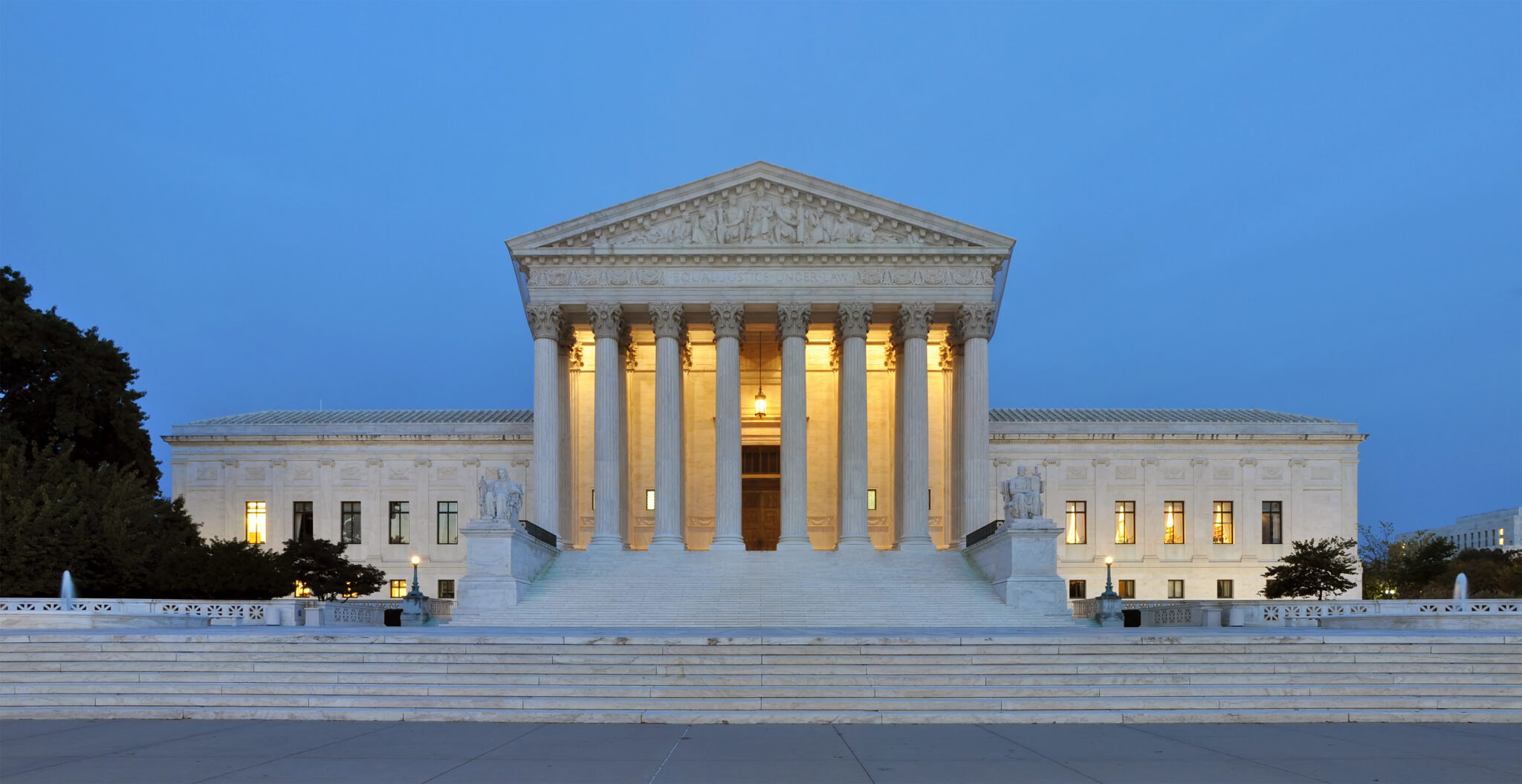
First on Monday, the Supreme Court agreed to hear a case concerning DOL Administrative Law Judges’ constitutional authority to enforce violations of the H-2A seasonal agricultural worker program. In 2025, the Third Circuit ruled in Sun Valley Orchards, LLC v. United States Department of Labor that Sun Valley Orchards was entitled to an Article III adjudication for civil penalties stemming from H-2A violations. Sun Valley argued that under SEC v. Jarkesy, the in-house DOL adjudication they were subjected to was unconstitutional. The Third Circuit agreed. First, it found that the enforcement action against Sun Valley for H-2A violations concerned private rights because the enforcement action was analogous to common law breach of contract. It then found that Jarkesy’s public rights exception to Article III adjudication did not apply because the regulations at issue did not concern immigration, which could fall into the public rights exceptions, but instead concerned private employment matters of wages and working conditions. The Supreme Court’s review is limited to whether the DOL is authorized under Article III or the Immigration and Nationality Act to adjudicate H-2A violations.
Next, the union representing workers at Apple’s first-ever unionized retail location in Towson, Maryland filed an NLRB charge, accusing the company of illegally discriminating against its members in connection with the store’s upcoming closure. Apple announced earlier this month that the Towson location would close in June along with two other stores. While employees at those other locations were offered transfers to nearby Apple Stores, the Towson workers were not. The International Association of Machinists and Aerospace Workers said that Apple “discriminated against IAM-represented workers in regards to their terms and conditions of employment in order to discourage them from exercising their rights.” So far, none of the store’s roughly 90 employees have been hired at another Apple location. Workers and union representatives say the disparate treatment is meant to deter unionization at other stores. Complicating any potential NLRB prosecution, the agency’s current general counsel, Trump-appointee Crystal Carey, previously represented Apple in NLRB disputes.
Finally, the NLRB ruled that cannabis processing workers have the right to unionize, rejecting Missouri-based BeLeaf Medical LLC’s argument that its cannabis processing employees qualify as agricultural workers exempt from the National Labor Relations Act. “The activities of the Post-Harvest employees generally are not performed by ordinary farm employees, and the activities in question have only an attenuated relationship to farming in the traditional sense,” the Board said. These commercial cannabis processing activities include destemming dried plants, running cannabis through trimming machines, and maintaining compliance with state regulations.
Daily News & Commentary
Start your day with our roundup of the latest labor developments. See all
November 27
Momentum gains for local job-automation regulations; M.L.B. seeks declaratory judgment for lockout.
November 26
Opposition to a national rail merger grows; NLRB director rejects a challenge to the recognition bar at a Kroger store.
November 25
In today’s news and commentary, the DOL bars ESG investing in 401(k) plans, the Fifth Circuit rules the Pregnancy Workers Fairness Act was unconstitutionally passed, and the EEOC repeals workforce data requirements for federal agencies. On Tuesday, the Department of Labor published a proposed rule that would prohibit 401k plans from taking into account ‘environmental, […]
November 24
Labor Department finalizes a new independent contractor rule; Broadway wardrobe workers authorize a strike; President Trump's EEOC nominee lacks the Senate votes to advance.
November 23
New York City’s teachers’ union announces intent to sue the city’s main pension fund; Teamsters win nearly $100 million arbitration award against Union Pacific Railroad; security workers at two busy California ports reach tentative contract agreement.
November 22
Research from the Rutgers Workplace Justice Lab finds that states are failing to use their wage theft enforcement powers, and global union leaders call for governments to review contracts with Amazon and AWS.