
James Blanchfield is a student at Harvard Law School.
In today’s News and Commentary, an Illinois bill paves the way for rideshare drivers to unionize, the Department of Labor issues a new rule aimed at financial transparency, and unions push back against state AI data center regulations.
On Monday, the Illinois General Assembly passed House Bill 5090, which regulates how rideshare drivers can form unions, elect union representatives, and engage in collective bargaining. The bill passed the House by a vote of 83-28 after passing the Senate the previous day. This comes as a huge victory for rideshare drivers, who for the past five months have lobbied at the Illinois state Capitol almost weekly in an effort to get the bill passed. As independent contractors, rideshare drivers are unable to unionize under federal labor law, making state labor law their only option. State Senator Ram Villivalam, the bill’s sponsor, said that the bill “goes back to a fundamental belief” that the ability to unionize leads to “better wages, benefits, and working conditions.” Illinois’s bill comes on the heels of Massachusetts rideshare drivers becoming the first in the nation to unionize, as Anthony reported here. As more states pass similar laws, unionization for rideshare drivers may become more common.
The Department of Labor recently announced a final rule designed to increase financial transparency for unions regulated by the Labor Management Reporting and Disclosure Act (LMRDA). The rule creates new requirements for financial disclosures, particularly for the country’s largest labor unions. Labor unions with more than $40 million in annual receipts will need to file a new report with the DOL. Originally proposed during the first Trump administration, the rule went through the notice and comment period in 2020 but was never finalized. The DOL stated that the rule is meant to help inform union members about where their union dues are being spent. It goes into effect on July 1.
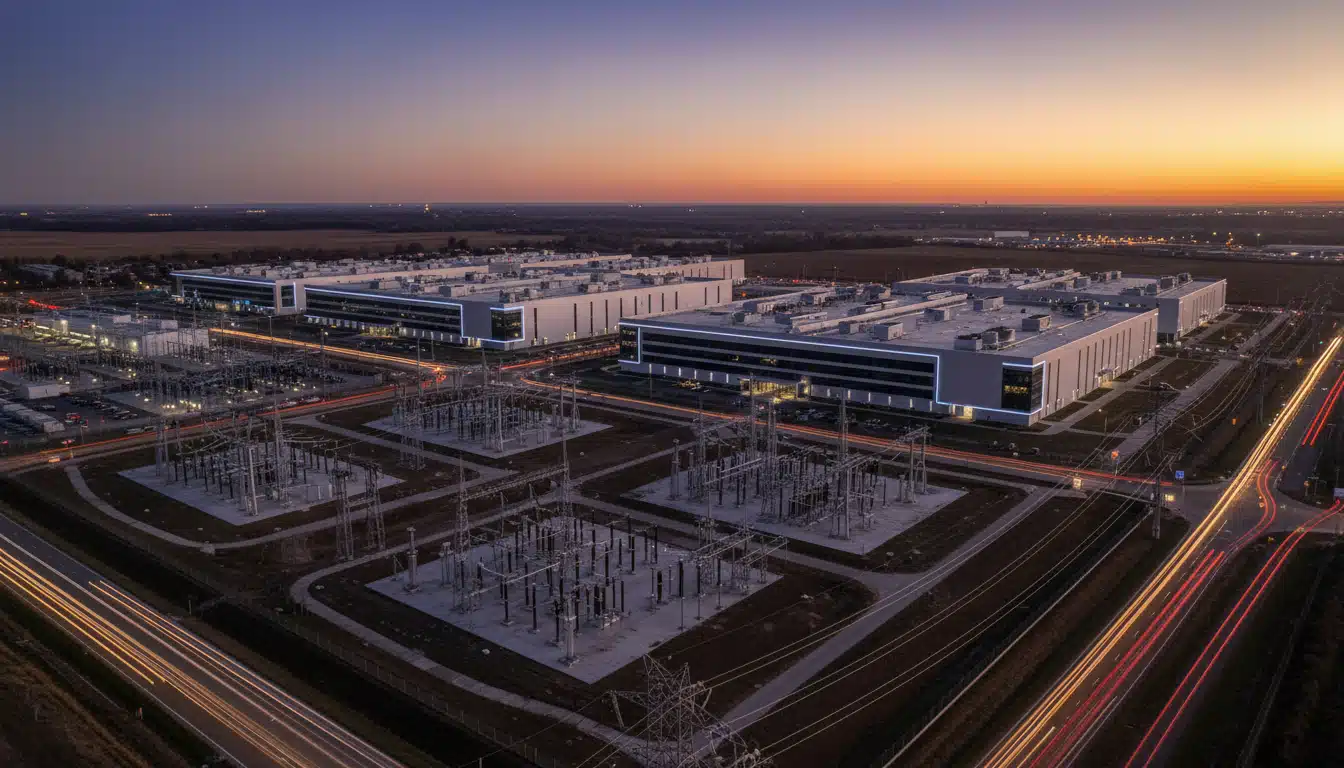
Unions are emerging as a key political force in state-level data center regulation debates, as many unions are siding with the tech industry against proposed restrictions. From California to Illinois, union groups have helped defeat or stall bills that would have imposed clean energy requirements, cost restrictions, or outright construction bans on new facilities. Some union leaders view data centers as a major source of well-compensated construction work, arguing that the centers are providing the best opportunity for union laborers since the mid-1990s. The tech industry has cultivated alliances through apprenticeship programs and labor agreements, including partnerships between OpenAI, Microsoft, and major building trades unions. In response, some Democratic governors and legislators, such as Pennsylvania’s Josh Shapiro and Sen. Chris Van Hollen, are trying to strike a balance by pairing data center regulations with prevailing wage requirements and workforce training mandates. Data center construction now accounts for nearly 30% of all U.S. construction value, making it a difficult target for regulation when unions are at the table.



Daily News & Commentary
Start your day with our roundup of the latest labor developments. See all
August 25
Hyundai workers reach a tentative agreement; Federal-sector unions sue the Trump Administration over OPM rule changes; Federal judge dismisses a teachers’ union free speech suit.
August 24
Boeing engineers and technicians reject contract proposals and authorize a strike; Ninth Circuit holds that unions charged under 8(b)(4)(D) cannot invoke the work-preservation defense to disregard 10(k) determination.
August 23
Hyundai Motors workers launch full-day strike; federal judge rules in favor of Vermont dairy plant in closure dispute
August 21
Tyson workers respond to abrupt plant shutdown; DOL ends its power to police federal contractor bias.
August 20
Unions sue the government over new visa rule; Judge declines to dismiss former Amazon worker's suit.
August 19
NLRB swears in third Trump-appointed Member; Teamster file complaint against Amazon in New York; unions and college students sue Trump admin for international student immigration restrictions