
Ethan Story is a student at Harvard Law School.
In today’s news and commentary, Harvard dining workers authorize a strike, New York City bans horse carriages in Central Park despite union opposition, and nurses at a Brooklyn hospital rally for a colleague they say was suspended for union organizing.
On Tuesday, 89 percent of Harvard University Dining Services (HUDS) workers voted to authorize a strike. Contract talks between the workers and Harvard began in March, and HUDS staff have been working without a contract since mid-June. The union is advocating for higher wages, affordable healthcare, and income during the summer. While the union has not yet set a strike deadline, now that the bargaining committee is authorized to call a strike, UNITE HERE Local 26 President Carlos Aramayo said that “the clock is ticking a little bit,” as workers have grown impatient with the lack of a new contract. Dining workers have not gone on strike in a decade, with the last strike forcing Harvard to close multiple dining halls and run the rest with minimum staffing.
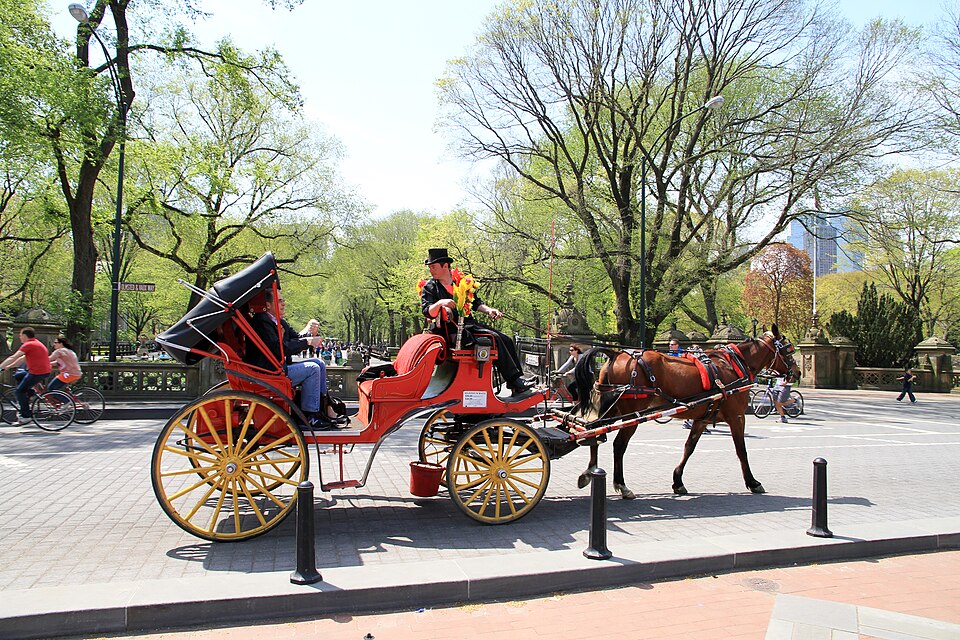
On Thursday, the New York City Council voted to ban horse carriages from Central Park starting in 2028. As I reported earlier, the ban is strongly opposed by the union that represents carriage owners and drivers, who vowed to challenge the legislation in court. The union argues that the bill, which directs city officials to create “horse-drawn-cab-industry transition plan” by next spring, offers few details about how the city plans to mitigate the economic fallout of eliminating the industry. Furthermore, union lawyers are challenging the lack of any provision to compensate carriage owners for buying carriage medallions, which cost as much as $400,000 each. City Council Speaker Julie Menin said that with the two-year transition window, city officials will have plenty of time to help carriage workers find new jobs. A spokeswoman for Mayor Mamdani’s administration also noted that they had begun discussions about how to compensate owners for the money spent on medallions.
Also on Thursday, nurses at Kings County Health Center in New York City held a rally for a nurse practitioner they say was suspended for union organizing. NYC Health + Hospitals alleged that the nurse practitioner, Sarah Dowd, improperly siphoned nurses away from their duties in order to discuss their union. Dowd, who serves as vice president of the hospital’s bargaining unit, disputed that characterization, noting that she was at the hospital in her capacity as a union leader to discuss staffing shortages. In addition to the rally, the New York State Nurses Association, the union representing the nurses, filed a complaint with the state’s Public Employees Relations Board challenging Dowd’s suspension.


Daily News & Commentary
Start your day with our roundup of the latest labor developments. See all
November 16
FMCSA ordered to disburse $73 million in withheld highway funds to New York; Department of Labor final rule regarding large union financial disclosures issued six years after initial withdrawal is upheld; Department of Labor issues enforcement alert for physician ghost networks maintained by health plans.
November 15
Unions oppose Chuck Schumer for Senate Majority Leader; Rockstar staff vote on unionization ahead of Grand Theft Auto VI’s release; New Jersey Education Association faces federal investigation.
November 12
Harvard graduate students go on strike; New York city mayor prepares to negotiate with the city's largest public union; the Trump administration proposes stringent rules for workers seeking benefits.
November 11
MIT grad union avoids strike, Colombian union clashes with Nestlé, and DOL proposes stricter UI requirements.
November 10
The White House nominates new EEOC and FTC commissioners; casino workers at Encore Boston Harbor ratify a new contract ending a two-month strike.
November 9
Democratic gains in Congress likely spell the end of the Protect College Sports Act; IBEW endorses the Bipartisan American Affordability and Jobs Act.