
Sophia is a student at Harvard Law School and a member of the Labor and Employment Lab.
In today’s news and commentary, employers increasingly shift health care costs onto workers and New York City proposes placing restrictions on fully automated customer service.
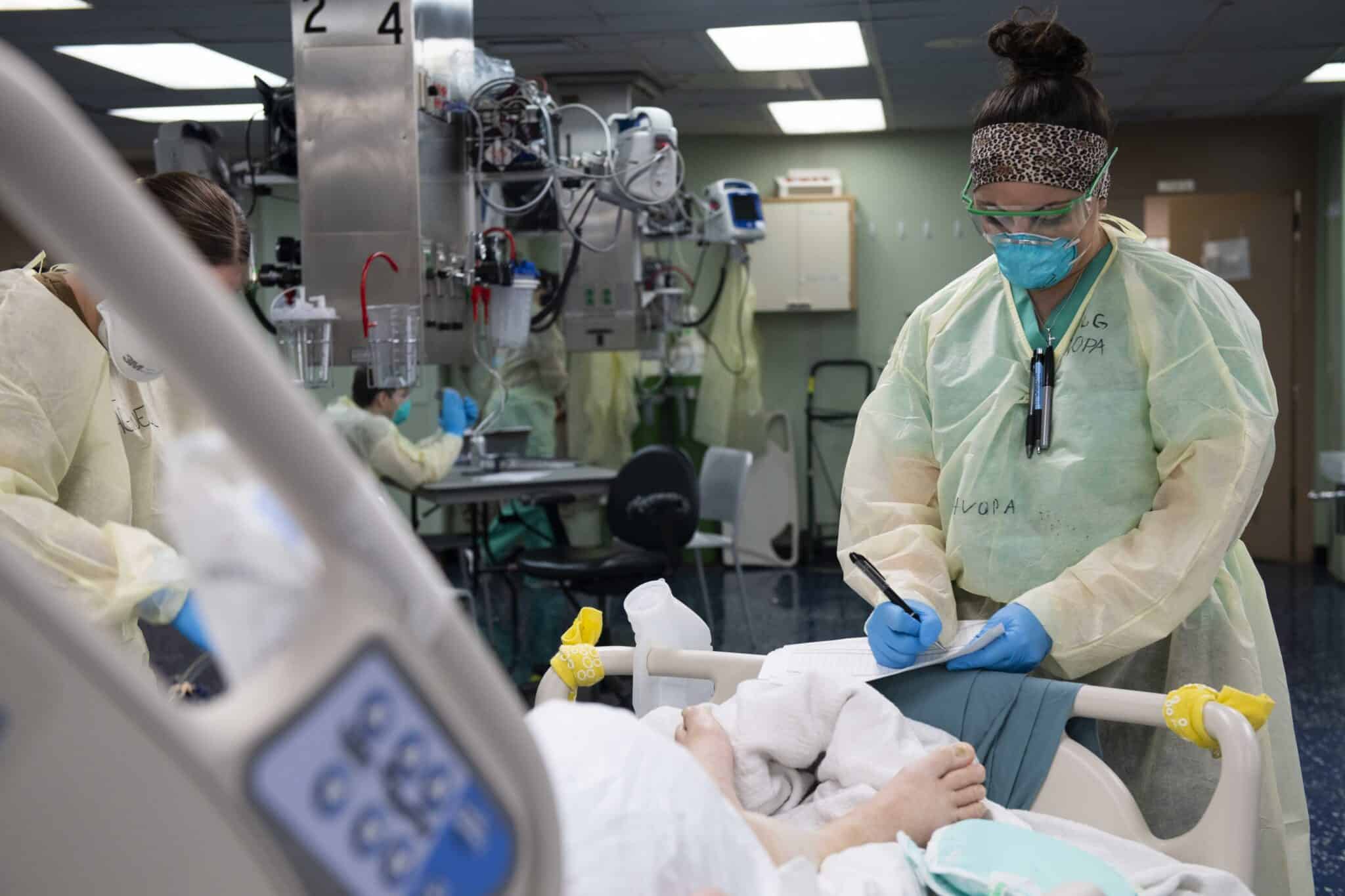
A new survey by KFF, a nonpartisan health policy organization, revealed that employee health care costs are growing. Most Americans, about 157 million, receive health insurance through their employer. As costs for coverage have risen, employers have placed a significant portion of the additional expenses onto their workers. Because companies have raised their plans’ deductibles to offset higher premiums, many workers are now paying thousands of dollars in medical costs when they become ill. The average annual cost for an employee to cover their family is $7,471—a 9 percent increase from 2025. Employees of small businesses (those with less than 200 workers) are hardest hit, having to pay on average $9,687 per year for health coverage. Over a third of employees at small businesses have annual deductibles of $3,000 or higher. Additionally, companies have implemented cumbersome approval processes for receiving treatments or expensive drugs and limited employees’ options of hospitals or doctors, all in an effort to reduce costs. Some have argued that the American health care system dominated by a model of employer-provided health insurance is “flailing,” as medical costs become increasingly prohibitive for many.
On Tuesday, the New York City Department of Consumer and Worker Protection (DCWP), pursuant to their authority under the New York City Consumer Protection Law, proposed a rule that would require businesses to provide a human representative when automated customer service methods fall short. The proposed rule aims to crack down on automated customer service “doom loops” where consumers “waste significant time, suffer delayed or denied dispute resolution, and, in some cases, …sustain financial harm” when seeking assistance for an issue with a product or service. The rule would give DCWP citywide enforcement ability over businesses using automated customer service systems in ways considered “deceptive or unconscionable trade practices,” rendering violators liable for monetary restitution and civil fines starting at $525.




Daily News & Commentary
Start your day with our roundup of the latest labor developments. See all
November 12
Harvard graduate students go on strike; New York city mayor prepares to negotiate with the city's largest public union; the Trump administration proposes stringent rules for workers seeking benefits.
November 11
MIT grad union avoids strike, Colombian union clashes with Nestlé, and DOL proposes stricter UI requirements.
November 10
The White House nominates new EEOC and FTC commissioners; casino workers at Encore Boston Harbor ratify a new contract ending a two-month strike.
November 9
Democratic gains in Congress likely spell the end of the Protect College Sports Act; IBEW endorses the Bipartisan American Affordability and Jobs Act.
November 8
Democratic midterm victories at the federal and state level create legislative opportunities for workers and unions.
November 6
Transport Workers Union denounces Amtrak’s new policy permitting passengers to carry guns onboard; Texas Democrat wins offer hope for labor in the state.