
Gurtaran Johal is a student at Harvard Law School.
In today’s news and commentary, the partial government shutdown results in TSA agents losing their first full paycheck; the Fifth Circuit upholds the certification of a class of former United Airline workers who were placed on unpaid leave for declining to receive the COVID-19 vaccine for religious reasons during the pandemic; and an academic group files a lawsuit against the State Department over a policy that revokes and denies visas to noncitizens for their work in fact-checking and content moderation.
Bloomberg Law reports that amid the partial government shutdown, TSA agents will miss their first full paycheck this week as travelers are experiencing long wait times in TSA security lines. Wait times are reaching nearly three hours at some major airports, including in Houston, Atlanta, New Orleans, and Charlotte. Airport security checkpoints are operating at limiting capacity given the staffing shortages and many agents taking sick days. Some airports and aviation partners are providing food and gas gift cards to TSA workers, which only reach so far.
Meanwhile, the Fifth Circuit upheld a lower court’s certification of a class of workers that United Airlines, Inc. placed on unpaid leave for declining to receive the COVID-19 vaccine for religious reasons. In 2021, United Airlines placed approximately 1,000 employees with religious or medical exemptions on temporary, unpaid leave in order to institute proper safety measures to protect their other workers during the pandemic. The Fifth Circuit relied on a deferential abuse of discretion standard in its reasoning, not addressing whether the issue of religious sincerity is a common issue in a class action lawsuit. Here, class certification was neither arbitrary nor capricious, so the case survived appellate review.
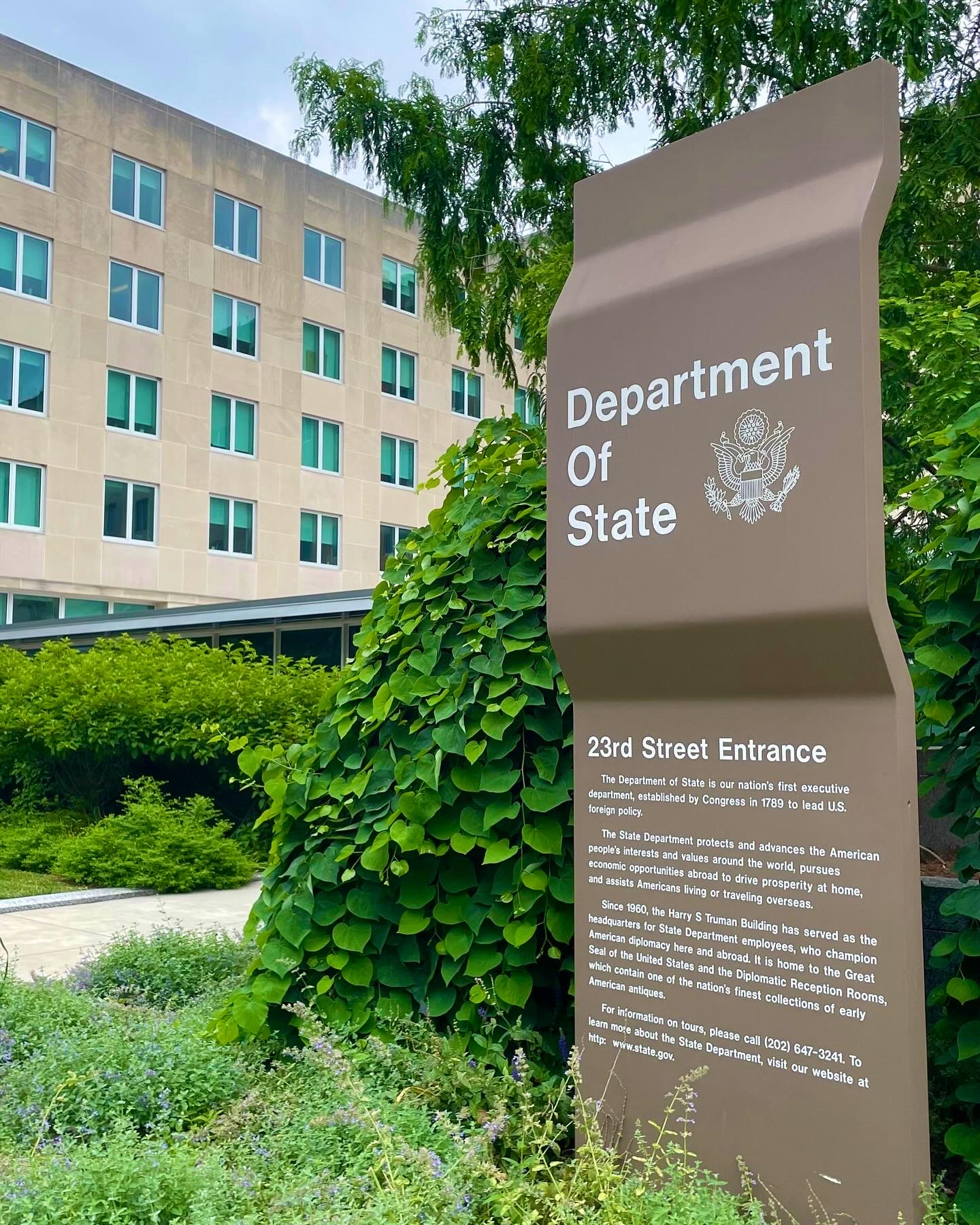
Lastly, the Coalition for Independent Technology Research filed a lawsuit against the U.S. Department of State over a policy that revokes and denies visas to noncitizens for their work in fact-checking, misinformation, and content moderation. The group argues that the policy violates the First Amendment and punishes independent researchers, stating that the Trump Administration is “using the threat of detention and deportation to suppress speech it disfavors.” On the other hand, the State Department contends that the policy is consistent with the Constitution because it removes individuals who will potentially harm the country’s interests. They also reason that receiving a visa is a privilege, not a right.



Daily News & Commentary
Start your day with our roundup of the latest labor developments. See all
October 27
Some California union locals defy their statewide leadership to back the state’s billionaire tax proposal; a Brown University technology center releases a map of the hidden global workforce behind AI; the National Women's Soccer League and its players union settle six grievances.
October 26
Harvard dining workers authorize strike; New York City bans horse carriages; Brooklyn nurses rally in support of colleague.
October 25
Dallas Cowboys Cheerleaders unionize; Bureau of Prisons again pushes for union contract cancellation; CSU faculty votes on strike authorization.
October 23
Employers increasingly shift health care costs onto workers and NYC proposes placing restrictions on fully automated customer service.
October 22
SCOTUS declines Wilcox appeal; Penn State research assistants win bargaining rights; SEIU sued over military leave firing.
October 21
DOL withdraws tipped-worker rule; Instacart settles hiring-bias claims; Phillips 66 locks out New Jersey refinery workers.