

Otto Barenberg is a student at Harvard Law School and the former Digital Director of OnLabor.
In today’s news and commentary, Massachusetts rideshare drivers prepare to unionize, and Starbucks and Nestlé supply chains use child labor, per a new report.
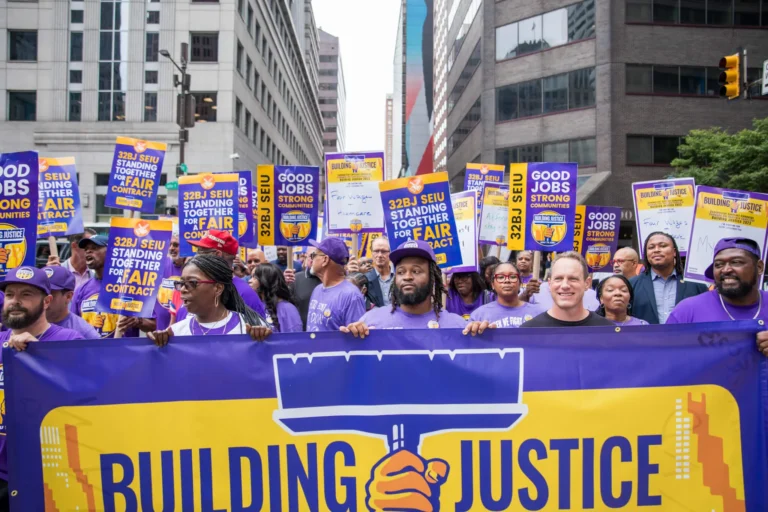
Uber and Lyft drivers across Massachusetts are laying the groundwork for a major union drive next month, when Ballot Question 3, which enshrined rideshare drivers’ right to unionize, becomes law. Dozens of drivers gathered outside the Department of Transportation Building last week to announce their support for the App Drivers Union, a new labor organization backed by the International Association of Machinists and 32BJ SEIU. The ballot question requires 25% of the state’s tens of thousands of active drivers to indicate their support — a threshold drivers are confident they’ll meet. Roxana Rivera, an organizer for 32BJ SEIU, estimated the nascent union already had “double” the support needed to win approval.
Three interlinked concerns have motivated drivers’ union push: compensation, insecurity, and safety. The rideshare companies take large and variable cuts out of each fare. “Inflation is high and car prices are high, but the amount we are making is less and less,” Bethlehem Tsegyae, an 11-year Uber and Lyft driver, told WGBH. Deactivations are another key concern. Uber and Lyft can restrict drivers from accessing the apps — the functional equivalent of firing — without warning, without explanation, and without an independent appeals process. Safety is a central issue, too — especially for non-male drivers. Yolanda Rodriguez, who works for Uber and Lyft, indicated she’d been “sexually harassed by customers [and] exposed to dangerous situations” on numerous occasions. “This job is hard as a woman, especially as a mother. It’s very important that we have a voice to make the companies listen to our needs. We need to be able to fight for stronger protections.”
Chinese farms in Starbucks’ and Nestlé’s supply chains use child labor and engage in other exploitative labor practices, a new report from China Labor Watch finds. Starbucks, Nestlé, and other major international buyers source coffee from large, certified farms in Yunnan province. But uncertified, unregulated “ghost farms” contribute a significant share of the certified farms’ beans. After several undercover investigations, the New York-based nonprofit found multiple instances of child labor and dangerous work conditions on ghost farms — reports the companies say they plan to investigate. In recent weeks, U.S. and European officials have moved to restrict access to Chinese products made with forced labor. The Biden Administration blacklisted 29 Chinese companies over alleged ties to forced labor camps in Xinjiang province, while the EU moved closer to a total ban on the sale of goods made with forced labor.


Daily News & Commentary
Start your day with our roundup of the latest labor developments. See all
September 20
Culinary Workers Union members protests union leadership; lawsuit against OpenAI and Microsoft reveal internal concerns about the threat of AI training to human labor.
September 17
Unions push to block Google from buying Spirit Airlines employment records; U.S. Department of Labor sues Oklahoma coffee chain over alleged wage violations.
September 16
Trump nominates Catherine Eschbach as EEOC general counsel; NLRB declines to resolve union work-assignment dispute; Allina Health physicians begin four-day strike.
September 15
Documents reveal the inner workings of Amazon's union avoidance program; Washington state public sector unions reach tentative deals amid a difficult bargaining cycle; hundreds of Nevada Culinary Union members protest their union's health care changes.
September 14
NCAA and Big Ten file motion to dismiss in former star player's NIL suit; Seventh Circuit rules against former postal worker in discrimination suit.
September 13
Documents released on the 25th anniversary of the 9/11 attacks show that city officials encouraged workers to return to Ground Zero despite knowing the risks of asbestos exposure, and new polls demonstrate continued widespread support for labor unions.