
Fred Wang is a student at Harvard Law School.
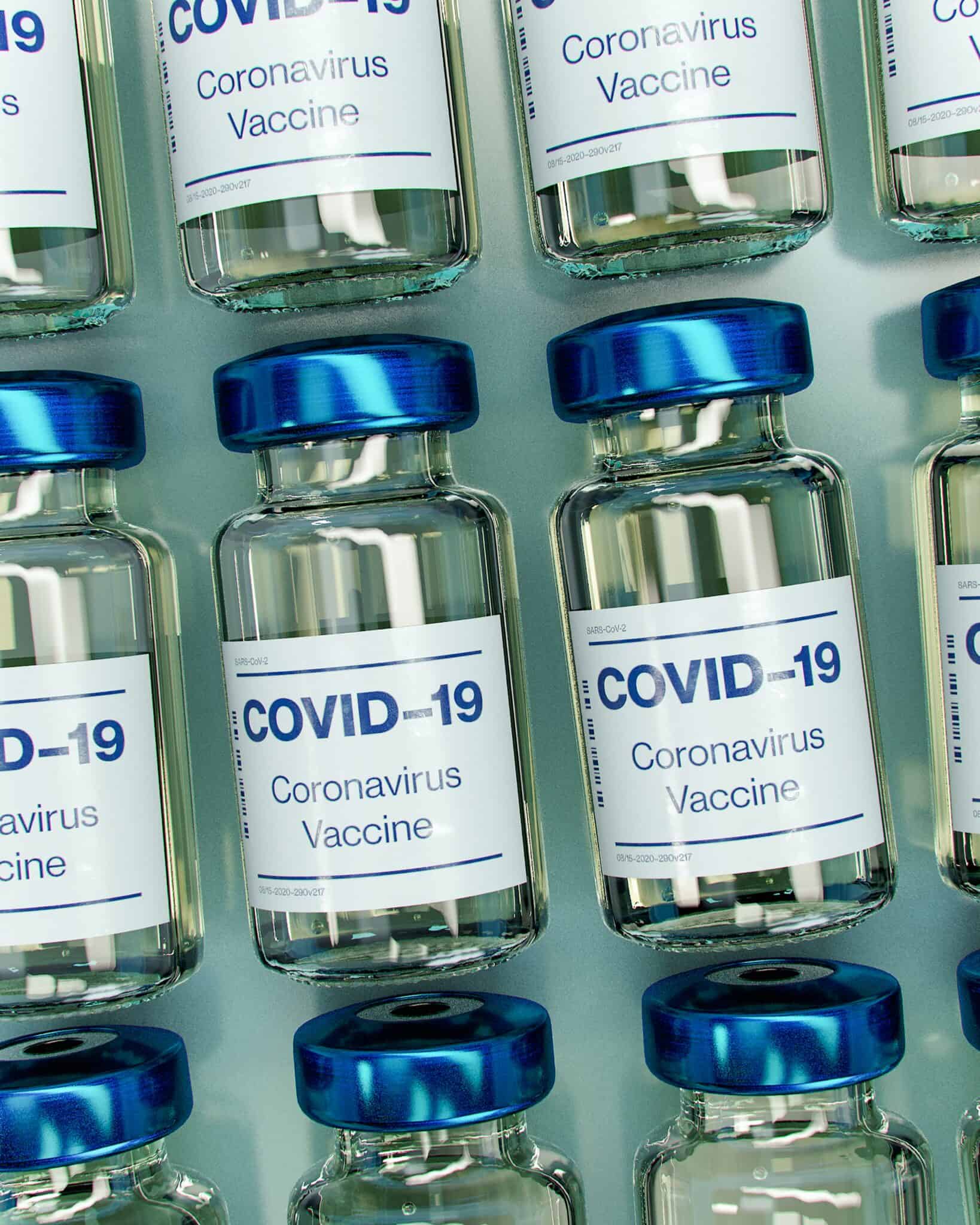
Employers are divided on company-level vaccination policy, according to a New York Times survey published last week. Although the vast majority of large corporations plan to require vaccinations for at least some workers, there remains meaningful variation in terms of what these vaccine requirements will look like. Some employers will allow regular testing as an alternative to vaccination. Many go “above and beyond” the federal vaccine-or-test requirements that the Supreme Court blocked last month. Some require booster doses; most do not. And some will defer to federal, state, or local mandates — and not enact their own requirements. The result is a patchwork system of vaccination requirements that can vary based on one’s occupation, employer, city, or state.
Employment-recovery prospects for leisure and hospitality workers remain dim, despite general labor market tightness, according to a recent piece in HuffPost. Job numbers in the food-service and accommodations industries are down from their pre-COVID-19 levels, leaving workers laid off at the start of the pandemic “waiting for callbacks they’re no longer sure will come.” This protracted recession is likely the result of depressed consumer demand: people are going out and traveling less because of COVID-19. But workers fear that employers may be using the pandemic as a reason to permanently slash services and labor costs.
Uber’s proposal to establish pooled-benefit programs is a “bad deal” for platform workers, Simon Archer and Josh Mandryk argue in Jacobin. In Canada, the ride-share company is encouraging the creation of pooled-benefit funds that would, in Uber’s words, “protect the flexibility of platform work, while providing additional benefits and protections to workers.” In effect, the proposal is a half-measure that Uber will likely use to stall employment law reforms classifying platform-work drivers as employees. As the authors point out, “Uber’s financial incentive in the portable benefits plan is obvious: it is less than half the cost of existing benefits to which employees are currently entitled.”



Daily News & Commentary
Start your day with our roundup of the latest labor developments. See all
October 2
Gov. Newsom signs bill regulating AI in workplace; federal judge blocks Trump's $100,000 H-1B visa fee.
October 1
Senate confirms Keith Sonderling as Labor Secretary; Amazon warehouse workers launch an unfair labor practice strike.
September 30
Harvard grad union wins in First Circuit; AI data trainers initiate misclassification suits; Trader Joe’s found liable under ERISA.
September 29
Unions, AI companies, and private equity firms form a new coalition to shape data center policies; unions express support for the Paramount-Warner Bros. merger.
September 28
The Protect College Sports Act nears passage in the Senate; San Francisco municipal workers agree to contract extensions.
September 27
The Trump Administration reaches a settlement with federal unions on reduction in force actions; the United Auto Workers file an en banc petition seeking review of a Second Circuit decision regarding labor arbitrations.