
Zachary Boullt is a student at Harvard Law School.
As Congress has allowed the $600 weekly unemployment bonus to lapse, some states are taking advantage of the CARES Act provision offering extended unemployment benefits for states suffering from high unemployment rates. Extended benefits in eligible states are offered to those that have exhausted their regular unemployment benefits and their Pandemic Emergency Unemployment Compensation assistance. Maryland and Delaware have extended their unemployment benefits by 13 weeks. New York has extended theirs by 20 weeks. Kansas is in talks to roll out an extension. Despite some state extensions, however, the end of the CARES Act benefits are causing drastic drops in people’s aid. The average American’s benefits will fall by 65%, and in extreme cases, like in Oklahoma, benefits can drop by as much as 93% to $44 a week.
The NLRB has overturned an administrative law judge and has held that a maritime company’s restrictions on moonlighting at a second job, strikes, slowdowns and walkouts are lawful. In its ruling, the NLRB further extended the 2017 Boeing test, which “weighs a workplace rule’s potential to interfere with workers’ labor law rights against the employer’s legitimate justifications for it.” This standard has recently been used by the NLRB to approve a broad swath of restrictive workplace policies and overturn ALJs striking down the policies.
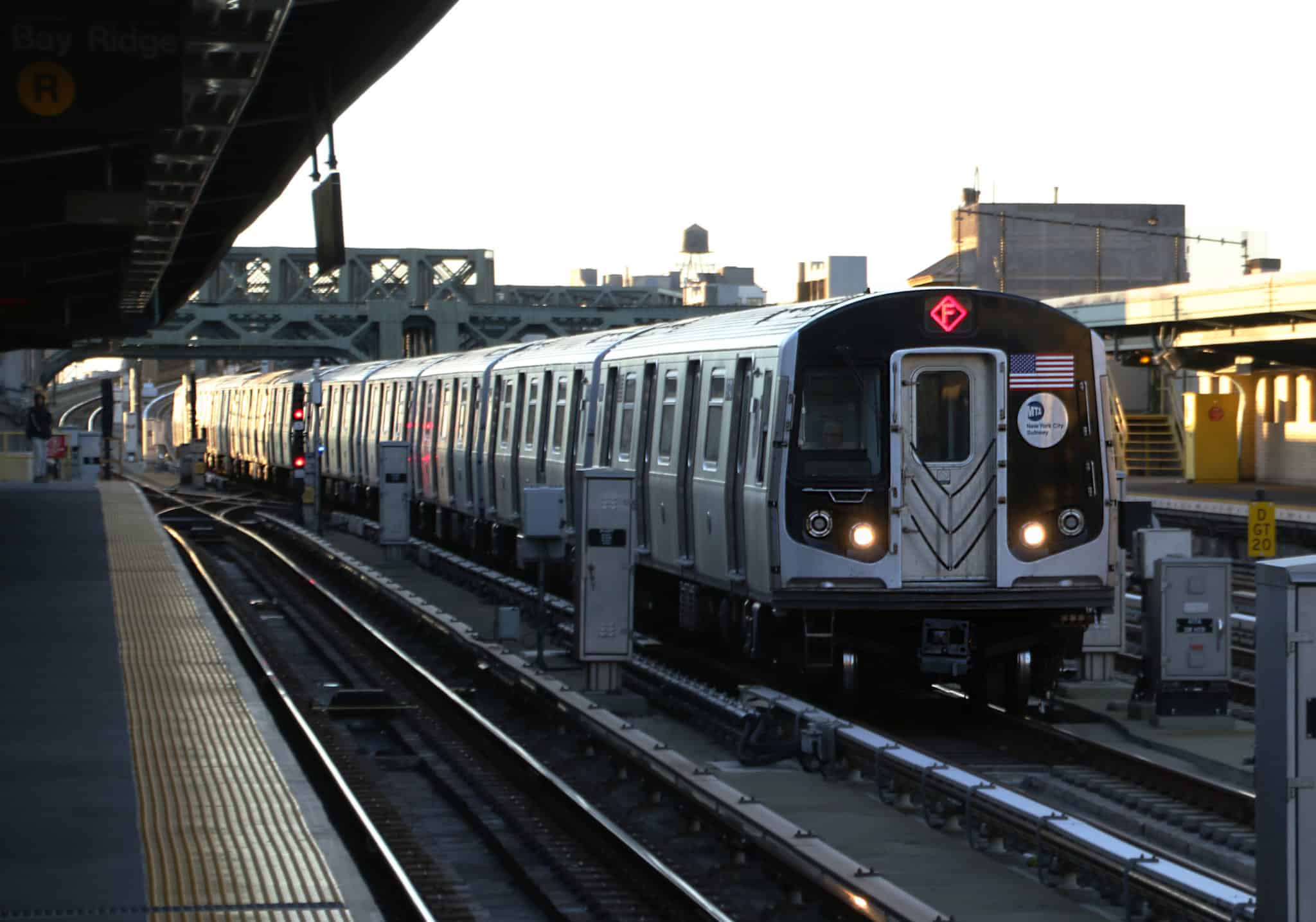
New York transit and labor unions, including the New York State AFL-CIO and SEIU, have formed a coalition to call for an additional four billion dollars in federal aid for the Metropolitan Transportation Authority. The unions have stated the MTA is in desperate need of funds to aid New York workers’ commutes as revenues and rides have fallen since the pandemic. The letter is in response to the Republican Senate proposal for the next pandemic aid package, which includes no public transit funding. The MTA was previously allocated four billion dollars and has already greatly exhausted those funds and expects to see a 16 billion dollar deficit over the next couple of years.
Thirteen airline industry unions are rallying for additional payroll funding after Mitch McConnell’s coronavirus aid package proposal did not include additional aid for airlines. While the unions and airline industry have made ground convincing Democrats, they are trying to use political arguments to sway Republicans, arguing that massive airline worker layoffs in the fall will harm Republican election prospects in November. Some airline leaders, such as Southwest Airlines CEO Gary Kelly, have also supported the aid extensions, but other airline executives have remained silent out of fear of the appearance of asking for bailouts. House Transportation Committee Chairman Peter DeFazio has said that if additional relief is not granted, the coming airline layoffs will eclipse previous furloughs in magnitude over the history of the industry.





Daily News & Commentary
Start your day with our roundup of the latest labor developments. See all
October 16
Department of Labor reduces wage-and-hour enforcement at unionized workplaces; Fain's victory poses question of federal monitor's extension.
October 15
New reporting examines the rollback of child labor protections; California tries to block a strike; NLRB charges Wisconsin mental health provider with firing workers during union drive.
October 14
Eleventh Circuit overturns ERISA exhaustion rule; DHS finalizes removal of automatic renewal for work permits; AFGE challenges SSA over flexible scheduling policy.
October 13
Chicago hotel workers remain on strike; a coalition of Democratic states sues the Labor Department over canceled unemployment insurance grants; the Federal Labor Relations Authority establishes a new mediation framework for federal worker disputes.
October 12
Workers at the Obama Foundation begin organizing; MLB submits its latest collective bargaining agreement proposal; Brigham & Women's nurses postpone strike.
October 11
UAW President Shawn Fain succeeds in his reelection bid, and Spanish unions call for a general strike.