
Alexandra Butler is a student at Harvard Law School.
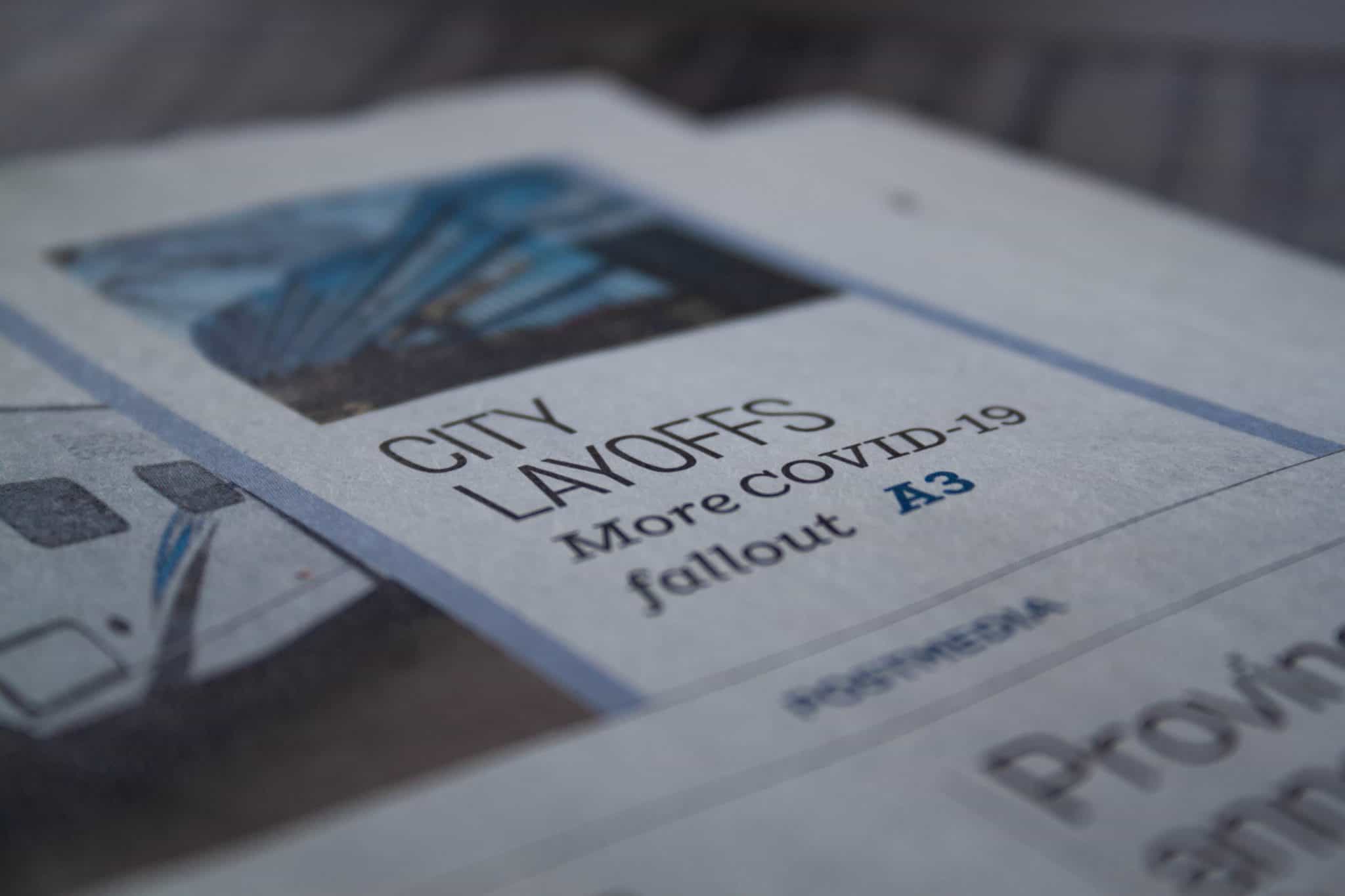
According to the Department of Labor (DOL), 1.5 million people filed for unemployment last week, bringing the total number of claimants since mid-March to over 44 million. While last week’s total marked a pandemic low, the New York Times notes that the figure only tells part of the story. First, the number does not account for those who did not qualify for unemployment benefits, nor those who never sought assistance. Second, the unemployment figure fails to fully capture a larger trend of economic uncertainty, with many noting that COV-ID 19 could have long-term impacts on payrolls and job availability across several sectors.
As the country continues to grapple with how to address mass unemployment resulting from the pandemic, many are turning the spotlight on its disproportionate effects on the black community. Some leaders believe that the Federal Reserve has a role to play, proposing that it more actively focus its efforts on decreasing the black unemployment rate, as it aims “to get the nation to full employment.” For example, according to the New York Times, the black unemployment rate was 16.7%, while the white unemployment rate was 14.2% in April. The Washington Post reports that, in the past, the Federal Reserve has been relatively silent on this issue, often making decisions about the economy without fully considering black unemployment or unemployment among other marginalized groups. Moving forward, correcting this oversight is crucial to help ensure racial equality.
Conversations about how to finally achieve an anti-racist society have highlighted the continued discrimination that black employees face in corporate workplaces. Over the past couple of days, companies such as Adidas, Refinery 29 and the Wing Women’s Club have been confronted with the reality that their work environments are not as inclusive as they appear, with many black employees revealing lack of diversity, pay disparities and problematic work cultures.
After the DC Circuit issued a ruling denying a petition for a writ of mandamus, the Occupational Safety and Health Administration (OSHA) will not be required to issue an emergency temporary standard (ETS) related to COV-ID 19. The ETS would have been OSHA’s first mandatory, pandemic-related regulation, assigning liability to employers who failed to fulfill affirmative duties regarding COV-ID 19 and worker safety. The Court cited “the unprecedented nature of the . . . pandemic, as well as . . . [OSHA’s available] regulatory tools” as sufficient reasons to deny the petition brought by the AFL-CIO in May. Yet, many argue that these “regulatory tools” are ineffective, with NPR highlighting how some workplaces, such as a Tyson Foods meat processing facility in Georgia, are being selective in following OSHA recommended guidelines.
Negotiations between the Screen Actors Guild (SAG-AFTRA) and the Alliance of Motion Picture and Television Producers (AMPTP) have resulted in a potential new labor contract for SAG-AFTRA members. Subject to national review and member approval, the contract could provide performers with increased wages and better-funded health care. According to SAG-AFTRA President Gabrielle Carteris, the contract is “one of the most meaningful packages . . . [SAG-AFTRA has] ever secured.” The three-year contract has a value of about $318 million.



Daily News & Commentary
Start your day with our roundup of the latest labor developments. See all
October 27
Some California union locals defy their statewide leadership to back the state’s billionaire tax proposal; a Brown University technology center releases a map of the hidden global workforce behind AI; the National Women's Soccer League and its players union settle six grievances.
October 26
Harvard dining workers authorize strike; New York City bans horse carriages; Brooklyn nurses rally in support of colleague.
October 25
Dallas Cowboys Cheerleaders unionize; Bureau of Prisons again pushes for union contract cancellation; CSU faculty votes on strike authorization.
October 23
Employers increasingly shift health care costs onto workers and NYC proposes placing restrictions on fully automated customer service.
October 22
SCOTUS declines Wilcox appeal; Penn State research assistants win bargaining rights; SEIU sued over military leave firing.
October 21
DOL withdraws tipped-worker rule; Instacart settles hiring-bias claims; Phillips 66 locks out New Jersey refinery workers.