
Alisha Jarwala is a student at Harvard Law School and a member of the Labor and Employment Lab.
The New York Times reports that the American Federation of Musicians and Employers’ Pension Fund—the largest musicians’ pension plan in the United States—is seeking to cut benefits that have already been earned by thousands of musicians to prevent the plan from running out of money. The plan covers over 50,000 people, including Broadway musicians, orchestra players, and recording artists. Plan officials wrote in an email to participants that without a reduction in benefits, the plan would run out of money entirely in 20 years, which would mean even lower benefits for retirees from the Pension Benefit Guaranty Corporation than currently proposed.
A new campaign spearheaded by the Communications Workers of America is seeking to unionize workers at video game studios. The Los Angeles Times reports that the initiative, called the Campaign to Organize Digital Employees (CODE), grew out of conversations between CWA and grassroots groups who have pushed since 2018 to unionize the $43 billion dollar video game industry. CWA organizer Emma Kinema, hired to lead the push, told the Times that in her experience in the game industry, “people are very bottlenecked by the lack of resources and lack of legal know-how and a lack of funding . . . [but] decades of experience and resources that come from partnering with an organization like CWA can take it to the next level.”
Employees at the Environmental Protection Agency are calling for a “bill of rights” to protect the agency’s scientific integrity. HuffPost reports that employees have demanded that the agency leadership not interfere politically with enforcement duties or research, and are also demanding an increased budget and a new union contract. The American Federation of Government Employees, a union representing 7,500 EPA workers, will start negotiating a new contract this week. AFGE says that 90% of the EPA workers it represents do not trust the agency to bargain in good faith.
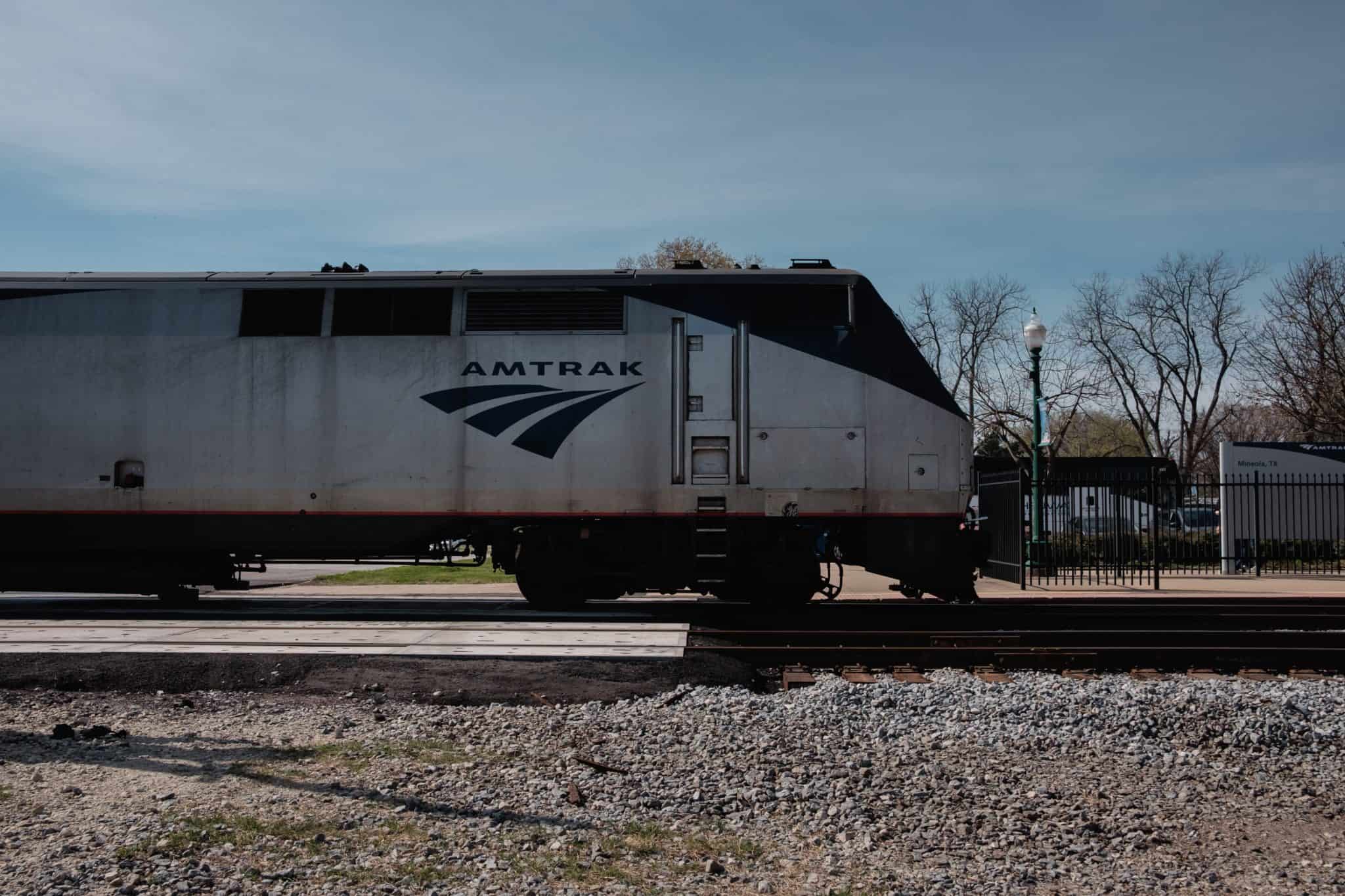
Finally, a lawsuit filed against Amtrak argues that the railway company’s mandatory arbitration clause is unconstitutional. Amtrak’s policy prevents passengers and family members from suing if injured or killed in a railroad crash. Lawyers at Public Citizen, who brought the case, have alleged that Amtrak’s arbitration clause forces passengers to give up their First Amendment right to go to court, forces passengers to enter a private arbitration system without constitutional protections, and threatens the integrity of the judicial branch.




Daily News & Commentary
Start your day with our roundup of the latest labor developments. See all
October 23
Employers increasingly shift health care costs onto workers and NYC proposes placing restrictions on fully automated customer service.
October 22
SCOTUS declines Wilcox appeal; Penn State research assistants win bargaining rights; SEIU sued over military leave firing.
October 21
DOL withdraws tipped-worker rule; Instacart settles hiring-bias claims; Phillips 66 locks out New Jersey refinery workers.
October 20
Korean unions oppose labor exemption bill; Portland city workers prepare for strike; UPenn grad student union looks to dismiss university filing
October 19
FDA reverses course on policy prohibiting off-duty union activity; FAA and NATCA reach deal to secure pay increase for air traffic controllers.
October 18
Federal judge again halts cancellation of the Bureau of Prisons’ CBA; tabletop gaming workers face roadblocks in union recognition.