Ajayan Williamson is a student at Harvard Law School.
In today’s news and commentary, California’s rideshare deal moves to the Governor’s desk; Boeing reaches a tentative deal with striking workers; and the FTC steps up scrutiny of noncompete agreements in the healthcare industry.
On Tuesday, the California state legislature passed a bill enabling Uber and Lyft drivers to unionize. Governor Gavin Newsom said last month that he would sign the bill; once he does, California will become the second state (following Massachusetts) to allow unions for rideshare workers. However, as Finlay wrote last month, lawmakers secured support for the bill by packaging it with SB 371, a companion bill that greatly reduces the amount of insurance coverage the companies are required to provide. Moreover, the companies aren’t likely to play nice with a potential union: As CalMatters reports, an Uber spokesperson refused to say whether the company would bargain in good faith if drivers unionized.
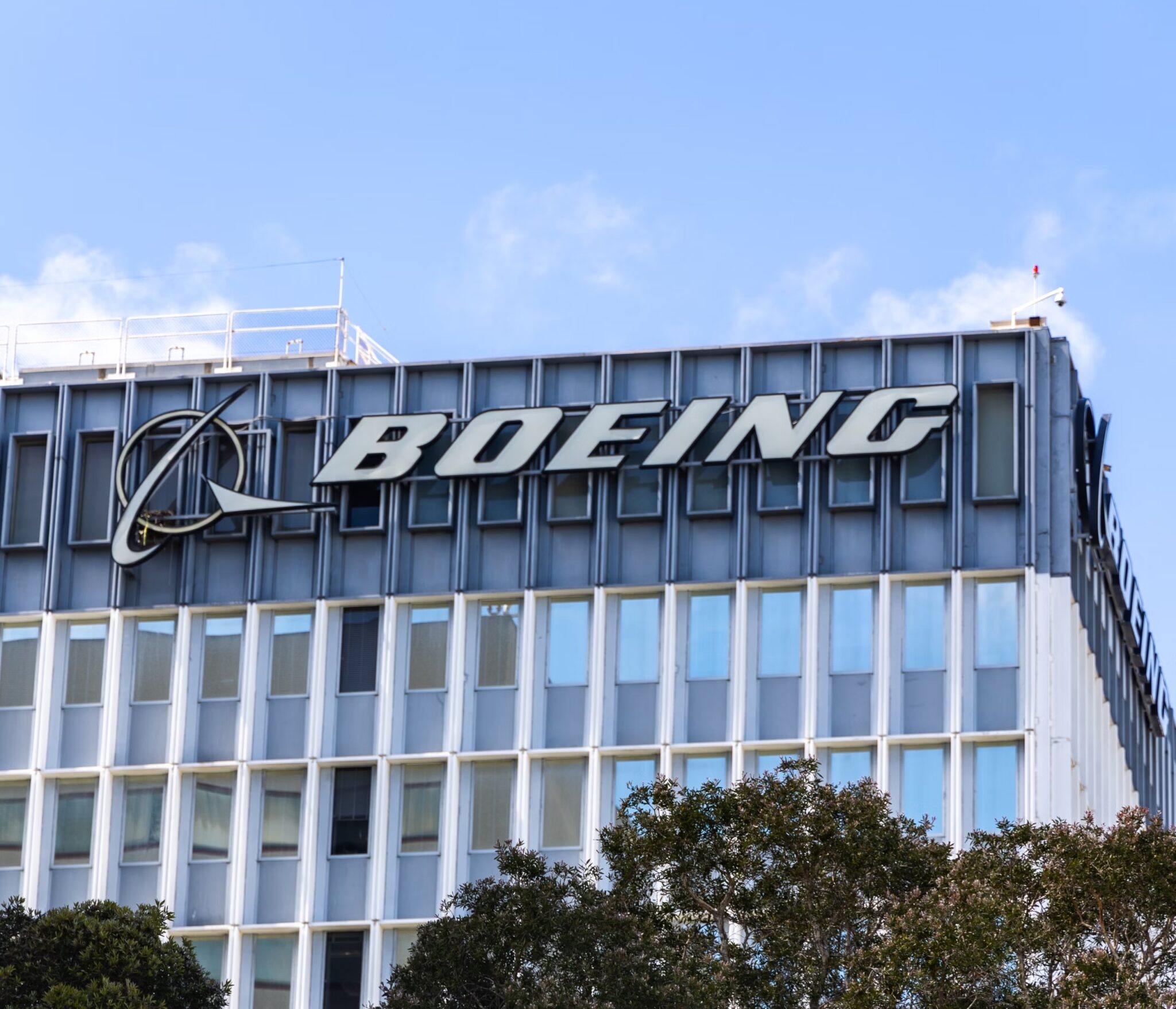
Yesterday, Boeing reached a tentative agreement with the International Association of Machinists and Aerospace Workers, potentially ending a strike that has lasted since the beginning of August. The strike began after the union rejected a proposed agreement from Boeing; the deal follows Boeing’s announcement that it would begin hiring permanent replacements for striking workers. The company says that the new proposal would raise wages by an average of 45%, and the deal restores a signing bonus that had become a point of contention. However, the deal still needs to be approved in a vote that will take place tomorrow, and some striking workers have signaled ambivalence towards the terms of the agreement.
Finally, letters released yesterday show that the FTC is increasing scrutiny of noncompete agreements in the healthcare industry. The letters were sent to an undisclosed set of healthcare providers, and they noted the agency’s statutory authority to investigate unfair methods of competition, including noncompetes. The agency encouraged the companies to review their agreements “to ensure that they comply with applicable laws.” Though the FTC announced last week that it was vacating the Biden administration’s blanket ban on noncompete agreements nationwide, Chairman Andrew Ferguson has indicated his opposition to these agreements under certain circumstances: this week’s move might be an example of what the administration’s policy will look like going forward.





Daily News & Commentary
Start your day with our roundup of the latest labor developments. See all
October 19
FDA reverses course on policy prohibiting off-duty union activity; FAA and NATCA reach deal to secure pay increase for air traffic controllers.
October 18
Federal judge again halts cancellation of the Bureau of Prisons’ CBA; tabletop gaming workers face roadblocks in union recognition.
October 16
Department of Labor reduces wage-and-hour enforcement at unionized workplaces; Fain's victory poses question of federal monitor's extension.
October 15
New reporting examines the rollback of child labor protections; California tries to block a strike; NLRB charges Wisconsin mental health provider with firing workers during union drive.
October 14
Eleventh Circuit overturns ERISA exhaustion rule; DHS finalizes removal of automatic renewal for work permits; AFGE challenges SSA over flexible scheduling policy.
October 13
Chicago hotel workers remain on strike; a coalition of Democratic states sues the Labor Department over canceled unemployment insurance grants; the Federal Labor Relations Authority establishes a new mediation framework for federal worker disputes.