
Ajayan Williamson is a student at Harvard Law School.
In today’s news and commentary, groups file suit against the EEOC over transgender policy; railroad union announces opposition to a major railroad merger; and lawsuits challenging the NLRB’s constitutionality slow down.
On Tuesday, the saga of the EEOC’s nonenforcement of protections for transgender workers continued as a group of organizations filed a lawsuit against the agency. The National Women’s Law Center and Democracy Forward filed the suit on behalf of FreeState Justice, an LGBTQ legal services organization in Maryland. They allege that what they call the EEOC’s “Trans Exclusion Policy” violates Title VII, the Equal Protection clause of the Fifth Amendment, and the Administrative Procedure Act. The suit also appears to seek relief in the form of an APA vacatur and a universal injunction, teeing up a very live issue in the aftermath of Trump v. CASA.
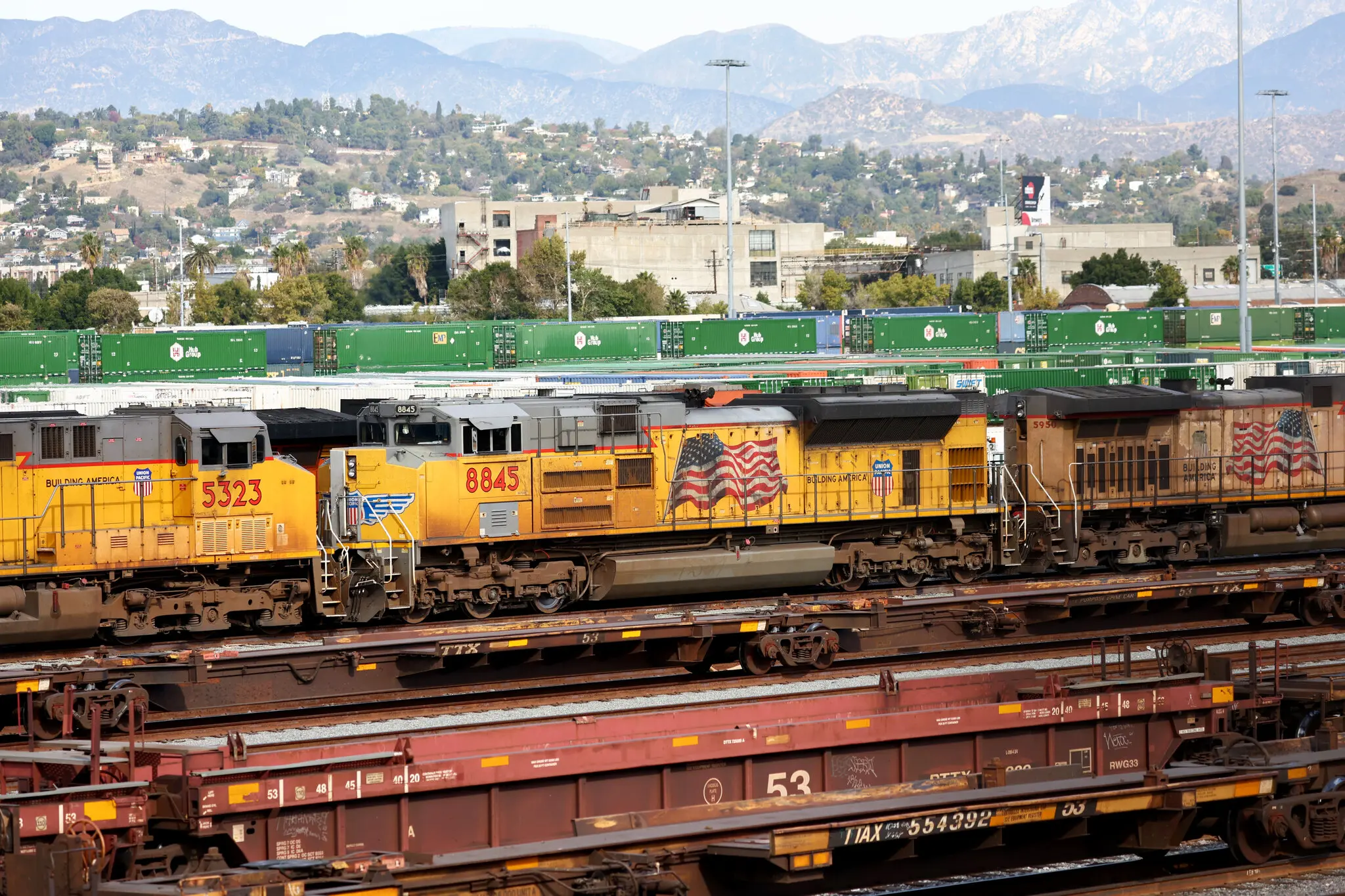
Meanwhile, two of the largest railroads in the United States announced an $85 billion merger — and the nation’s largest railroad worker’s union announced their opposition. Union Pacific, a railroad operating in the western United States, reached an agreement to acquire Norfolk Southern, which largely operates in the east. But the Sheet Metal, Air, Rail and Transportation Workers Union’s Transportation Division (SMART-TD) issued a statement criticizing the deal, contrasting Union Pacific’s “troubling safety record” and “excessive levels” of retaliatory behavior with Norfolk Southern’s “progressive labor and operational policies.” Other transportation unions are remaining neutral for now: the Teamsters Rail Conference, which represents 70,000 rail workers, said it would “withhold further comment” until it could meet with the railroads’ leadership. The merger will require approval from the Surface Transportation Board, and SMART-TD plans to oppose the merger when it comes before the Board.
Finally, Bloomberg Law reported today that the flurry of lawsuits challenging the constitutionality of the NLRB has largely stalled: though 30 such suits have been filed since 2023, only one of those was filed since February of this year. There could be multiple causes for this change: almost all of these suits have challenged the NLRB’s removal protections, which litigants might safely assume are on their way out (especially after last week’s order reaffirming the Court’s skepticism of Humphrey’s Executor). However, Bloomberg Law reports that half of the suits also raised a Seventh Amendment challenge to the NLRB’s administrative adjudication processes, an extension of the Court’s decision in SEC v. Jarkesy where the trajectory of the law is, at minimum, less clear. Perhaps the most obvious explanation isn’t doctrinal at all: without a quorum authorizing the NLRB to take action, the challengers might no longer feel the need to wield constitutionality as a shield against labor law enforcement.





Daily News & Commentary
Start your day with our roundup of the latest labor developments. See all
October 8
NLRB judge finds UPS unlawfully restricted union insignia; Harvard graduate workers authorize second strike; OSHA orders Union Pacific to pay $300,000 in damages in whistleblower case.
October 7
DOL scraps plan to remove decades-old wage-and-hour guidance from federal regulations; New York enacts personnel records access law; Starbucks loses bid to dismiss Workers United trademark suit.
October 6
Protect College Sports Act dampens athlete unionization outlook; Stanford RA union decides to withdraw petition
October 5
Delaware bans captive audience meetings; EEOC settles remote work national origin discrimination claim; First Circuit stays enforcement order in VA's dispute with AFGE.
October 4
Boston nurses announce open-ended strike; federal judge restores federal prison workers' union protections; St. Louis workers form the first movie theater union in Missouri.
October 2
Gov. Newsom signs bill regulating AI in workplace; federal judge blocks Trump's $100,000 H-1B visa fee.