
Esther Ritchin is a student at Harvard Law School.
In today’s news, the holiday season strikes against Amazon and Starbucks both conclude, and Amazon mandates a full-time return to office for its corporate employees.
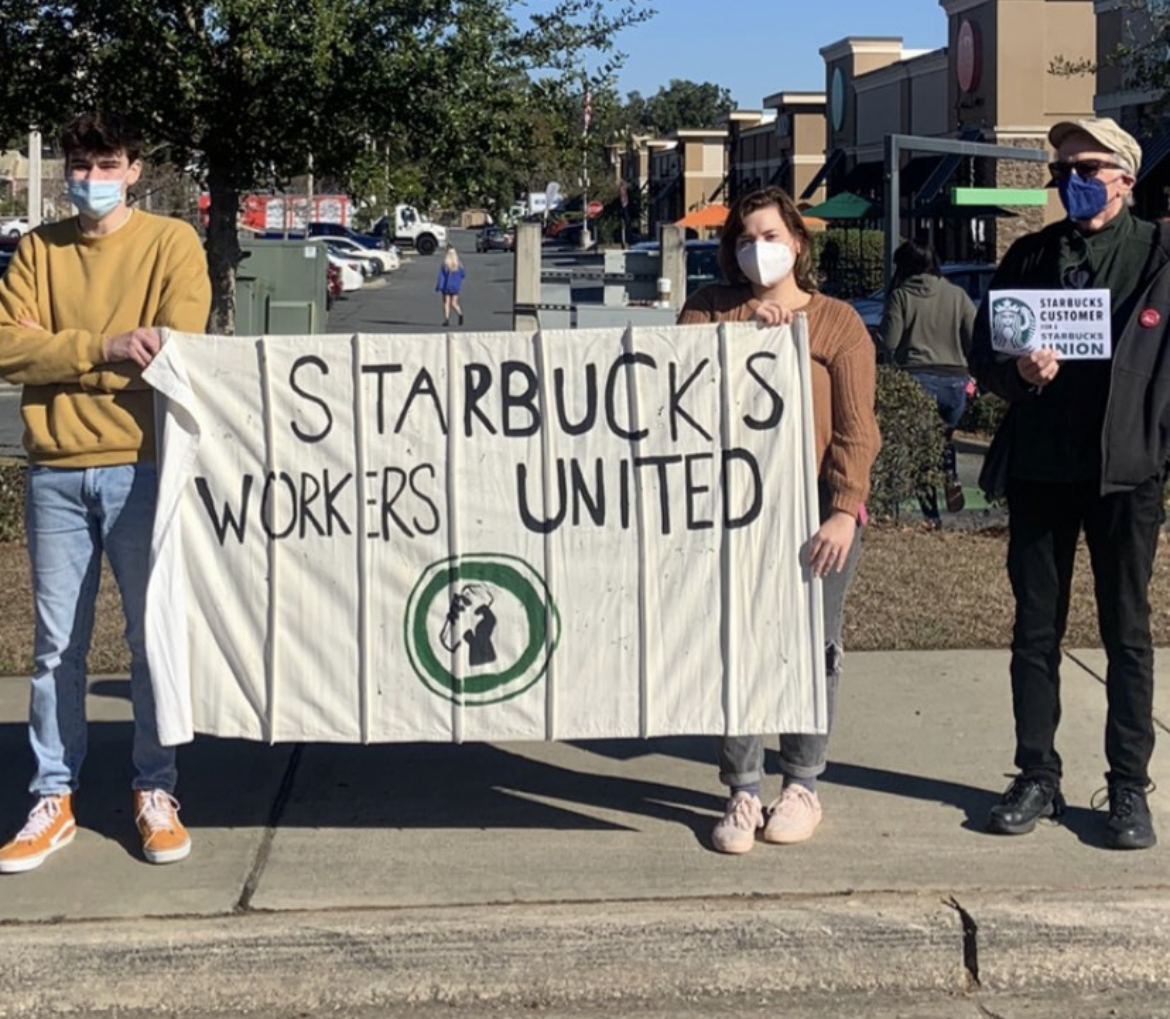
The strike against Amazon, held at warehouses in the five days leading up to Christmas Eve, ended as scheduled. The strike was officially held at nine different warehouses, but there were protests and demonstrations at at least 200 locations throughout the strike period. While the strike has concluded, the Teamsters “will never let up and workers will never stop fighting for their rights at Amazon.” The complaints that brought workers to strike, including safety violations and unjust pay, continue. Starbucks workers also concluded their strike as scheduled at the end of the holiday season.
In related news, yesterday, the first workday of the new year, marked Amazon’s new mandatory return-to-office policy, five days a week, for its corporate employees. Many employees are frustrated by the policy, especially after inconsistent messaging from leadership on remote work and rumors of Amazon using this policy as a way to lower their number of corporate employees without having to lay people off.




Daily News & Commentary
Start your day with our roundup of the latest labor developments. See all
October 20
Korean unions oppose labor exemption bill; Portland city workers prepare for strike; UPenn grad student union looks to dismiss university filing
October 19
FDA reverses course on policy prohibiting off-duty union activity; FAA and NATCA reach deal to secure pay increase for air traffic controllers.
October 18
Federal judge again halts cancellation of the Bureau of Prisons’ CBA; tabletop gaming workers face roadblocks in union recognition.
October 16
Department of Labor reduces wage-and-hour enforcement at unionized workplaces; Fain's victory poses question of federal monitor's extension.
October 15
New reporting examines the rollback of child labor protections; California tries to block a strike; NLRB charges Wisconsin mental health provider with firing workers during union drive.
October 14
Eleventh Circuit overturns ERISA exhaustion rule; DHS finalizes removal of automatic renewal for work permits; AFGE challenges SSA over flexible scheduling policy.