
Esther Ritchin is a student at Harvard Law School.
In today’s news and commentary, Wyoming bans non-compete agreements, rideshare drivers demonstrate to recoup stolen wages, and Hollywood trade group names a new president.
Starting July 1, employers will no longer be able to force Wyoming employees to sign non-compete agreements. A bill banning the practice passed the Wyoming legislature this past session, with legislators citing the burden of noncompete agreements on employees, agreements which often force employees to relocate entirely or abandon their chosen professional field. The bill does contain carve outs for executive and management personnel, and does not change the prohibition on revealing trade secrets.
On Wednesday, March 26, rideshare drivers held demonstrations throughout California pushing for a settlement of their wage theft claims. The negotiations involve the California labor commissioner, the state attorney general, city attorneys of Los Angeles, San Diego and San Francisco, and the rideshare giants. The negotiations are the result of more than 5,000 claims filed by rideshare drivers with the California labor commission office in 2020 alleging that they were misclassified as independent contractors, and denied wages and benefits due to them as employees.
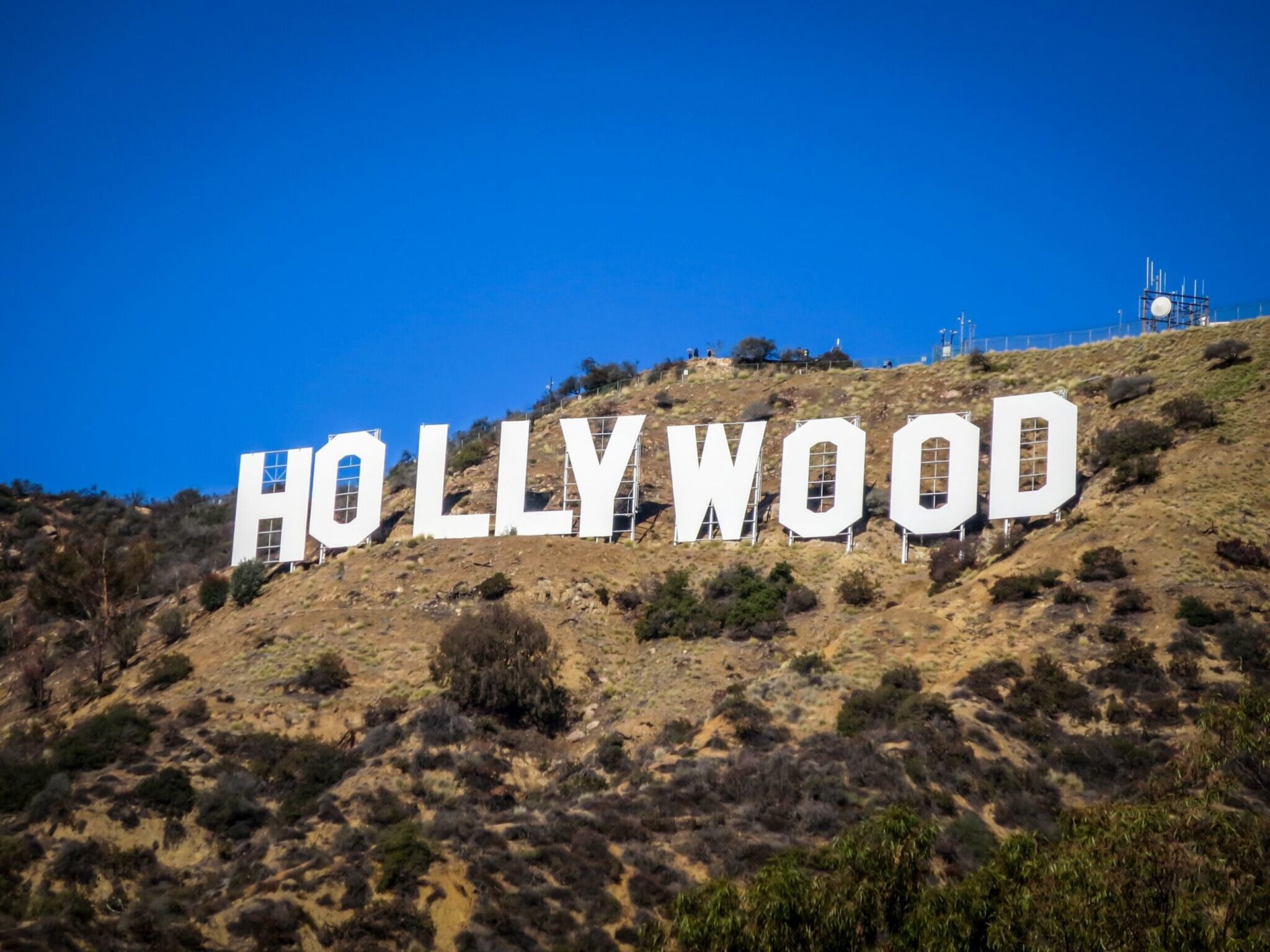
The Alliance of Motion Picture and Television Producers, the trade group that heads labor negotiations on behalf of major Hollywood studios and streaming companies, has appointed Greg Hessinger its new president. This appointment comes in the wake of strikes that effectively paused the industry’s functioning two years ago. Hessinger has worked on both sides of the table, including as the director of labor relations at CBS, executive director of the American Federation of Television and Radio Artists (AFTRA), later, for six months, as national executive director of the Screen Actors Guild, and then as a law firm attorney defending corporate clients against unions.




Daily News & Commentary
Start your day with our roundup of the latest labor developments. See all
October 14
Eleventh Circuit overturns ERISA exhaustion rule; DHS finalizes removal of automatic renewal for work permits; AFGE challenges SSA over flexible scheduling policy.
October 13
Chicago hotel workers remain on strike; a coalition of Democratic states sues the Labor Department over canceled unemployment insurance grants; the Federal Labor Relations Authority establishes a new mediation framework for federal worker disputes.
October 12
Workers at the Obama Foundation begin organizing; MLB submits its latest collective bargaining agreement proposal; Brigham & Women's nurses postpone strike.
October 11
UAW President Shawn Fain succeeds in his reelection bid, and Spanish unions call for a general strike.
October 9
DHS proposes a $100k fee for the foreign grad employment program; Trump suspends tech company access to green card program; and private equity perpetuates poor working conditions for home care workers.
October 8
NLRB judge finds UPS unlawfully restricted union insignia; Harvard graduate workers authorize second strike; OSHA orders Union Pacific to pay $300,000 in damages in whistleblower case.