
Liana Wang is a student at Harvard Law School.
In today’s news and commentary, the Second Circuit rejects a constitutional challenge to the NLRB, pharmacy and lab technicians join a California healthcare strike, and the EEOC defends a single better-paid worker standard in Equal Pay Act suits.
In 2023, Care One sued the NLRB, seeking a preliminary injunction to halt ULP proceedings concerning Care One’s alleged illegal lockout of its employees. Care One argued that the administrative law judge then on the case – ALJ Kenneth Chu – was both improperly appointed and unconstitutionally insulated from presidential control. On Thursday, however, the Second Circuit affirmed denial of the preliminary injunction. The court declined to address the constitutional argument, instead holding that Care One could not show likely irreparable harm because ALJ Chu had retired. The court also declined to presume irreparable harm from alleged constitutional violations, reasoning that officials protected by removal provisions only cause harm when they are incentivized to act in ways they otherwise wouldn’t have.
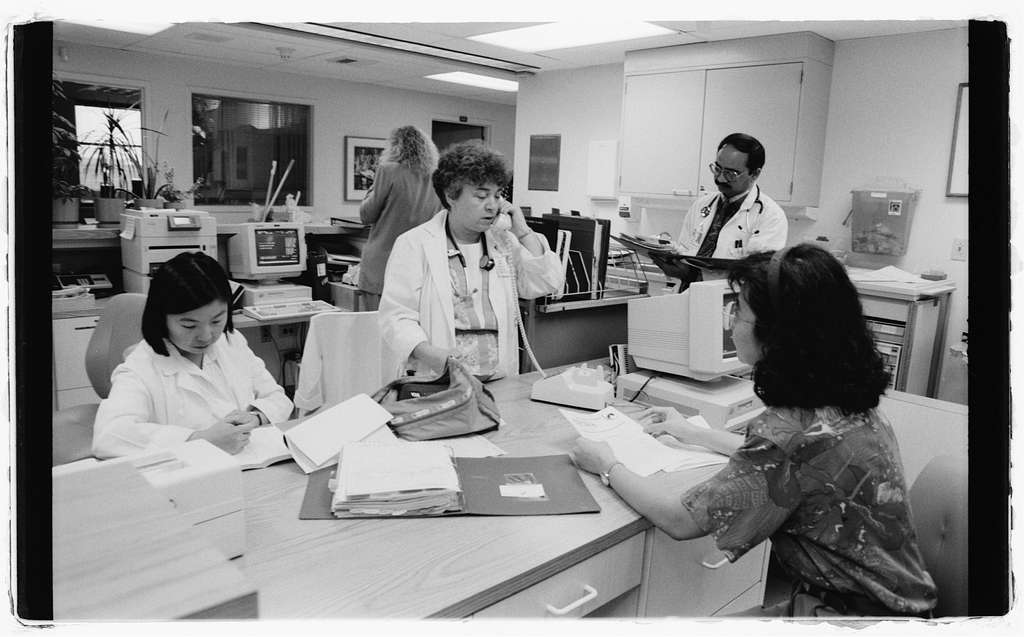
In California, unions representing pharmacy and lab workers at Kaiser Permanente are set to join an ongoing strike by nurses and other health workers. United Food and Commercial Workers notified Kaiser of an expected strike by its 3,000 members beginning on February 9. UFCW members, as well as unions representing the other striking healthcare workers, have alleged that Kaiser violated the NLRA when it walked away from the bargaining table. The strike comes amidst ongoing labor disputes elsewhere in the healthcare industry, including a massive strike by 15,000 nurses in New York City last month.
Meanwhile, the EEOC has continued to advocate for a single better-paid worker standard when it comes to Equal Pay Act violations. In a case in the Third Circuit, the EEOC supported two Pennsylvania teachers seeking to uphold their jury wins for sex-based pay discrimination. The EEOC argued that plaintiffs do not need to prove that men as a class of employees are paid more than women as a class. Instead, the agency argued that the Equal Pay Act only requires that the female plaintiffs point to one better-paid man performing substantially similar work. In 2023, the EEOC made similar arguments in support of the single comparator standard in a case in the Second Circuit. Multiple other circuits have adopted the same position as the agency.



Daily News & Commentary
Start your day with our roundup of the latest labor developments. See all
October 26
Harvard dining workers authorize strike; New York City bans horse carriages; Brooklyn nurses rally in support of colleague.
October 25
Dallas Cowboys Cheerleaders unionize; Bureau of Prisons again pushes for union contract cancellation; CSU faculty votes on strike authorization.
October 23
Employers increasingly shift health care costs onto workers and NYC proposes placing restrictions on fully automated customer service.
October 22
SCOTUS declines Wilcox appeal; Penn State research assistants win bargaining rights; SEIU sued over military leave firing.
October 21
DOL withdraws tipped-worker rule; Instacart settles hiring-bias claims; Phillips 66 locks out New Jersey refinery workers.
October 20
Korean unions oppose labor exemption bill; Portland city workers prepare for strike; UPenn grad student union looks to dismiss university filing