
Ryan Zhang is a student at Harvard Law School and a member of the Labor and Employment Lab.
In today’s News and Commentary, a federal judge vacates fixed time limits on international students and exchange visitors, the Labor Department proposes a new route for disqualified asset managers to retain QPAM status, and the Supreme Court leaves an NLRB bargaining order against Nexstar intact.
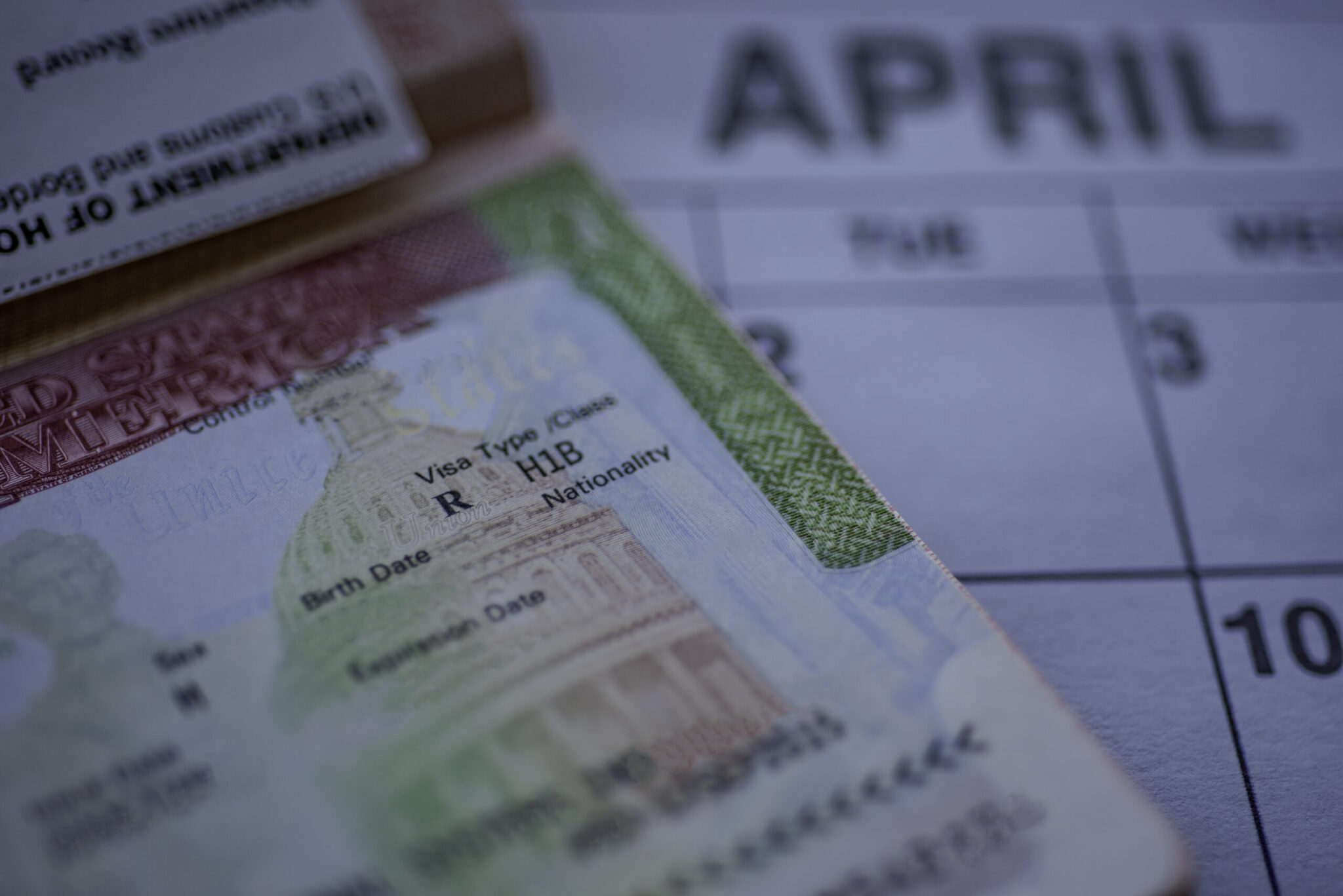
A federal judge vacated a Department of Homeland Security rule that would have imposed limits on how long many international students, exchange visitors, and foreign journalists could remain in the United States. The rule generally would have limited F and J visa holders to four-year stays and required them to seek extensions from the government. Foreign journalists holding I visas would have been admitted for periods of up to 240 days. U.S. District Judge F. Dennis Saylor IV concluded that DHS had acted arbitrarily and capriciously by inadequately assessing the rule’s costs, failing to justify it with evidence of fraud or national-security risks, and insufficiently considering less burdensome alternatives. He also found that restricting students’ ability to complete lengthy academic programs was inconsistent with the governing immigration statute. The ruling preserves the existing “duration of status” system, under which students and exchange visitors generally may remain while they continue complying with the conditions of their programs.
The Department of Labor proposed a class exemption that would allow certain asset managers to retain their status as qualified professional asset managers (QPAMs) after a disqualifying event. QPAM status allows investment managers to conduct many routine transactions for retirement plans and IRAs that federal benefits law would otherwise prohibit. A manager can lose eligibility for ten years if it or certain affiliated companies engage in specified crimes or misconduct. Currently, a disqualified manager that wants to continue serving as a QPAM must obtain an individual exemption from the Labor Department. Under the proposal, eligible managers could instead rely on the new class exemption by satisfying predetermined safeguards, without waiting for individual approval. All participating managers would have to notify clients and establish compliance policies and employee training. Managers more closely connected to the wrongdoing would face additional requirements, including independent audits and a designated compliance officer.
The Supreme Court declined to hear Nexstar Media’s challenge to an NLRB order requiring the company to bargain with a union representing employees at its WROC-TV station in Rochester, New York. The NLRB found that the station’s news, digital-content, and creative-services producers were employees eligible to unionize, not supervisors excluded from the National Labor Relations Act’s protections. The Board concluded that the producers did not assign work using independent judgment or bear responsibility for other employees’ performance. After Nexstar refused to bargain with the certified union, the Board ordered it to do so. The Second Circuit enforced that order, treating the producers’ supervisory status as a factual question and finding that substantial evidence supported the Board’s determination. Nexstar argued that this approach was inconsistent with the Supreme Court’s decision in Loper Bright, which rejected judicial deference to agencies’ interpretations of ambiguous statutes. By denying review, the Supreme Court left the bargaining order in place but did not decide how Loper Bright affects judicial review of NLRB decisions.




Daily News & Commentary
Start your day with our roundup of the latest labor developments. See all
November 19
Harvard academic workers end strike without contract; Reuters journalists authorize a strike; Spirit Airlines’ sale of employee data to Google for AI training approved.
November 18
Judge vacates foreign-student visa limits; DOL proposes QPAM relief; Supreme Court declines Nexstar appeal.
November 17
Amazon workers in Canada win company's first union contract in North America; NY law gives employees access to personnel records; D.C. Circuit looks to overturn Trump joint employer rule
November 16
FMCSA ordered to disburse $73 million in withheld highway funds to New York; Department of Labor final rule regarding large union financial disclosures issued six years after initial withdrawal is upheld; Department of Labor issues enforcement alert for physician ghost networks maintained by health plans.
November 15
Unions oppose Chuck Schumer for Senate Majority Leader; Rockstar staff vote on unionization ahead of Grand Theft Auto VI’s release; New Jersey Education Association faces federal investigation.
November 12
Harvard graduate students go on strike; New York city mayor prepares to negotiate with the city's largest public union; the Trump administration proposes stringent rules for workers seeking benefits.