
Lara Weinberg is a student at Harvard Law School.
In today’s news and commentary, employers and unions clash over a potential change to Canada’s federal labor code, Harvard’s Center for Labor and a Just Economy releases model state sectoral bargaining laws, and New Jersey sues Amazon for violation of antitrust laws.
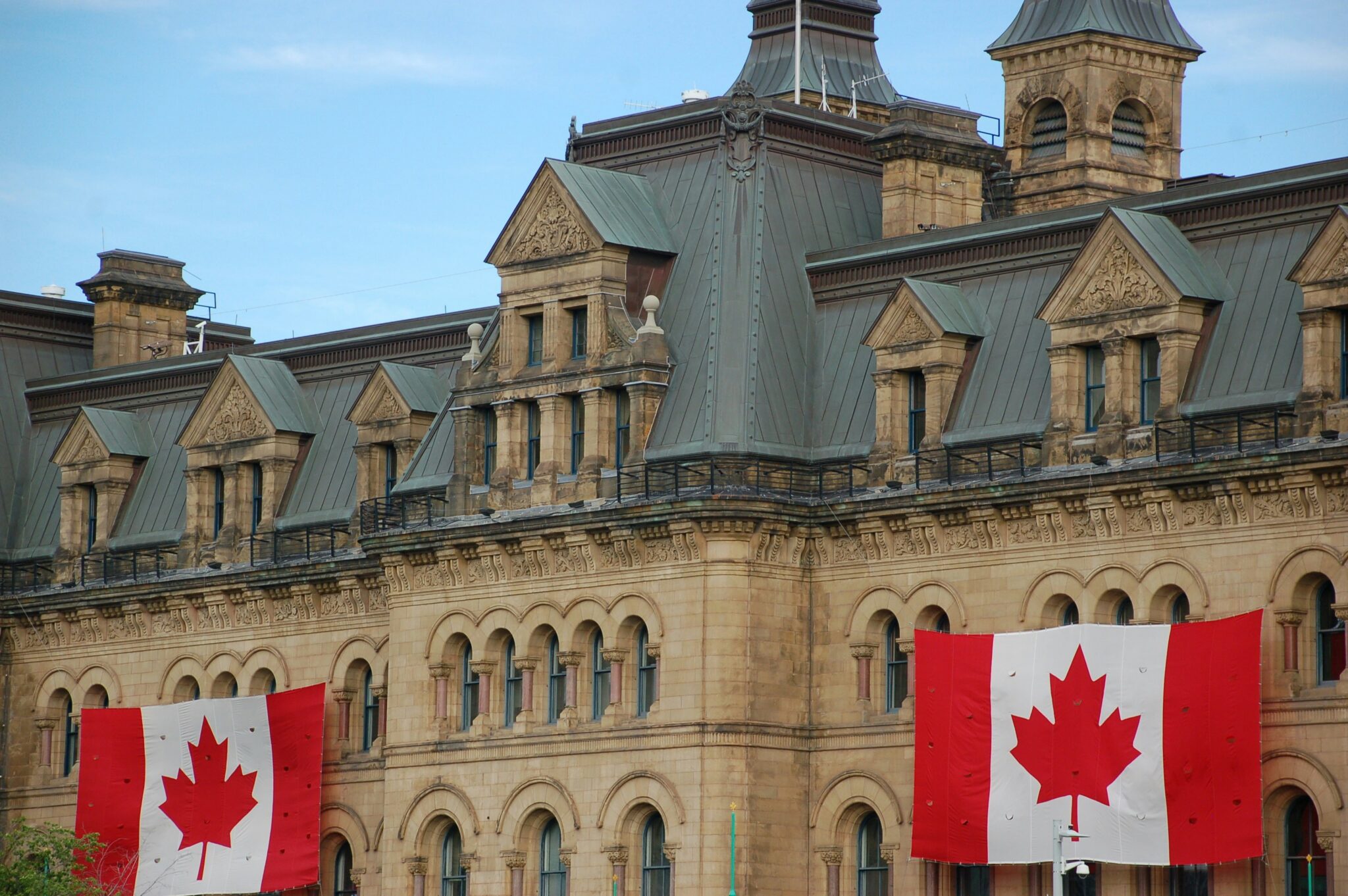
Prime Minister Mark Carney’s government is preparing reforms to Canada’s federal labor code, with Jobs Minister Patty Hajdu holding a fresh round of consultations on the provision that lets the government end strikes by ordering binding arbitration. Employer groups are using the process to push for a “national public interest test” that would let the labor minister preemptively refer disputes in critical transportation sectors to arbitration before a strike even begins. The proposed change would build on Section 107 of the labor code, which the government has already used repeatedly in recent years to end strikes, most notably last August, when Air Canada flight attendants openly defied a back-to-work order before reaching their own agreement. The question came up again during WestJet’s strike earlier this week. Unions argue employers are exploiting trade tensions with the US to erode collective bargaining rights, while the government has floated a possible compromise to empower special mediators.
Meanwhile, the Center for Labor and a Just Economy at Harvard Law School yesterday released a Model State Sectoral Bargaining Law, a legislative template that would let states create industry-wide bargaining systems as a complement to traditional worksite unionizing. The model law, offered in two versions that differ mainly in how much authority a newly created State Labor Standards Board would wield, would set sector-wide wage and benefit floors, cover workers regardless of how they’re classified, and allow a Board to extend an existing union contract’s terms across an entire sector once that agreement covers 30% of the sector’s workers. The Center cites research suggesting that sectoral bargaining could more than double collective bargaining coverage in the United States.
Finally, New Jersey Attorney General Jennifer Davenport filed a federal antitrust lawsuit Tuesday accusing Amazon of using its outsized buying power to dominate last-mile delivery services across New Jersey and the New York City metro area, arguing the company functions as a monopsony that turns nominally independent delivery contractors into “captive sellers.”. The complaint, filed in the US District Court for the District of New Jersey, alleges Amazon’s control over package assignment and route creation leaves suppliers financially dependent on the company, which that ultimately harms drivers who face longer hours and lower pay. The state also claims Amazon has taken steps to prevent delivery companies from poaching each other’s drivers, chilling competition, and is asking the court to enjoin those practices. Amazon spokesman Steve Kelly denied the allegations, saying delivery suppliers are independent business owners free to work with other companies.



Daily News & Commentary
Start your day with our roundup of the latest labor developments. See all
October 9
DHS proposes a $100k fee for the foreign grad employment program; Trump suspends tech company access to green card program; and private equity perpetuates poor working conditions for home care workers.
October 8
NLRB judge finds UPS unlawfully restricted union insignia; Harvard graduate workers authorize second strike; OSHA orders Union Pacific to pay $300,000 in damages in whistleblower case.
October 7
DOL scraps plan to remove decades-old wage-and-hour guidance from federal regulations; New York enacts personnel records access law; Starbucks loses bid to dismiss Workers United trademark suit.
October 6
Protect College Sports Act dampens athlete unionization outlook; Stanford RA union decides to withdraw petition
October 5
Delaware bans captive audience meetings; EEOC settles remote work national origin discrimination claim; First Circuit stays enforcement order in VA's dispute with AFGE.
October 4
Boston nurses announce open-ended strike; federal judge restores federal prison workers' union protections; St. Louis workers form the first movie theater union in Missouri.