
Gurtaran Johal is a student at Harvard Law School.
In today’s news and commentary, OSHA workplace inspections significantly drop in 2025; the Court denies a petition for certiorari to review a Minnesota law banning mandatory anti-union meetings at work; and the Court declines two petitions to determine whether Air Force service members should receive backpay as a result of religious challenges to the now-revoked COVID-19 vaccine mandate.
The New York Times reports that in 2025, Occupational Safety and Health Administration (OSHA) inspections in the workplace substantially dropped. The released data demonstrates a 20 percent decrease in workplace inspections by OSHA during a six-month period last year. The data shows that between April and September of 2024, there were 29,229 inspections, whereas there were 23,531 inspections during the same time frame in 2025. While there are generally fluctuations in the number of inspections, they are of a smaller margin. This has raised concerns among labor experts and advocates of a relaxation in oversight over companies and a potential increase for injuries and deaths. This drop also comes after the Trump administration’s efforts to roll back efforts around workplace safety, including efforts to removemandates for protective equipment for employees who regularly work with dangerous chemicals.
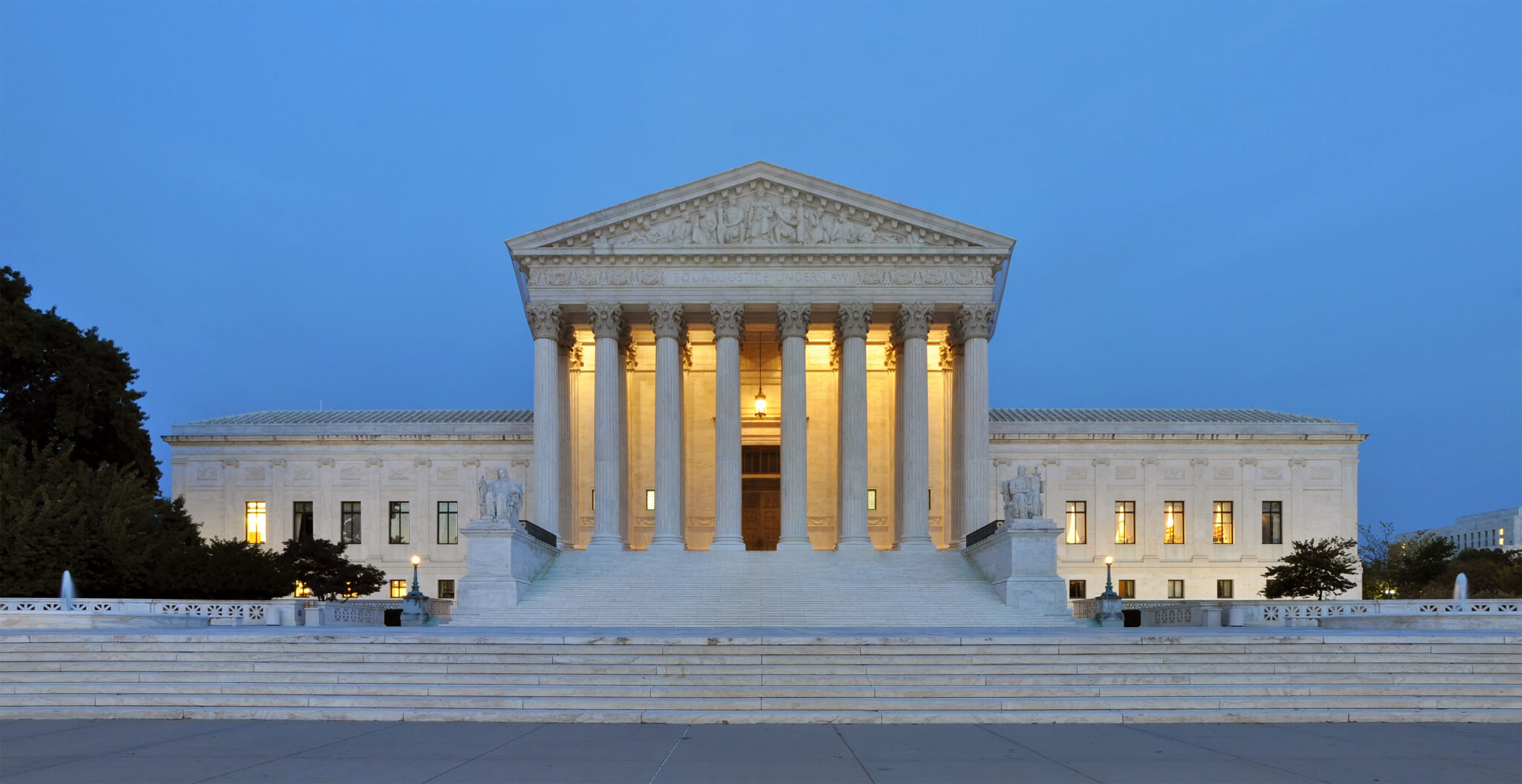
Meanwhile, the Court denied a petition for certiorari to review a Minnesota law that bans mandatory anti-union meetings at work, otherwise known as captive-audience meetings. The U.S. Court of Appeals for the Eighth Circuit ultimately ruled against the business groups and ordered for the case’s dismissal. The Eighth Circuit dismissed the case for lack of jurisdiction, failing to reach the merits. The court found that the petitioners, the Minnesota Chapter of Associated Builders and Contractors, the National Federation of Independent Business, and Laketown Electric Corporation, failed to defeat the state officials’ claims of sovereign immunity under the Eleventh Amendment. Respondents argue that the law violates an employer’s First Amendment right to communicate his views on political and religious matters with employees.
Lastly, the Court declined two petitions to determine whether Air Force service members and reservists were entitled to backpay because of their religious challenges to the now-revoked COVID-19 vaccine mandate. The service members sought judicial relief under the Religious Freedom Restoration Act, which prohibits the government from “substantially burdening” a person’s exercise of religion. The first case was a class action arguing that the Air Force “systematically” denied religious exemptions of the vaccine, while the second case was a reservist who sought backpay for being discharged from his duties for refusing to receive the vaccine. A federal appeals court had previously deemed the cases moot after the Air Force repealed the mandate in 2022.


Daily News & Commentary
Start your day with our roundup of the latest labor developments. See all
September 29
Unions, AI companies, and private equity firms form a new coalition to shape data center policies; unions express support for the Paramount-Warner Bros. merger.
September 28
The Protect College Sports Act nears passage in the Senate; San Francisco municipal workers agree to contract extensions.
September 27
The Trump Administration reaches a settlement with federal unions on reduction in force actions; the United Auto Workers file an en banc petition seeking review of a Second Circuit decision regarding labor arbitrations.
September 25
Healthcare workers rally to restore legal status for TPS holders; nurses at a Maine hospital overwhelmingly vote to form their union despite alleged aggressive union busting tactics.
September 24
NLRB abandons rule for offensive conduct during protected activity; New York home care workers seek a union election; maritime deck officers endure long fight for first contracts.
September 23
DoorDash settles delivery-worker pay claims; Philadelphia school workers win new contract; stock gains spur retirements.