
Justin Cassera is a student at Harvard Law School.
In today’s news and commentary, President Trump’s proposed budget aims to eliminate the Legal Services Corporation, Colgate settles a class action lawsuit, and local governments prepare for hurricane season following FEMA cuts.
The Trump administration recently released a budget appendix which requests $21 million for an “orderly closeout” of the Legal Services Corporation (LSC). The proposed elimination of the independent agency threatens the funding of 130 non-profit legal aid programs, the representation of approximately 6.4 million low-income people, and the employment of staff at legal aid organizations, a group that unionizes at higher rates than the rest of the legal industry. President Trump attempted to eliminate the LSC in 2018, but failed after meeting bipartisan resistance. Defenders of the LSC say the proposed elimination is not cost-justified, citing over fifty studies in the last 25 years that show a positive return on investment.
On Thursday, Colgate-Palmolive Co. and a class of 1,100 retirees agreed to settle a nine-year-old lawsuit regarding pension benefit calculations. The case was originally filed in 2016 by two former employees who alleged that the company was underpaying residual annuities to certain retirees. In 2020, a federal judge ruled in favor of the retirees and ordered Colgate to recalculate the annuity payments, but stayed the proceedings pending appeal. Following several trips to the US Court of Appeals for the Second Circuit, the parties have finally reached agreement and expect court approval by August 15. The parties did not share details of the agreement.
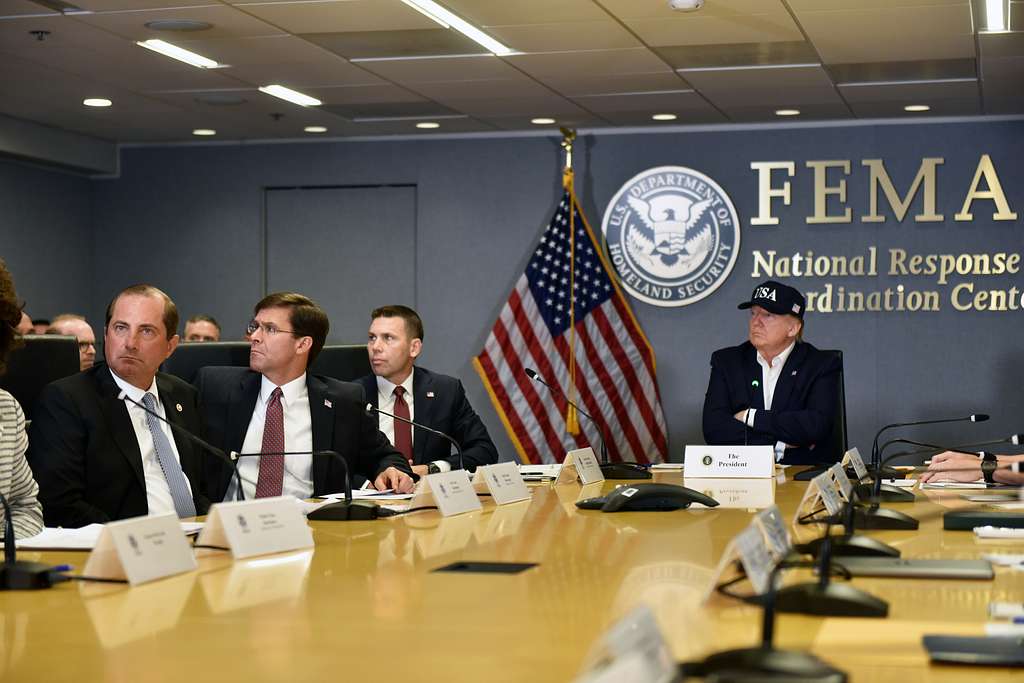
State and local governments are bracing for hurricane season following staff cuts at the Federal Emergency Management Agency (FEMA). Since President Trump’s inauguration, an already undermanned FEMA has seen several months of additional firings, grant freezes, and canceled initiatives. The agency has been led by “a rotating cast of interim chiefs” who have attempted to shift preparation and response costs to states and localities. Alan Harris, Emergency Manager for Seminole County, Florida said, “We are planning that FEMA is not coming. We pray that FEMA is. But our contingency plan is that they aren’t.” “It is a disaster waiting to happen,” said Robert Verchick, a climate change legal expert at Loyola University in New Orleans. The Atlantic hurricane season began on June 1 and is expected to be more active than usual this year.




Daily News & Commentary
Start your day with our roundup of the latest labor developments. See all
October 25
Dallas Cowboys Cheerleaders unionize; Bureau of Prisons again pushes for union contract cancellation; CSU faculty votes on strike authorization.
October 23
Employers increasingly shift health care costs onto workers and NYC proposes placing restrictions on fully automated customer service.
October 22
SCOTUS declines Wilcox appeal; Penn State research assistants win bargaining rights; SEIU sued over military leave firing.
October 21
DOL withdraws tipped-worker rule; Instacart settles hiring-bias claims; Phillips 66 locks out New Jersey refinery workers.
October 20
Korean unions oppose labor exemption bill; Portland city workers prepare for strike; UPenn grad student union looks to dismiss university filing
October 19
FDA reverses course on policy prohibiting off-duty union activity; FAA and NATCA reach deal to secure pay increase for air traffic controllers.