
Justin Cassera is a student at Harvard Law School.
In today’s news and commentary, President Trump signs executive action ordering payment to TSA agents, NYC Doormen set date for strike vote, and KPMG positions for mass layoffs.
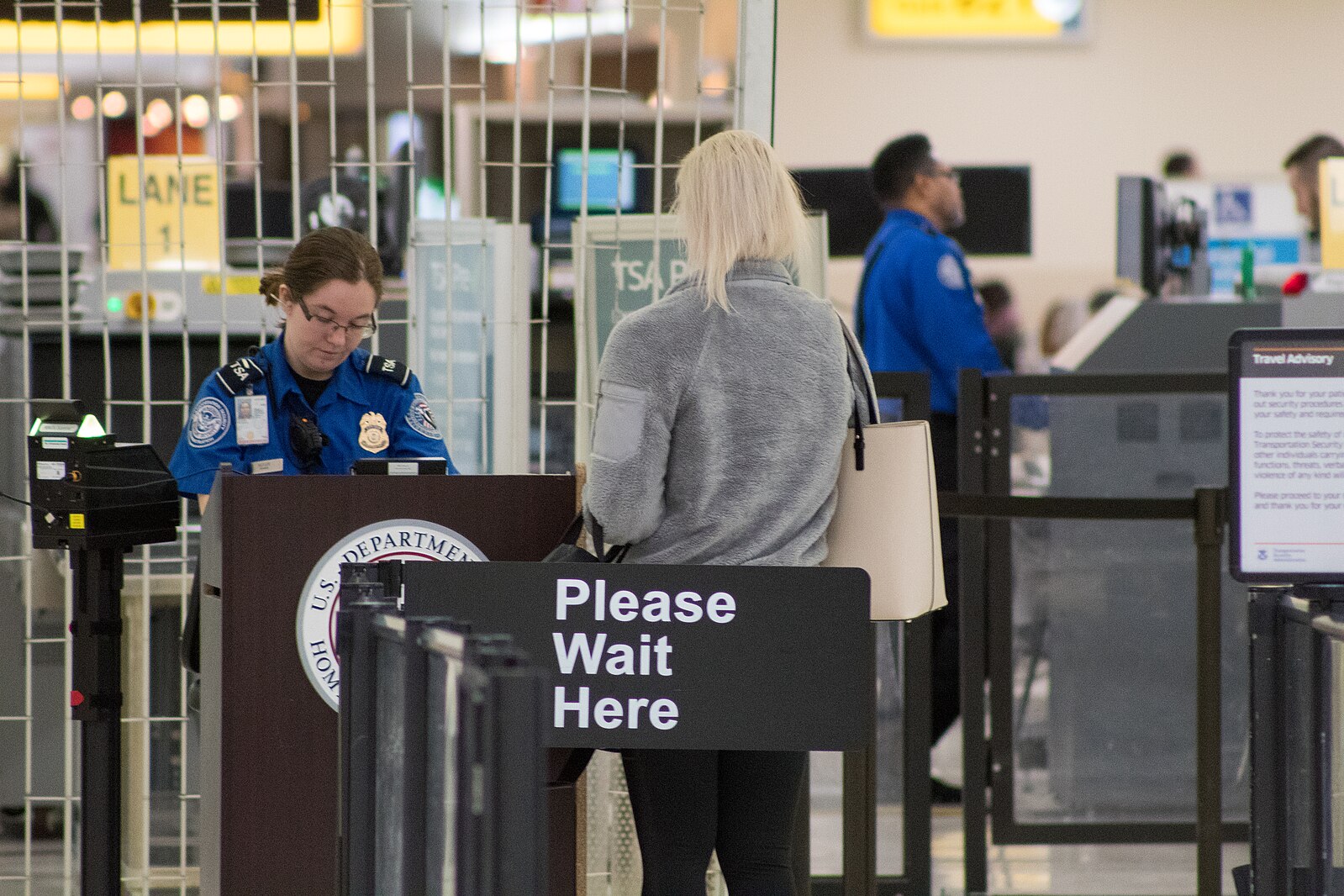
On Friday, President Trump issued an executive action ordering the Secretary of Homeland Security and Director of the Office of Management and Budget to pay workers at the Transportation Security Administration (TSA) amid the prolonged shutdown of the Department of Homeland Security (DHS). Blaming Democrats for the shutdown, President Trump cited the long lines seen at airports in past weeks to conclude that “America’s air travel system has reached its breaking point . . . [creating an] emergency situation compromising the Nation’s security.” Although the authority and funding mechanisms for this order remain unclear, DHS has said that TSA employees could begin seeing their paychecks as soon as today. While this will likely ameliorate the long airport wait times and ensuing travel fiascoes, it will do little to resolve the broader DHS shutdown.
Nearly 34,000 doormen and other building staff workers in New York City plan to vote in the coming weeks on strike authorization as their four-year contract is set to expire. A strike could disrupt approximately 3,500 buildings in the city. The union’s current contract is set to expire on April 21, and the parties have yet to agree on new terms going forward. In anticipation of this new agreement, President of 32BJ SEIU, the workers’ union, Manny Pastreich said, “We won’t let the thriving real estate industry raise health care costs, jeopardize retirement security, and undermine the core fabric of a labor contract that thousands of working families depend on.” For now, an advisory board representing the property owners is seeking to introduce tiered employment positions with different pay, a proposal the union has deemed “insulting.” President of the advisory board Howard Rothschild stated, “While we look forward to working with 32BJ to achieve a fair contract over the next month, we respect their right to authorize a strike and all our members are preparing for that possibility . . . We are hopeful both sides will recognize and confront the realities facing the industry.”
In the United Kingdom, KPMG has notified nearly 600 staffers in its audit business that they may be let go following unexpectedly low attrition. Ultimately, the company expects around 450 people to leave the firm following what they are calling “redundancy consultation[s].” Assistant managers who are qualified accountants portend to be most affected by the move, impacting nearly 6% of the audit division’s 7,100 employees. KPMG is not alone in looking to reduce headcount; competitor McKinsey & Co. has also discussed reducing non-client-facing departments in size by about 10%.





Daily News & Commentary
Start your day with our roundup of the latest labor developments. See all
October 21
DOL withdraws tipped-worker rule; Instacart settles hiring-bias claims; Phillips 66 locks out New Jersey refinery workers.
October 20
Korean unions oppose labor exemption bill; Portland city workers prepare for strike; UPenn grad student union looks to dismiss university filing
October 19
FDA reverses course on policy prohibiting off-duty union activity; FAA and NATCA reach deal to secure pay increase for air traffic controllers.
October 18
Federal judge again halts cancellation of the Bureau of Prisons’ CBA; tabletop gaming workers face roadblocks in union recognition.
October 16
Department of Labor reduces wage-and-hour enforcement at unionized workplaces; Fain's victory poses question of federal monitor's extension.
October 15
New reporting examines the rollback of child labor protections; California tries to block a strike; NLRB charges Wisconsin mental health provider with firing workers during union drive.