
Esther Ritchin is a student at Harvard Law School.
In today’s news and commentary, Trump’s picks face Senate confirmation hearings, including Lori Chavez-DeRemer as Labor Secretary and Scott Bessent as Treasury Secretary.
As many of Trump’s cabinet picks face questioning in Senate confirmation hearings, Lori Chavez-DeRemer’s nomination for Labor Secretary stands out as less objectionable than his other choices. Professors Sharon Block and Benjamin Sachs examine Chavez-DeRemer’s track record and the implications of her nomination. While Trump has yet to make many appointments crucial to the fate of the labor movements, such as members of the NLRB, Chavez-DeRemer’s nomination indicates the possibility of bipartisan collaboration. However, Chavez-DeRemer has not had a consistently pro-labor message. As one reporter described, “[a] spokesperson for the Trump transition, Aly Beley, told me that Chavez-DeRemer no longer supports the PRO Act—a major shift that will disappoint Democrats but might help her secure the GOP support she needs to win confirmation.” And, as Block and Sachs warn, “the Republican vision for American labor policy is based on exclusion; the progressive vision is based on inclusion.”
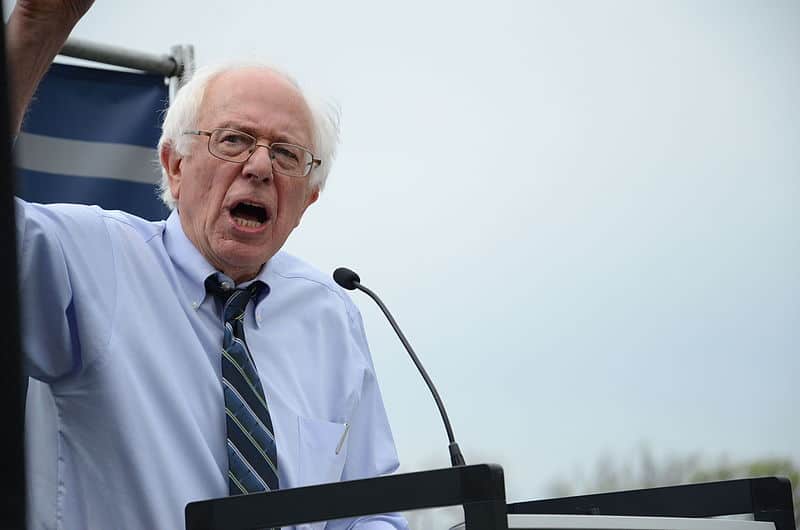
During his confirmation hearing, Trump’s nominee for Treasury Secretary, Scott Bessent, expressed opposition to raising the federal minimum wage. Facing questioning from Senator Bernie Sanders, Bessent expressed that he believed minimum wage was a state and regional issue. Bessent also defended tariffs and extending tax cuts.




Daily News & Commentary
Start your day with our roundup of the latest labor developments. See all
October 14
Eleventh Circuit overturns ERISA exhaustion rule; DHS finalizes removal of automatic renewal for work permits; AFGE challenges SSA over flexible scheduling policy.
October 13
Chicago hotel workers remain on strike; a coalition of Democratic states sues the Labor Department over canceled unemployment insurance grants; the Federal Labor Relations Authority establishes a new mediation framework for federal worker disputes.
October 12
Workers at the Obama Foundation begin organizing; MLB submits its latest collective bargaining agreement proposal; Brigham & Women's nurses postpone strike.
October 11
UAW President Shawn Fain succeeds in his reelection bid, and Spanish unions call for a general strike.
October 9
DHS proposes a $100k fee for the foreign grad employment program; Trump suspends tech company access to green card program; and private equity perpetuates poor working conditions for home care workers.
October 8
NLRB judge finds UPS unlawfully restricted union insignia; Harvard graduate workers authorize second strike; OSHA orders Union Pacific to pay $300,000 in damages in whistleblower case.