
Henry Green is a student at Harvard Law School.
In today’s News and Commentary, Republican senators challenge a proposed OSHA rule on heat, OpenAI and the Building Trades announce a partnership around data centers, and the Trump administration launches an investigation into forced labor that could lead to “more durable” tariffs.
Several Senate Republicans are calling on the Department of Labor to overhaul an OSHA standard on heat proposed during the Biden administration, Politico Pro reports. The Biden DOL first proposed the rule in 2021 and has since received more than 47,000 comments, according to Bloomberg. Under the proposal, employers would be required to provide water, shaded rest areas, and periodic rest breaks when the heat index reaches 80 degrees, and would need to take additional measures in 90 degree heat. In a letter to Labor Secretary Lori Chavez-Deremer, the Senators argue the rule is overly complicated and inflexible. Bloomberg notes that OSHA could face challenges under the “logical outgrowth” doctrine if it sharply changes the rule from what was initially proposed.
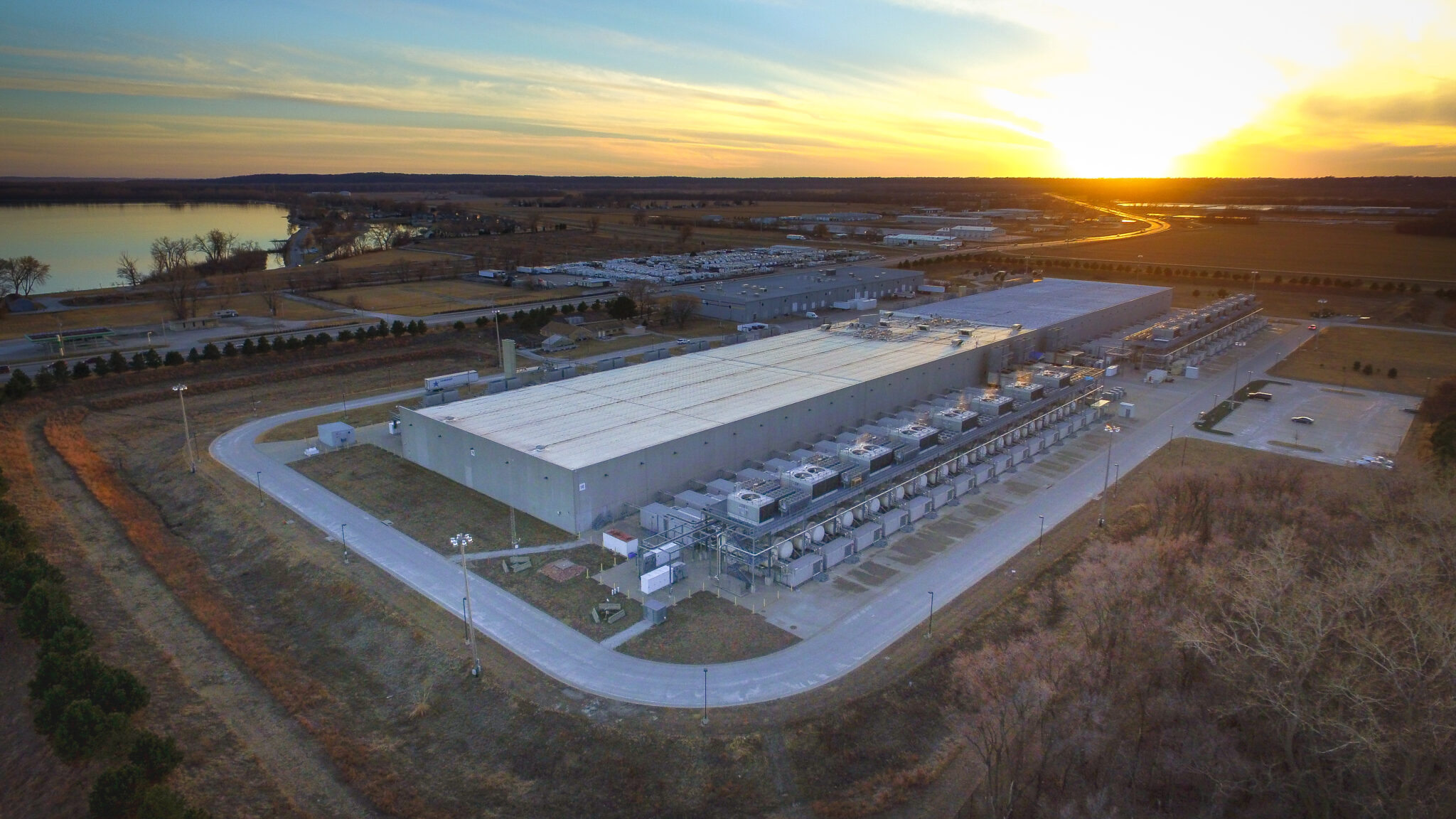
OpenAI and North America’s Building Trades Unions (NABTU) announced a partnership related to data center construction, Axios reports. OpenAI has committed to spend $1.5 million over five years to support NABTU’s training and recruitment programs, per the article. Fortune reports that Sam Altman discussed the partnership at an infrastructure conference this week, noting the need for skilled construction workers to build out the infrastructure that supports AI. In a press release, NABTU said they and OpenAI would “seek to foster constructive engagement around policy development, project entitlement, workforce development, labor standards, project safety, and the responsible expansion of infrastructure associated with artificial intelligence technologies.”
The New York Times reports that the Trump administration has initiated an investigation into the trade policies of some 60 countries regarding goods made with forced labor. Per the article, the investigations could provide a path to maintain the administration’s system of tariffs after the Supreme Court struck down the tariffs last month. The investigations are being carried out pursuant to Section 301 of the Trade Act of 1974, which allows the US to impose tariffs to counter unfair trade practices. Section 301 would allow the administration to enact “more durable” tariffs than other measures Trump used immediately after the Supreme Court decision, but requires an investigation and hearings before tariffs are imposed.



Daily News & Commentary
Start your day with our roundup of the latest labor developments. See all
October 11
UAW President Shawn Fain succeeds in his reelection bid, and Spanish unions call for a general strike.
October 9
DHS proposes a $100k fee for the foreign grad employment program; Trump suspends tech company access to green card program; and private equity perpetuates poor working conditions for home care workers.
October 8
NLRB judge finds UPS unlawfully restricted union insignia; Harvard graduate workers authorize second strike; OSHA orders Union Pacific to pay $300,000 in damages in whistleblower case.
October 7
DOL scraps plan to remove decades-old wage-and-hour guidance from federal regulations; New York enacts personnel records access law; Starbucks loses bid to dismiss Workers United trademark suit.
October 6
Protect College Sports Act dampens athlete unionization outlook; Stanford RA union decides to withdraw petition
October 5
Delaware bans captive audience meetings; EEOC settles remote work national origin discrimination claim; First Circuit stays enforcement order in VA's dispute with AFGE.