
Alisha Jarwala is a student at Harvard Law School and a member of the Labor and Employment Lab.
Yesterday, Kickstarter employees voted to unionize, becoming the first well-known technology company to do so. The New York Times reports that the employees will be affiliated with the Office and Professional Employees International Union and will begin contract negotiations over equal pay and hiring practices. Kickstarter’s union drive began last year, drawing widespread attention when the company fired two of the employees behind the organizing attempt. The Times article notes that this pro-union vote is significant for the technology industry, where “workers have become increasingly activist in recent years over issues as varied as sexual harassment and climate change . . . [b]ut large-scale union efforts have faltered.”
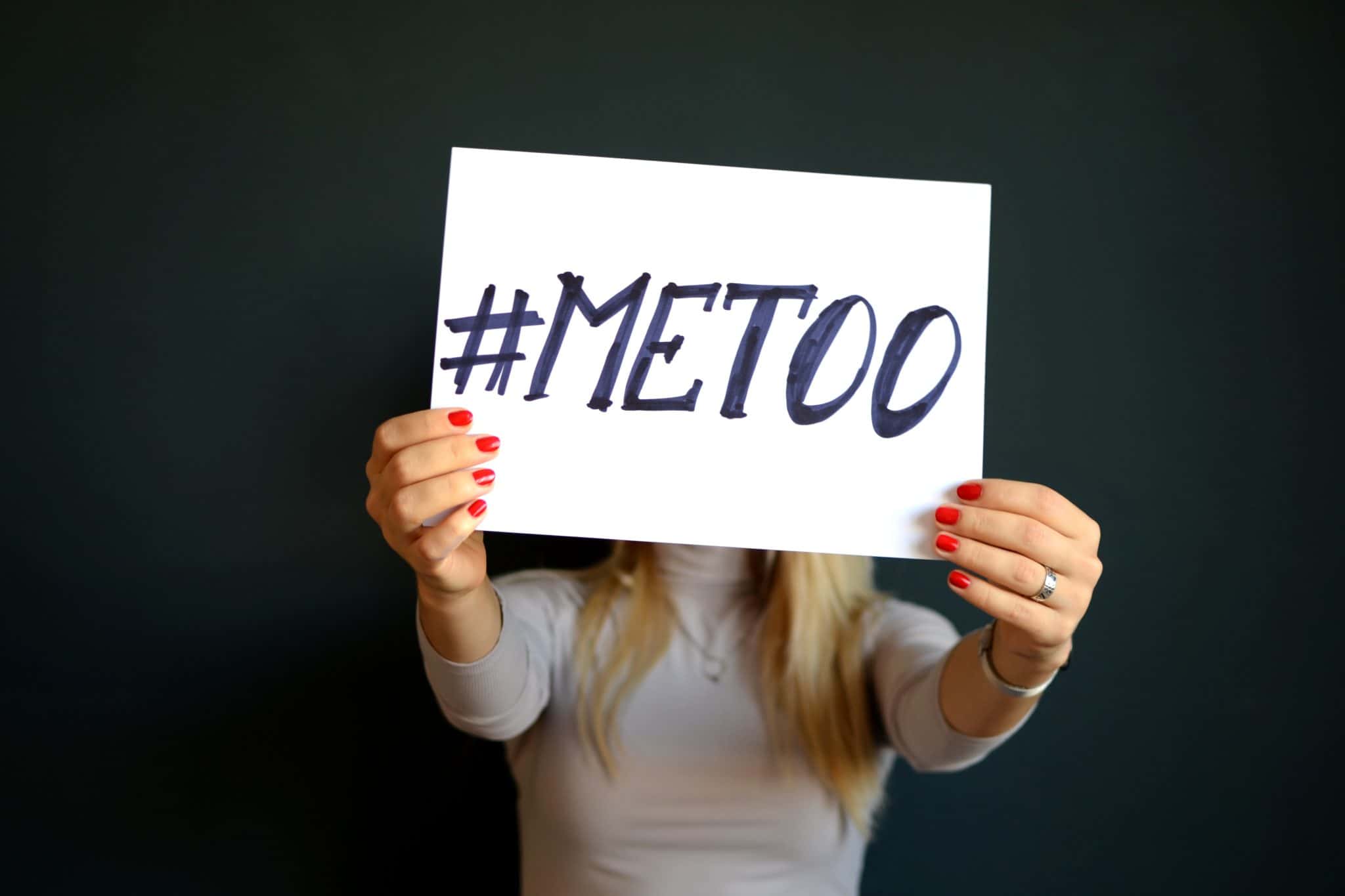
New Jersey Governor Phil Murphy has announced an overhaul of the state’s laws relating to workplace harassment. The proposed legislation would clarify the “severe or pervasive” standard for establishing a hostile working environment and make it clear that “a single incident can create a hostile work environment and that harassment need not involve physical touching.” The proposal would also mandate employers to establish workplace policies on training on discrimination and harassment, and increase protections for domestic workers and unpaid interns. Bloomberg notes that these reforms follow California, Delaware, and New York, which have all revised their laws to make it easier for workers to sue for sexual harassment in the wake of the #MeToo movement.
Amazon CEO Jeff Bezos has committed $10 billion to address climate change. The New York Times reports that this initiative, the Bezos Earth Fund, will fund scientists, activists, and nonprofits working to fight the impact of climate change. Amazon employees have demanded that their employer do more to address climate change for over a year. While Bezos announced a Climate Pledge in September to become carbon-neutral, workers believe this is insufficient. Some also claim they have faced retaliation for their activism. In response to Bezos’s new initiative, Amazon Employees for Climate Justice tweeted: “We applaud Jeff Bezos’ philanthropy, but one hand cannot give what the other is taking away. The people of Earth need to know: When is Amazon going to stop helping oil and gas companies ravage Earth with still more oil and gas wells?”
Finally, OnLabor Senior Contributor Charlotte Garden has an op-ed in the Washington Post discussing DoorDash employees’ strategy of filing thousands of simultaneous individual arbitrations in response to the company’s mandatory arbitration clause. Garden writes that this creative strategy is a way for workers to “reclaim some leverage in a legal environment that employers shape to their own benefit.” However, she notes that mass arbitrations are not a complete solution—filing for arbitration is still burdensome and expensive, and employees might wait years for their cases to go forward because of a shortage of arbitrators. Garden emphasizes that a “more sustainable solution would be for Congress to bar employers from unilaterally imposing individual arbitration on their workforces,” such as through the PRO Act, passed by the House this month.





Daily News & Commentary
Start your day with our roundup of the latest labor developments. See all
October 15
New reporting examines the rollback of child labor protections; California tries to block a strike; NLRB charges Wisconsin mental health provider with firing workers during union drive.
October 14
Eleventh Circuit overturns ERISA exhaustion rule; DHS finalizes removal of automatic renewal for work permits; AFGE challenges SSA over flexible scheduling policy.
October 13
Chicago hotel workers remain on strike; a coalition of Democratic states sues the Labor Department over canceled unemployment insurance grants; the Federal Labor Relations Authority establishes a new mediation framework for federal worker disputes.
October 12
Workers at the Obama Foundation begin organizing; MLB submits its latest collective bargaining agreement proposal; Brigham & Women's nurses postpone strike.
October 11
UAW President Shawn Fain succeeds in his reelection bid, and Spanish unions call for a general strike.
October 9
DHS proposes a $100k fee for the foreign grad employment program; Trump suspends tech company access to green card program; and private equity perpetuates poor working conditions for home care workers.