
Alisha Jarwala is a student at Harvard Law School and a member of the Labor and Employment Lab.
Less than a year after Amazon dropped its plans to build a second headquarters in New York City, the company has signed a lease for 335,000 of office space in Hudson Yards, on Manhattan’s west side. The office will have around 1,500 employees. Amazon is taking the space without any tax credits or inducements from the city—a stark contrast to the situation last year, when Amazon was offered $3 billion in government incentives to come to New York, leading to backlash from activists and local lawmakers. Politico reports that the fight over Amazon will also feature in the 2020 elections—in at least three races in New York City, Democratic primary challengers are taking on Amazon opponents, arguing the pushback against Amazon is part of an anti-development movement holding back progress in the city. Supporters of last year’s attempted Amazon expansion pointed out to Politico that the 1,500 jobs coming to Manhattan now pale in comparison with the 25,000 jobs Amazon would have brought with HQ2.
New Yorker columnist John Cassidy discusses what a strong jobs report means for President Trump’s 2020 chances. As Deanna noted yesterday, November’s job report had an unemployment rate of 3.5% and the addition of around 226,000 jobs to the economy. Cassidy writes that while the numbers give the president a possible path to reelection, political polarization means that the economy plays less of a role in determining voters’ attitudes than it did in the past.
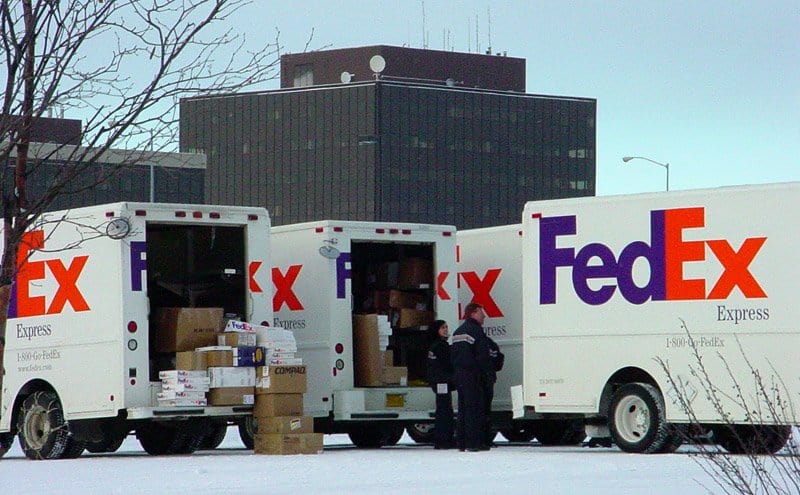
The Wall Street Journal published a feature on the FedEx workforce: to find workers, FedEx has “tapped deep into the Mississippi Delta,” ferrying workers on four hour round trips from rural areas to its facility in Memphis. The article notes that the FedEx busing program highlights the lengths delivery companies have to go to to find workers when unemployment is low around their larger hubs. FedEx has committed to providing free rides to workers as part of a three-year pilot program. “If the jobs are not coming to the Mississippi Delta, then we have to take the people to the jobs,” said Pam Chatman, who helped coordinate the program with FedEx.
Finally, The New York Times published a piece on the life of personal trainers at high-end gym Equinox. The company markets itself as a glamorous, luxury brand, but its trainers may work up to 80 hours a week for very low pay, often sleeping in cars or on towels at the gym. While top earners in the training program can make up to six-figure salaries, the Times reports that the gym’s complex recruitment-based pay scale means that many trainers can barely make ends meet. One trainer told reporters that she could not afford to pay for electricity while working at Equinox; another described the environment as “Hunger Games-style.”



Daily News & Commentary
Start your day with our roundup of the latest labor developments. See all
September 21
In today’s News and Commentary, the Seventh Circuit raises the bar for the NLRB to obtain preliminary injunctions, the California Primary Care Association sues SEIU-UHW for racketeering, and the Seventh Circuit finds that an employer group and think tank do not have standing to challenge an Illinois law banning captive audience meetings. On Friday, the […]
September 20
Culinary Workers Union members protests union leadership; lawsuit against OpenAI and Microsoft reveal internal concerns about the threat of AI training to human labor.
September 17
Unions push to block Google from buying Spirit Airlines employment records; U.S. Department of Labor sues Oklahoma coffee chain over alleged wage violations.
September 16
Trump nominates Catherine Eschbach as EEOC general counsel; NLRB declines to resolve union work-assignment dispute; Allina Health physicians begin four-day strike.
September 15
Documents reveal the inner workings of Amazon's union avoidance program; Washington state public sector unions reach tentative deals amid a difficult bargaining cycle; hundreds of Nevada Culinary Union members protest their union's health care changes.
September 14
NCAA and Big Ten file motion to dismiss in former star player's NIL suit; Seventh Circuit rules against former postal worker in discrimination suit.