
Deanna Krokos is a student at Harvard Law School
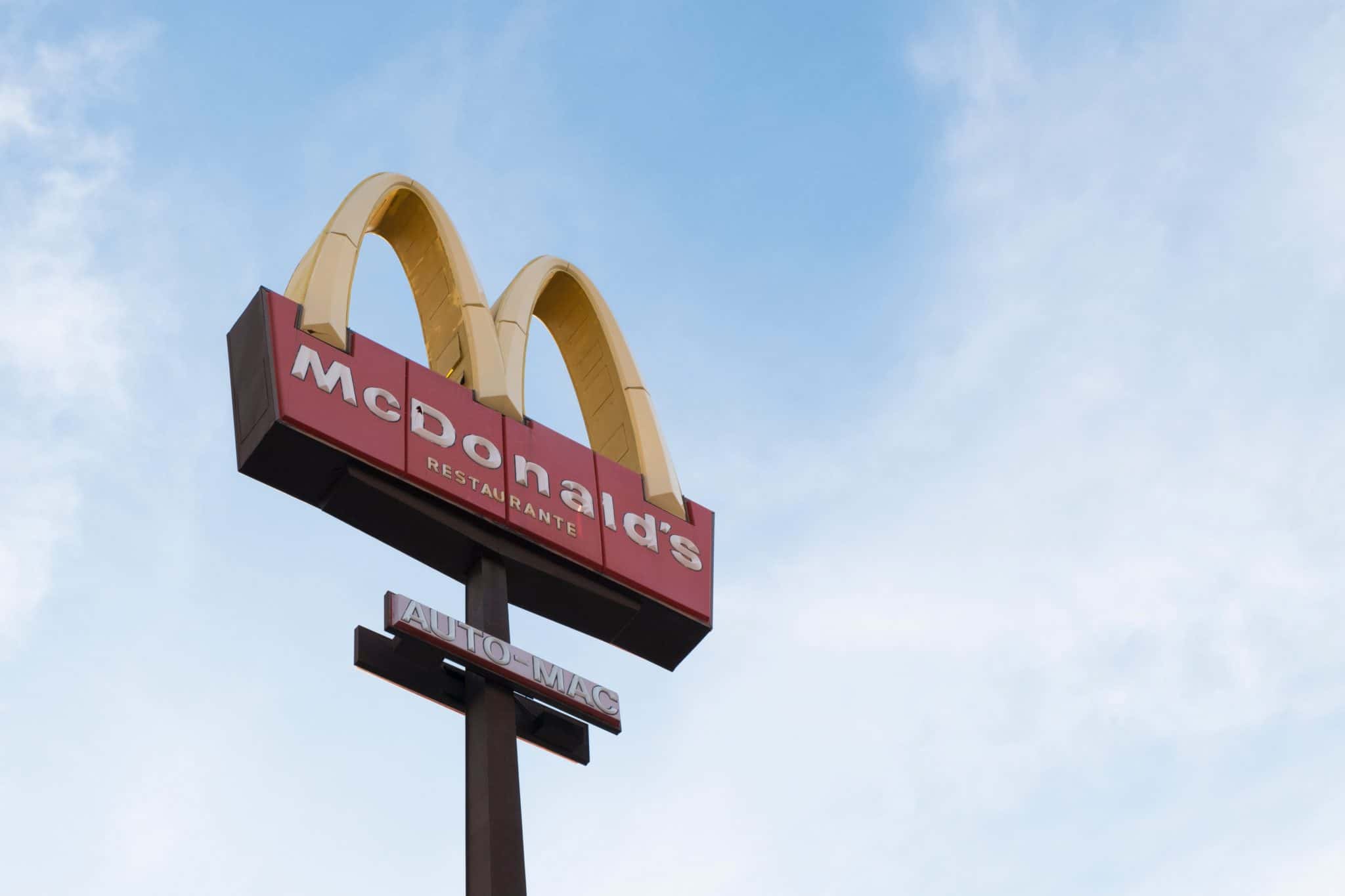
17 workers in Chicago-area McDonald’s workers are suing the fast-food chain alleging that it did not do enough to protect them from violence at work. While 90% of McDonald’s stores are operated by franchisees, the suit casts blame on corporate, focusing on the way that corporate-dictated store design and training materials left workers vulnerable to physical attacks and harassment by customers. For example, the workers allege that the chain’s standard low countertops make it easy for customers to enter the kitchen and threaten or attack workers. A report by the Chicago Tribune recounts the story of a worker who was threatened with a gun, and her dismay that “people at the company I work for don’t do anything to protect us.” The workers also allege that the training materials provided to franchises fail to adequately train workers and managers on how to prevent or respond to customer violence. The claims echo a report published earlier this year by the National Employment Law Project that describes the shocking rates of violence in McDonald’s stores nation-wide, finding that “of the 721 media-covered incidents [in McDonald’s stores], guns were involved in 72 percent.”
Earlier this month, Alisha wrote about a sexual harassment lawsuit that similarly alleged that McDonald’s company-wide culture left workers vulnerable and without effective means of redress.
For the Harvard Law Review Blog, Annie argues that the Ninth Circuit’s recent opinion in NLRB v. IAB Local 229 is a bit of a wet firecracker. As Ryan explained last month, the case involved a First Amendment challenge to § 8(b)(4)(i)(B) of the National Labor Relations Act—a provision that prohibits unions from encouraging workers engage in “secondary strikes” against neutral employers. In holding that § 8(b)(4)(i)(B) is not subject to strict scrutiny, the panel relied on decades-old Supreme Court precedent without engaging with serious constitutional questions raised by intervening developments in First Amendment jurisprudence. The result is a somewhat frustrating circuit opinion that provides few clues about how the court will engage with upcoming challenges to union-speech restrictions.
This week, organizers working for the Pete Buttigieg campaign secured voluntary recognition of their union. The campaign voluntarily recognized the union, organized under IBEW Local 2321. This follows the successful efforts of organizers on the Sanders, Warren, Swalwell, Castro and Booker campaigns who have won unions this year.
With economic and workers’ issues at the forefront of conversations in the Democratic Primary, the International Brotherhood of Teamsters announced this week that they will hold a candidate forum in Iowa on December 7th. The forum will focus on the candidates’ plans for retirement security, union rights, and the labor issues implicated by their plans on international trade.


Daily News & Commentary
Start your day with our roundup of the latest labor developments. See all
October 1
Senate confirms Keith Sonderling as Labor Secretary; Amazon warehouse workers launch an unfair labor practice strike.
September 30
Harvard grad union wins in First Circuit; AI data trainers initiate misclassification suits; Trader Joe’s found liable under ERISA.
September 29
Unions, AI companies, and private equity firms form a new coalition to shape data center policies; unions express support for the Paramount-Warner Bros. merger.
September 28
The Protect College Sports Act nears passage in the Senate; San Francisco municipal workers agree to contract extensions.
September 27
The Trump Administration reaches a settlement with federal unions on reduction in force actions; the United Auto Workers file an en banc petition seeking review of a Second Circuit decision regarding labor arbitrations.
September 25
Healthcare workers rally to restore legal status for TPS holders; nurses at a Maine hospital overwhelmingly vote to form their union despite alleged aggressive union busting tactics.