Jon Levitan is a student at Harvard Law School and a member of the Labor and Employment Lab.
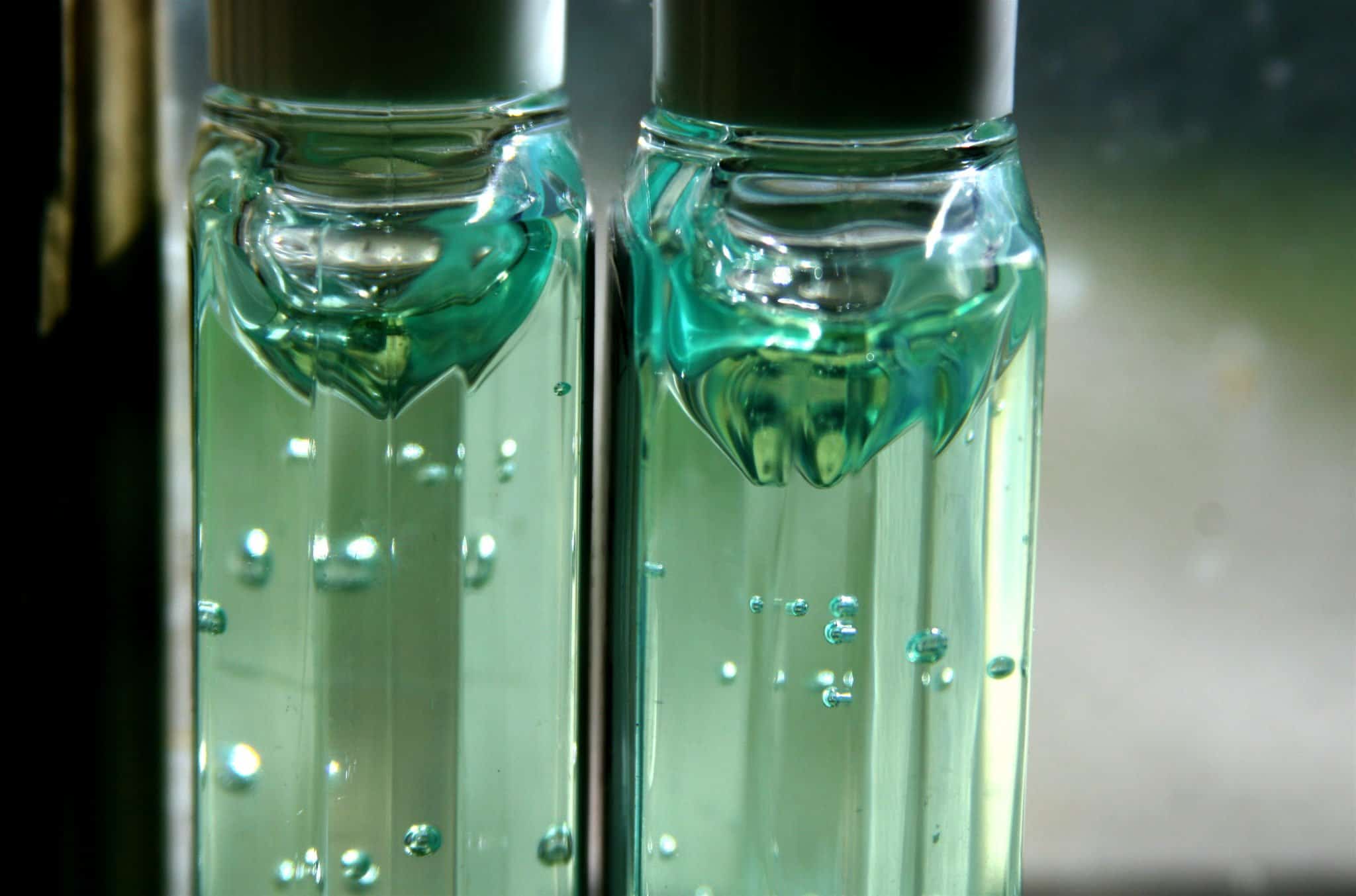
New York has started manufacturing its own hand sanitizer in an effort to save costs amid widespread shortages and price gouging as fears over a coronavirus outbreak spread. It will produce 100,000 gallons per week and distribute it to state run agencies and schools. How has New York managed to produce the hand sanitizer so cheaply? By using prison labor. A few years ago, reporting found that the incarcerated workers made $0.65 per hour. The Legal Aid Society railed against the decision, calling it “nothing less than slave labor,” and noting that the inmates may not have access to the very hand sanitizer they produce because it’s considered contraband due to its alcoholic content.
As Ryan wrote about last week, while the Occupational Health and Safety Administration (OSHA) does not currently have regulations to protect workers from airborne diseases, it could issue temporary standards to protect workers from coronavirus. Yesterday, the AFL-CIO asked its members to urge their congressional representative to advocate for OSHA to issue those standards. Richard Trumka, the President of the AFL-CIO, said that the coronavirus “outbreak is another tragic reminder that the United States is not prepared to adequately protect our health care workers and first responders from infectious disease.”
Coronavirus is wreaking havoc across the pond as well; very serious restrictions on movement in Italy were announced yesterday, for example. While there are more cases in Europe than the United States, the more generous European welfare states may help blunt the economic damage threatened by a potential outbreak, according to The New York Times. A variety of countries, including Germany, France, Denmark, and The Netherlands, mandate that workers can receive full pay when they have to stay home from work, something that is not guaranteed to all American employees, as Deanna wrote about recently. And French workers are allowed to strike over health and safety concerns without losing pay. Workers at The Louvre exercised this right last week, forcing a two day shutdown of the world’s most visited museum, only returning to work when management instituted new safety measures.
In uncontaminated news, the deadline for National Football League (NFL) players to vote to ratify a potential new collective bargaining agreement has been extended until Saturday night. The deal is particularly contentious due to a proposal that would add an additional game to the regular season. The ratification process has been fraught, with enough players apparently seeking to change their votes that the NFL Players Association (NFLPA) considered a resolution to allow them to do so, but it was voted down last night. Meanwhile Russell Okung, who is running to be the next president of the union, filed an unfair labor practice charge with the National Labor Relations Board against the NFLPA for negotiating the potential CBA in bad faith. The filing charges NFLPA Executive Director DeMaurice Smith of pushing the proposed CBA to the full bargaining unit for a ratification vote despite the objections of an executive committee of players.
Hundreds of thousands of women in Mexico went on strike, grinding the country to a halt, to protest widespread violence against women. Women skipped both paid work and uncompensated for domestic labor. Nélida Reyes Guzmán, a striking metro worker, urged continued action: “[t]he strike has given us the chance to challenge our labor conditions. The question is whether we’ll be able to keep up the social pressure.”
For The Baffler, Kim Kelly writes about her experience moderating a panel of gig workers who argue that they are misclassified as independent contractors rather than employees. Kelly highlighted the work of Yanelia Ramirez, a nail technician who has been working at the same salon for over a decade, has her hours and duties tightly controlled by her bosses, and is nonetheless classified as an independent contractor by the salon. For New York’s version of California’s AB5 to be successful, Kelly argues, lawmakers must hear directly from affected workers and their communities.





Daily News & Commentary
Start your day with our roundup of the latest labor developments. See all
October 16
Department of Labor reduces wage-and-hour enforcement at unionized workplaces; Fain's victory poses question of federal monitor's extension.
October 15
New reporting examines the rollback of child labor protections; California tries to block a strike; NLRB charges Wisconsin mental health provider with firing workers during union drive.
October 14
Eleventh Circuit overturns ERISA exhaustion rule; DHS finalizes removal of automatic renewal for work permits; AFGE challenges SSA over flexible scheduling policy.
October 13
Chicago hotel workers remain on strike; a coalition of Democratic states sues the Labor Department over canceled unemployment insurance grants; the Federal Labor Relations Authority establishes a new mediation framework for federal worker disputes.
October 12
Workers at the Obama Foundation begin organizing; MLB submits its latest collective bargaining agreement proposal; Brigham & Women's nurses postpone strike.
October 11
UAW President Shawn Fain succeeds in his reelection bid, and Spanish unions call for a general strike.