
Mackenzie Bouverat is a student at Harvard Law School.
The house is poised to vote on bills aimed at fighting bias in the workplace. The first repeals a Trump-era U.S. Equal Employment Opportunity Commission rule. The rule concerns the EEOC’s conciliation process, which is a means of resolving disputes over allegations of workplace bias after the agency has determined an employer discriminated against an employee prior to the EEOC bringing suit against that employer. If the worker and employer do not reach agreement during this process, the agency can then sue that employer. The rule, finalized in the last days of the Trump administration and now up for repeal, required the EEOC to furnish employers with information during conciliation concerning the agency’s legal position and findings of alleged workplace discrimination, including the identity of harassers or at-fault supervisors and potential class sizes. Workers’ rights groups disapproved of the Trump-era rule, arguing that it disadvantaged workers during settlement negotiations. The second bill is the Protecting Older Workers Against Discrimination Act (H.R. 2062). It aims to make it easier for workers to bring age discrimination suits against their employer, overriding a U.S. Supreme Court standard that generally requires workers to show that age was the sole cause for a negative employment action, rather than a motivating factor.
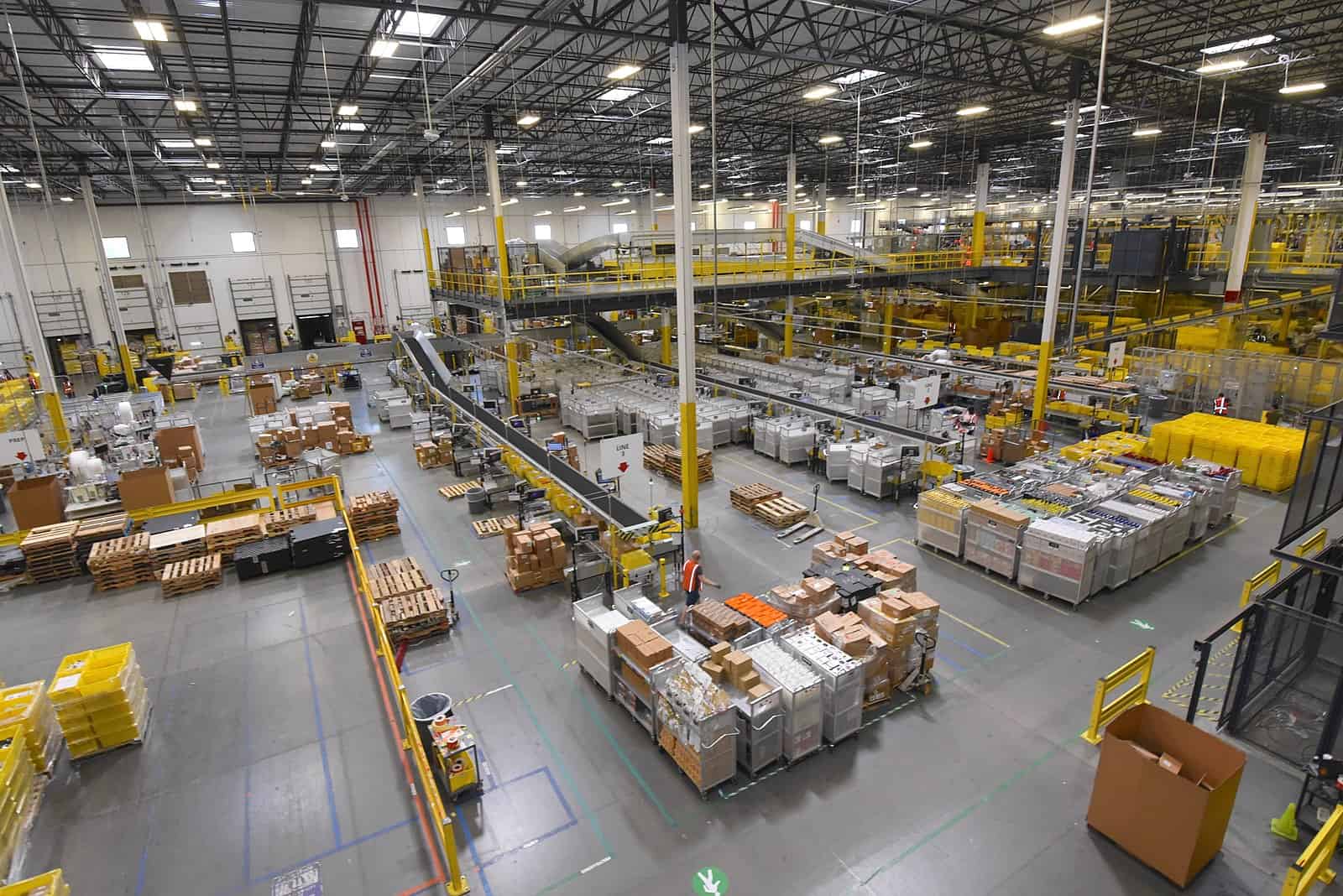
Zach reported yesterday on the poor working conditions endured by Amazon workers during so-called “Prime Week.” Planning to strike while the iron is hot, the International Brotherhood of Teamsters yesterday announced the “Amazon Project,” a plan to ratchet up efforts to unionize workers at Amazon.com Inc. Tweeting that Amazon workers will “build the power it takes to raise standards,” the union plans to establish a company-specific division targeting workers at the notorious union-buster and logistics giant. “The International Brotherhood of Teamsters recognizes that there is no clearer example of how America is failing the working class than Amazon,” according to a copy of the resolution. “From its start as a book retailer, Amazon has grown to become an e-commerce giant and has disrupted industry after industry and displaced hundreds of thousands of jobs.”


Daily News & Commentary
Start your day with our roundup of the latest labor developments. See all
September 28
The Protect College Sports Act nears passage in the Senate; San Francisco municipal workers agree to contract extensions.
September 27
The Trump Administration reaches a settlement with federal unions on reduction in force actions; the United Auto Workers file an en banc petition seeking review of a Second Circuit decision regarding labor arbitrations.
September 25
Healthcare workers rally to restore legal status for TPS holders; nurses at a Maine hospital overwhelmingly vote to form their union despite alleged aggressive union busting tactics.
September 24
NLRB abandons rule for offensive conduct during protected activity; New York home care workers seek a union election; maritime deck officers endure long fight for first contracts.
September 23
DoorDash settles delivery-worker pay claims; Philadelphia school workers win new contract; stock gains spur retirements.
September 22
Judge blocks ICE raids in Alabama; Chicago hotel workers vote to strike; AutoZone workers look to create first union