
Anita Alem is a student at Harvard Law School.
In today’s news and commentary: Chipotle closes store following workers’ push to unionize, staffing firms sue NLRB General Counsel Abruzzo over captive audience meetings, and Kellogg MorningStar plant workers file to unionize.
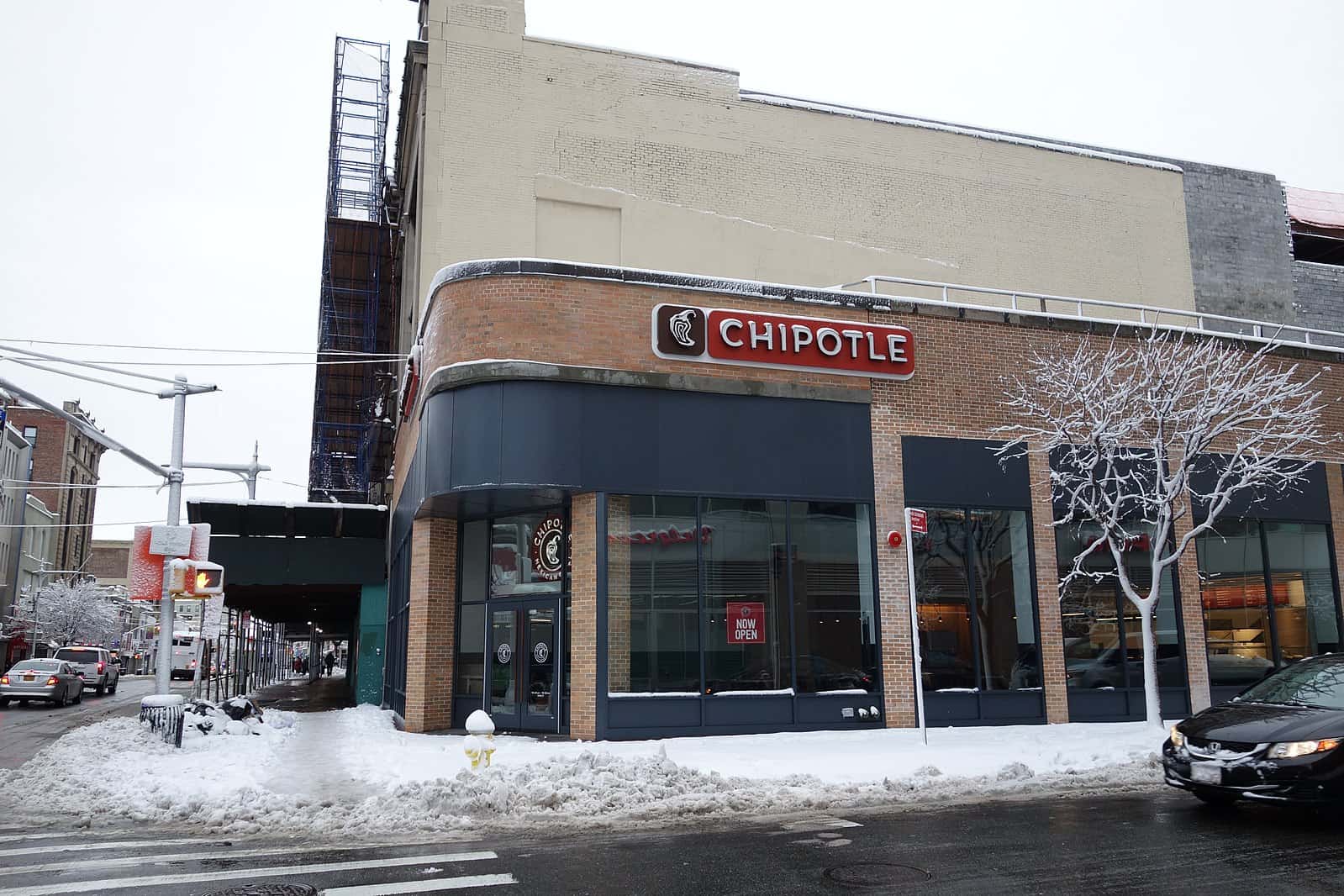
On Wednesday, Chipotle United workers filed a complaint with the NLRB alleging Chipotle closed down its Augusta, Maine location in retaliation for workers filing for a union. In late June, workers at the Maine store were the first Chipotle location to file for a union election, followed closely by a Michigan location filing in early July. The NLRB previously filed a complaint against Chipotle in 2019 and found that Chipotle had intimidated and fired workers who were attempting to unionize. Chipotle stated that the closure was not a union-busting move but was instead a result of staffing shortages.
Bloomberg reported that several staffing firms have filed suit against NLRB General Counsel Jennifer Abruzzo in federal court in Texas, arguing that Abruzzo’s memo against captive-audience meetings is unconstitutional. The lawsuit states that “[t]he new interpretation prohibits employers from speaking to employees about unionization” and “directly restricts employer speech on the basis of its content, viewpoint, and speaker.” As Tascha reported in April, Abruzzo’s memo stated that captive audience meetings where employees are cornered by management or forced to convene to hear anti-union rhetoric are unlawful under the NLRA. This interpretation would reverse decades of anti-union judicial precedent and potentially significantly embolden union elections.
In more labor news, workers at a Kellogg MorningStar manufacturing plant in Zanesville, Ohio filed a petition for union representation with the NLRB on Tuesday. The nearly 300 workers at the plant are seeking to organize with the Bakery, Confectionery, Tobacco, and Grain Millers International Union. A union representative said the workers are “fighting against mandatory overtime, favoritism, and high health-insurance costs.” Late last year, 1,400 workers at Kellogg, who are represented by the BCTGM as well, were on strike for nearly three months and negotiated to dismantle the two-tiered benefits system that Kellogg had imposed.





Daily News & Commentary
Start your day with our roundup of the latest labor developments. See all
October 16
Department of Labor reduces wage-and-hour enforcement at unionized workplaces; Fain's victory poses question of federal monitor's extension.
October 15
New reporting examines the rollback of child labor protections; California tries to block a strike; NLRB charges Wisconsin mental health provider with firing workers during union drive.
October 14
Eleventh Circuit overturns ERISA exhaustion rule; DHS finalizes removal of automatic renewal for work permits; AFGE challenges SSA over flexible scheduling policy.
October 13
Chicago hotel workers remain on strike; a coalition of Democratic states sues the Labor Department over canceled unemployment insurance grants; the Federal Labor Relations Authority establishes a new mediation framework for federal worker disputes.
October 12
Workers at the Obama Foundation begin organizing; MLB submits its latest collective bargaining agreement proposal; Brigham & Women's nurses postpone strike.
October 11
UAW President Shawn Fain succeeds in his reelection bid, and Spanish unions call for a general strike.