
Hannah Finnie is a writer in Washington, D.C. interested in the intersections of work and culture. She is a graduate of Harvard Law School.
Minneapolis teachers and staff are on day nine of their strike over higher, equitable pay and creating more protections for teachers and staffers of color. Black teachers and staffers went to district headquarters earlier this week alongside the Minneapolis NAACP to underscore the need for greater protections for educators and staffers of color.
The strike also has student support: around 100 students staged a sit-in at the school district headquarters, voicing support for the teachers and staffers’ demands. They eventually met with the school district superintendent.
The school district is trying to force an end to the strike by calling on teachers and staffers to return to work and promising that negotiations will continue while they’re working. The district also says that the strike is hurting children – a notion that students have pushed back on. A student who helped organize the sit-in told the StarTribune: “[District officials] talked a lot about how what the teachers are doing … is hurting our students. But it’s not really hurting us because we’re here to support our teachers, the same way that they’re here to support us.”
Minneapolis schools’ food service workers union also announced yesterday they reached a tentative deal with the school district, including a raise of up to 24% over three years. The agreement comes on the heels of the workers threatening to strike earlier this week.
Faculty at Howard University, a historically black university in Washington, D.C., have announced their intent to strike next week after their union said the university engaged in bad faith bargaining during contract negotiations.
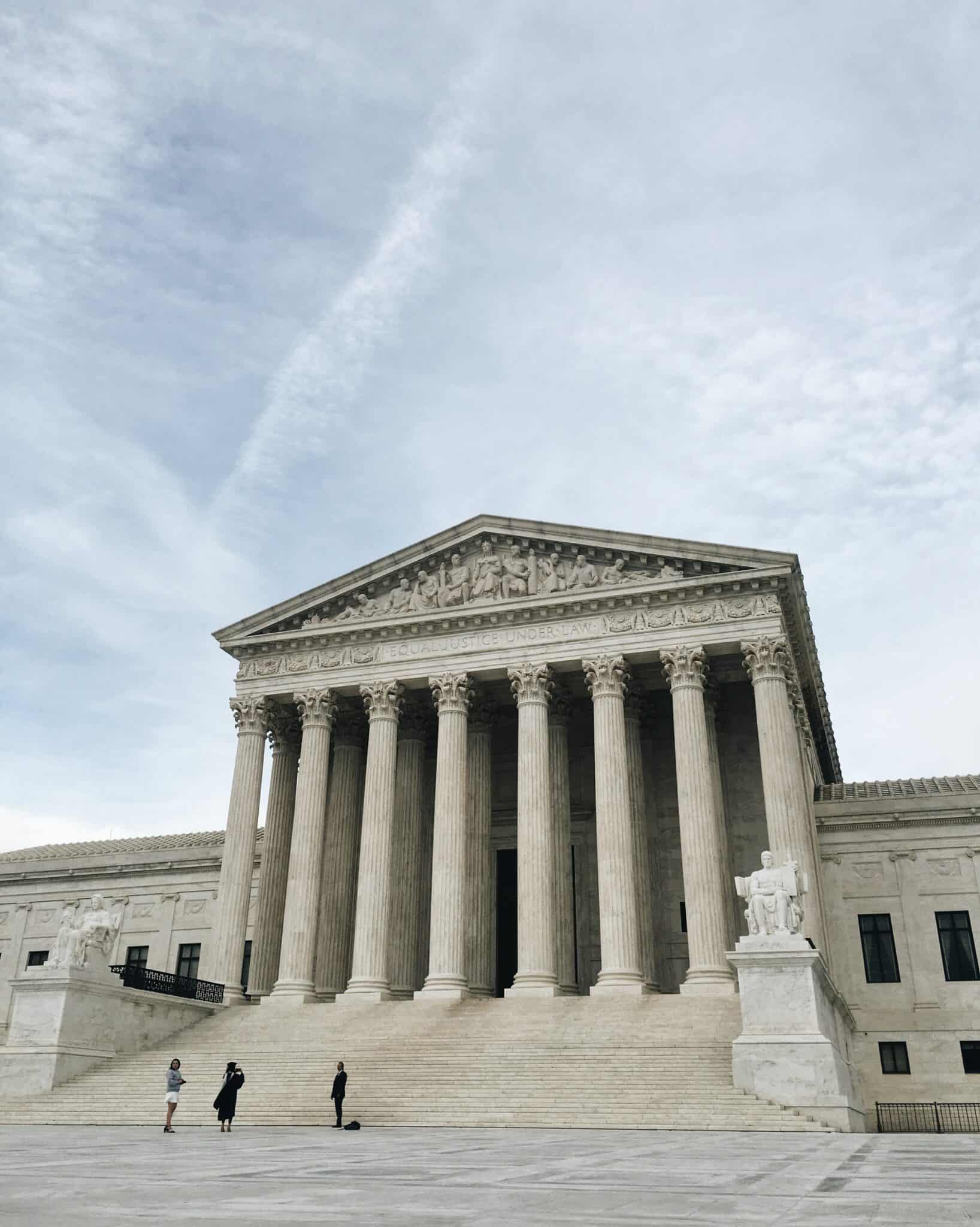
Finally, Congress heard testimony yesterday from various current and former employees of the federal court system who say that workplace harassment and discrimination runs rampant in the judiciary. Some lawmakers have already introduced legislation that would grant federal judiciary employees the same anti-discrimination rights other government employees already have, and would also protect whistleblowers. One of the people who testified said that under the Justice Department’s interpretation of the court’s current anti-discrimination rules, federal judiciary employees have no remedy if they are being discriminated against on the basis of their sex.
According to the Washington Post, the proposed law would “create an independent special counsel to investigate workplace complaints and report its findings to Congress and an oversight commission made up of people with experience enforcing civil rights laws.”
The judiciary has attempted to block the law, arguing that Congress should not interfere with how another branch of government chooses to govern itself.




Daily News & Commentary
Start your day with our roundup of the latest labor developments. See all
October 23
Employers increasingly shift health care costs onto workers and NYC proposes placing restrictions on fully automated customer service.
October 22
SCOTUS declines Wilcox appeal; Penn State research assistants win bargaining rights; SEIU sued over military leave firing.
October 21
DOL withdraws tipped-worker rule; Instacart settles hiring-bias claims; Phillips 66 locks out New Jersey refinery workers.
October 20
Korean unions oppose labor exemption bill; Portland city workers prepare for strike; UPenn grad student union looks to dismiss university filing
October 19
FDA reverses course on policy prohibiting off-duty union activity; FAA and NATCA reach deal to secure pay increase for air traffic controllers.
October 18
Federal judge again halts cancellation of the Bureau of Prisons’ CBA; tabletop gaming workers face roadblocks in union recognition.