
Anjali Katta is a student at Harvard Law School.
In today’s news and commentary, the NLRB sues New York, a flight attendant sues United, and the Third Circuit considers the employment status of Uber drivers
The NLRB sued New York to block a new law that would grant the state authority over private-sector labor disputes. As reported on recently by Finlay, the law, which was passed on September 5th, states that private-sector employees fall within the scope of the state’s Public Employment Relations (PERB) unless the NLRB asserts jurisdiction via a court order. The NLRB claims that the law is preempted by the NLRA, under precedent forth in Garmon, as it creates a conflicting, parallel system regulating private sector employees. Challenges to this law may hint at challenges to similar bills in California and Massachusetts.
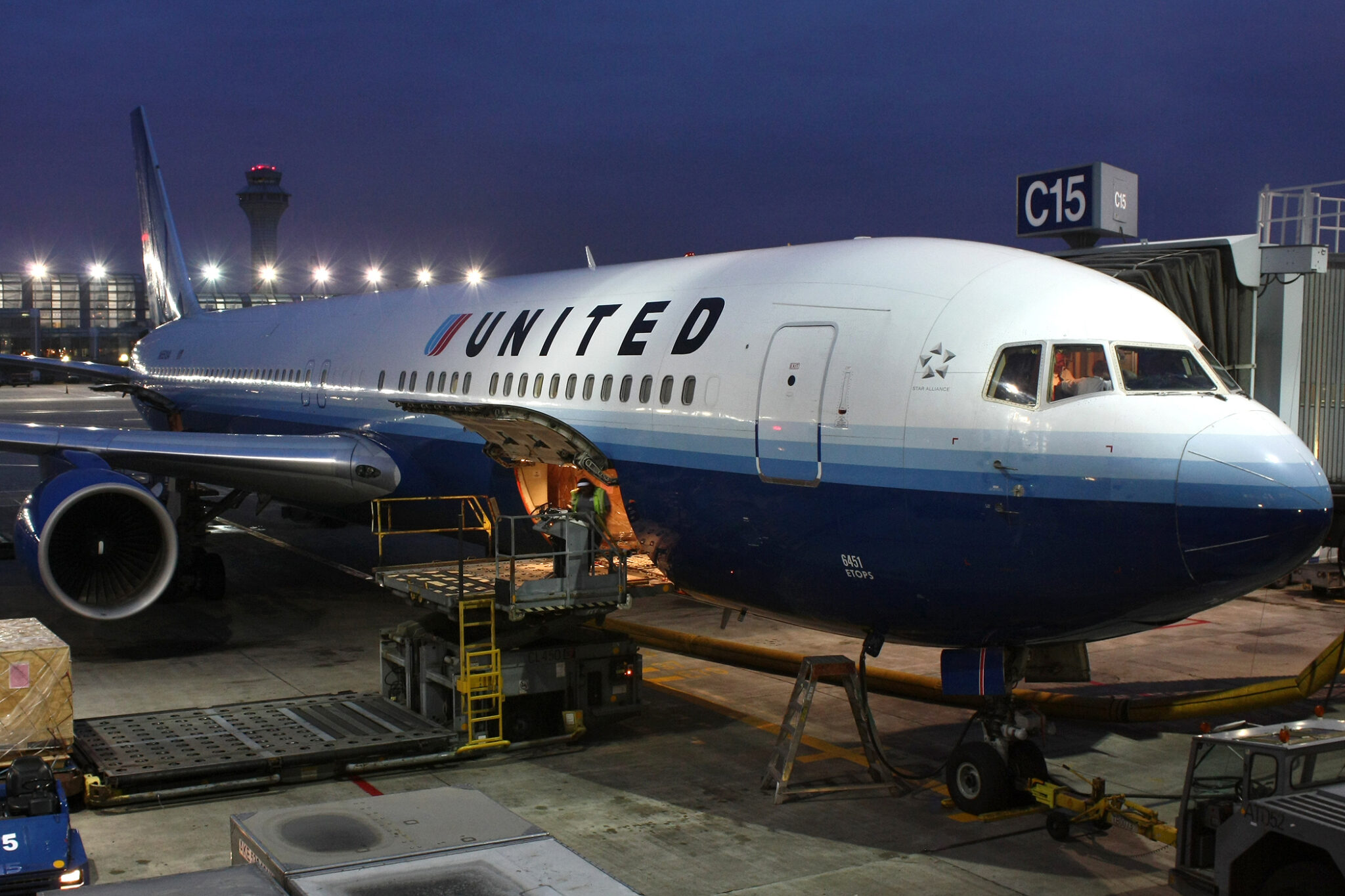
A former United Airlines flight attendant, Ava Lawrey, filed a class action lawsuit in New Jersey federal court, seeking damages for herself and around 1,000 New Jersey-based flight attendants. She alleges United violated state wage laws by failing to pay for time spent on essential duties outside ‘actual’ flight time which is defined as the period between aircraft door closure and opening. Lawrey claims she regularly worked 12-hour shifts with 2–4 unpaid hours for tasks like security, pre-flight meetings, debriefings, and layovers. The lawsuit seeks back pay, overtime, and penalties up to 200% of unpaid wages, along with injunctive relief to stop future violations.
The Third Circuit appeared unwilling to allow a third trial in a decade-long dispute over whether Uber misclassified drivers for its now-defunct service, Uber Black, as independent contractors. The former drivers have asked the Third Circuit to restore their case which was dismissed by a district court after two separate juries failed to reach a verdict. The Third Circuit Judges questioned how many trials should be allowed before a case is deemed futile. Uber’s attorney called a third trial unfair, while the former drivers’ lawyer argued that the issue’s public importance justifies continuing the case. The case could set precedent for app-based gig worker classification amid nationwide battles over gig workers’ status as independent contractors or employees.



Daily News & Commentary
Start your day with our roundup of the latest labor developments. See all
October 9
DHS proposes a $100k fee for the foreign grad employment program; Trump suspends tech company access to green card program; and private equity perpetuates poor working conditions for home care workers.
October 8
NLRB judge finds UPS unlawfully restricted union insignia; Harvard graduate workers authorize second strike; OSHA orders Union Pacific to pay $300,000 in damages in whistleblower case.
October 7
DOL scraps plan to remove decades-old wage-and-hour guidance from federal regulations; New York enacts personnel records access law; Starbucks loses bid to dismiss Workers United trademark suit.
October 6
Protect College Sports Act dampens athlete unionization outlook; Stanford RA union decides to withdraw petition
October 5
Delaware bans captive audience meetings; EEOC settles remote work national origin discrimination claim; First Circuit stays enforcement order in VA's dispute with AFGE.
October 4
Boston nurses announce open-ended strike; federal judge restores federal prison workers' union protections; St. Louis workers form the first movie theater union in Missouri.