Finlay Adamson is a student at Harvard Law School.
In today’s news and commentary, workers at Albertsons and Kroger in Washington State vote to authorize a strike; ICE agents arrest SEIU California President David Huerta during a protest; and a federal judge approves a $2.75 billion settlement allowing colleges to directly pay student-athletes.
Nearly 30,000 workers at Albertsons and Kroger-owned grocery stores in Washington State voted to reject the grocery stores’ latest contract proposal and authorize a strike on Friday. The workers, represented by United Food and Commercial Workers 3000, are in the process of negotiating a new three-year contract with the employers. An additional 4,500 workers represented by UFCW 367 in Southwestern Washington voted to authorize a strike based on allegations of unfair labor practices by Albertsons and Kroger during contract negotiations. While the authorization vote does not guarantee a strike, it marks a growing tension between the parties in a bargaining process that began this January. Bargaining between the union and stores resumes on June 12. Albertsons and Kroger own over 50% of grocery stores in Washington State; last year, Kroger attempted to acquire Albertsons for $24.6 billion in what would have been the largest grocery store merger in American history. The deal, heavily opposed by UFCW 3000, ultimately collapsed after it was temporarily halted by federal and state courts.
ICE agents arrested and injured SEIU California President David Huerta as he peacefully observed a protest in Los Angeles on Friday. Protests in downtown LA began in reaction to a series of ICE raids earlier that day, during which agents detained at least 44 people. Video of the protest shows agents pushing Huerta to the ground as he held his hands on his hips; agents then pinned and handcuffed him, inflicting a head injury. Huerta was recently released from the hospital following treatment, but he remains in police custody. A U.S. attorney for the Central District of California claimed on X that Huerta would face arraignment in federal court on Monday for “interfering with federal officers.” In an SEIU press statement, Huerta declared that “what happened to me is not about me; this is about something much bigger. This is about how we as a community stand together and resist the injustice that’s happening. Hard-working people, and members of our family and our community, are being treated like criminals.”
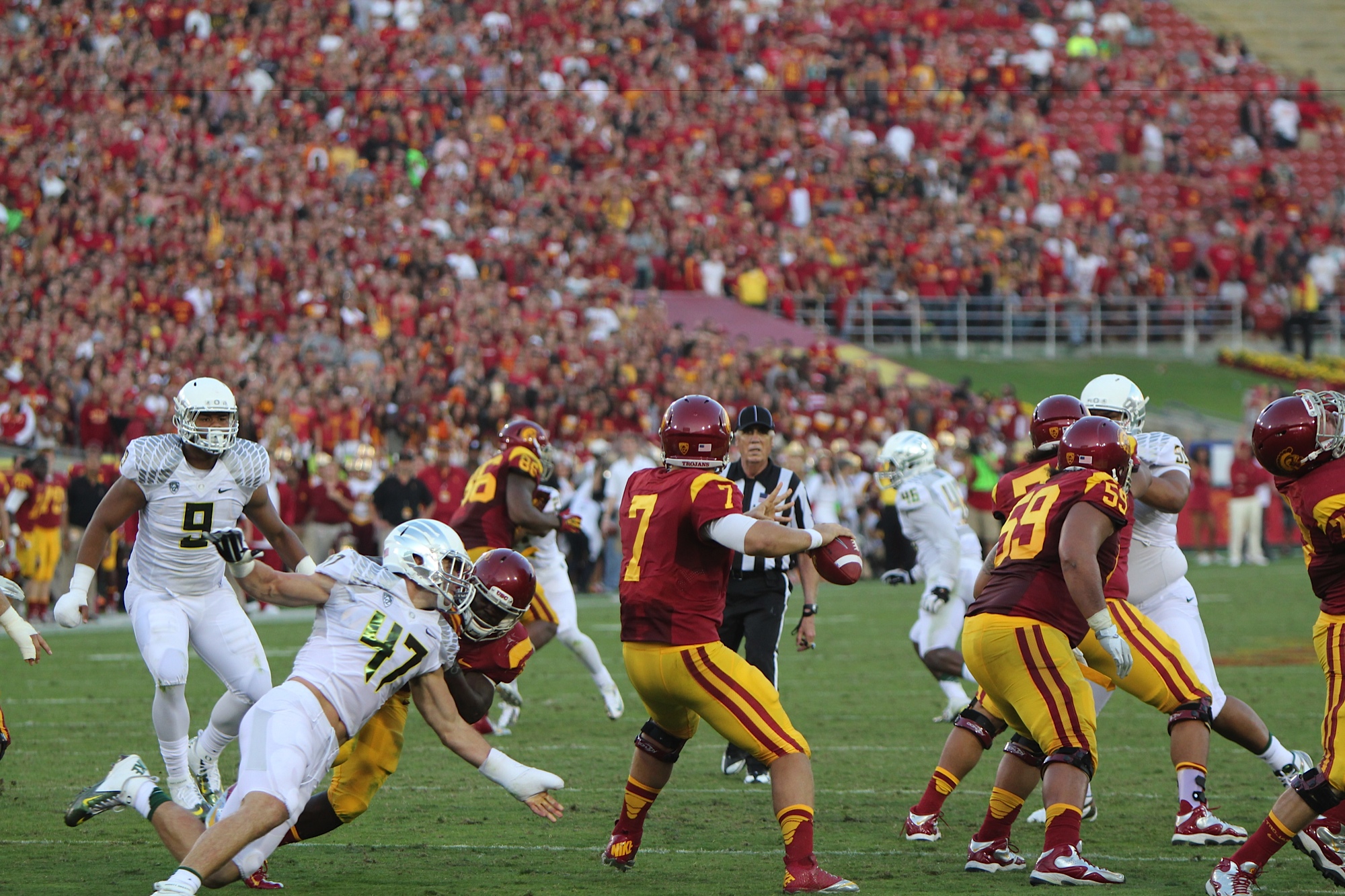
On Friday, a federal judge approved the terms of House v. NCAA, an antitrust settlement that will allow colleges and universities to directly pay student-athletes starting July 1. As part of the settlement, the NCAA and its conferences will pay $2.75 billion in back damages to thousands of Division I athletes who played since 2016. The NCAA permitted student-athletes to earn money by signing Name, Image, and Likeness (NIL) deals with corporate sponsors in 2021; the House settlement does not affect the ability of athletes to sign NIL deals, but allows schools to share with athletes payments worth up to 22% of their average athletic revenue.





Daily News & Commentary
Start your day with our roundup of the latest labor developments. See all
October 19
FDA reverses course on policy prohibiting off-duty union activity; FAA and NATCA reach deal to secure pay increase for air traffic controllers.
October 18
Federal judge again halts cancellation of the Bureau of Prisons’ CBA; tabletop gaming workers face roadblocks in union recognition.
October 16
Department of Labor reduces wage-and-hour enforcement at unionized workplaces; Fain's victory poses question of federal monitor's extension.
October 15
New reporting examines the rollback of child labor protections; California tries to block a strike; NLRB charges Wisconsin mental health provider with firing workers during union drive.
October 14
Eleventh Circuit overturns ERISA exhaustion rule; DHS finalizes removal of automatic renewal for work permits; AFGE challenges SSA over flexible scheduling policy.
October 13
Chicago hotel workers remain on strike; a coalition of Democratic states sues the Labor Department over canceled unemployment insurance grants; the Federal Labor Relations Authority establishes a new mediation framework for federal worker disputes.