
Finlay Adamson is a student at Harvard Law School.
In today’s news and commentary, the Department of Veterans Affairs re-terminates its collective bargaining agreement despite a preliminary injunction, and the Federal Labor Relations Authority announces new rules increasing the influence of political appointees over federal labor relations.
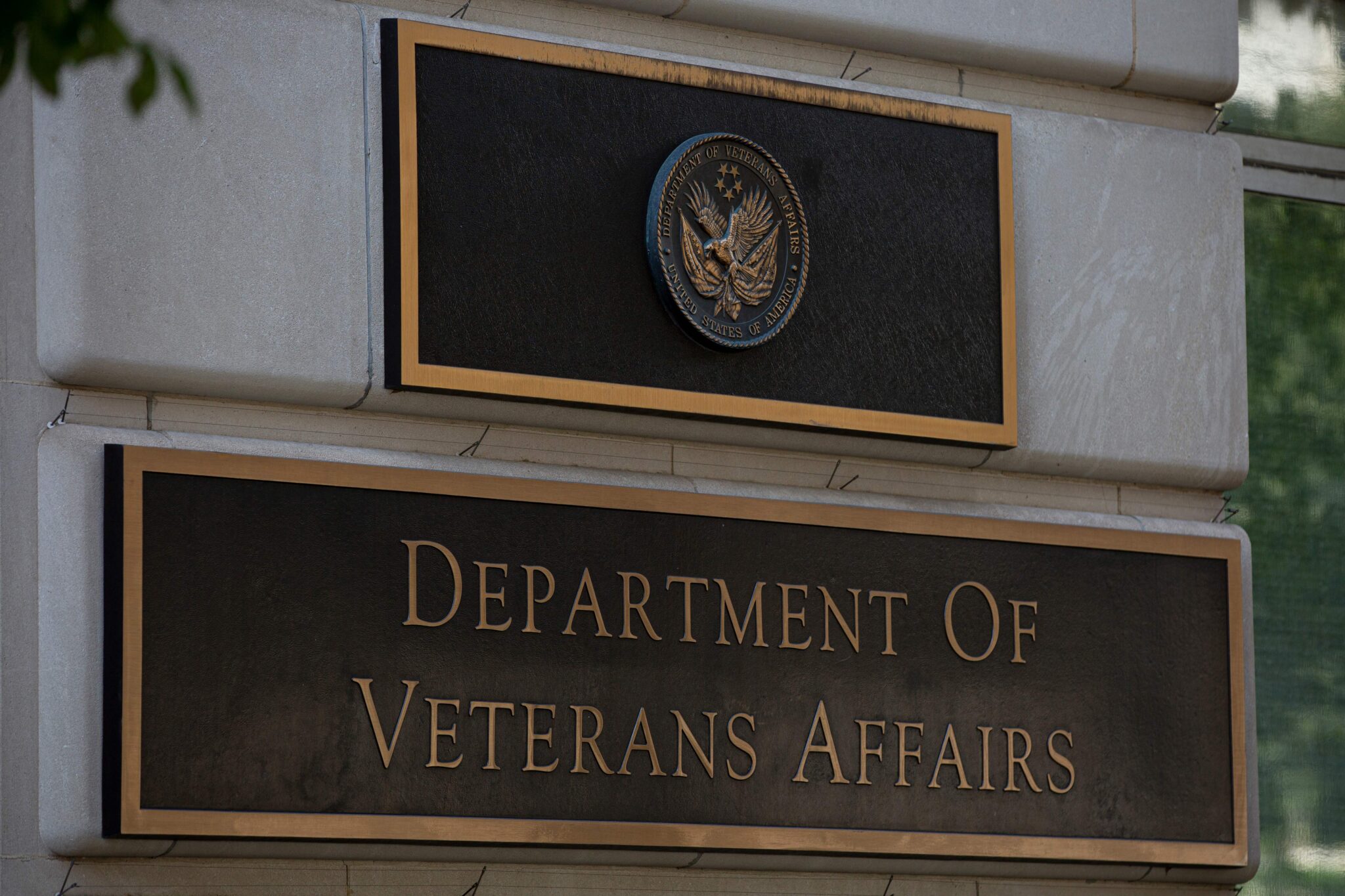
The Department of Veterans Affairs (VA) re-terminated its collective bargaining agreement with the American Federation of Government Employees (AFGE) this week. The Department’s action comes after the United States District Court for the District of Rhode Island issued a preliminary injunction earlier this month ordering the VA to reinstate the CBA. While the Department technically did so, AFGE reported last week that agency officials “continued to deny employees union representation during disciplinary proceedings and even CBA-mandated paid parental leave.” On Thursday, the VA issued a new notice declaring that it would re-terminate the agreement, seemingly in an attempt to prevent AFGE from enforcing the first preliminary injunction. Following this action, District Court Judge Melissa DuBose issued a new order for the VA to enforce the injunction on Friday, and indicated that she was considering holding the Department in contempt of court.
Earlier this week, the Federal Labor Relations Authority (FLRA) announced new rules that will increase the influence of political appointees over federal employee union representation issues. The two interim final rules will increase the power that FLRA’s three member board of political appointees will have over defining bargaining units, certifying new union chapters, and overseeing union elections among the federal workforce. These changes upend forty years of precedent where FLRA career staff were primarily responsible for such issues. Additionally, by issuing the changes as interim final rules, the agency avoided processing through the notice and comment period. Everett Kelley, national president of the American Federation of Government Employees, argued that the changes will “eliminate the non-partisan, non-political decision-making process that currently governs who can and can’t be represented by a union.”




Daily News & Commentary
Start your day with our roundup of the latest labor developments. See all
October 13
Chicago hotel workers remain on strike; a coalition of Democratic states sues the Labor Department over canceled unemployment insurance grants; the Federal Labor Relations Authority establishes a new mediation framework for federal worker disputes.
October 12
Workers at the Obama Foundation begin organizing; MLB submits its latest collective bargaining agreement proposal; Brigham & Women's nurses postpone strike.
October 11
UAW President Shawn Fain succeeds in his reelection bid, and Spanish unions call for a general strike.
October 9
DHS proposes a $100k fee for the foreign grad employment program; Trump suspends tech company access to green card program; and private equity perpetuates poor working conditions for home care workers.
October 8
NLRB judge finds UPS unlawfully restricted union insignia; Harvard graduate workers authorize second strike; OSHA orders Union Pacific to pay $300,000 in damages in whistleblower case.
October 7
DOL scraps plan to remove decades-old wage-and-hour guidance from federal regulations; New York enacts personnel records access law; Starbucks loses bid to dismiss Workers United trademark suit.