
Elias Decker is a student at Harvard Law School.
In today’s news and commentary, Teamsters re-elect Sean O’Brien, and Teamsters and DOJ jointly move to end federal monitorship.
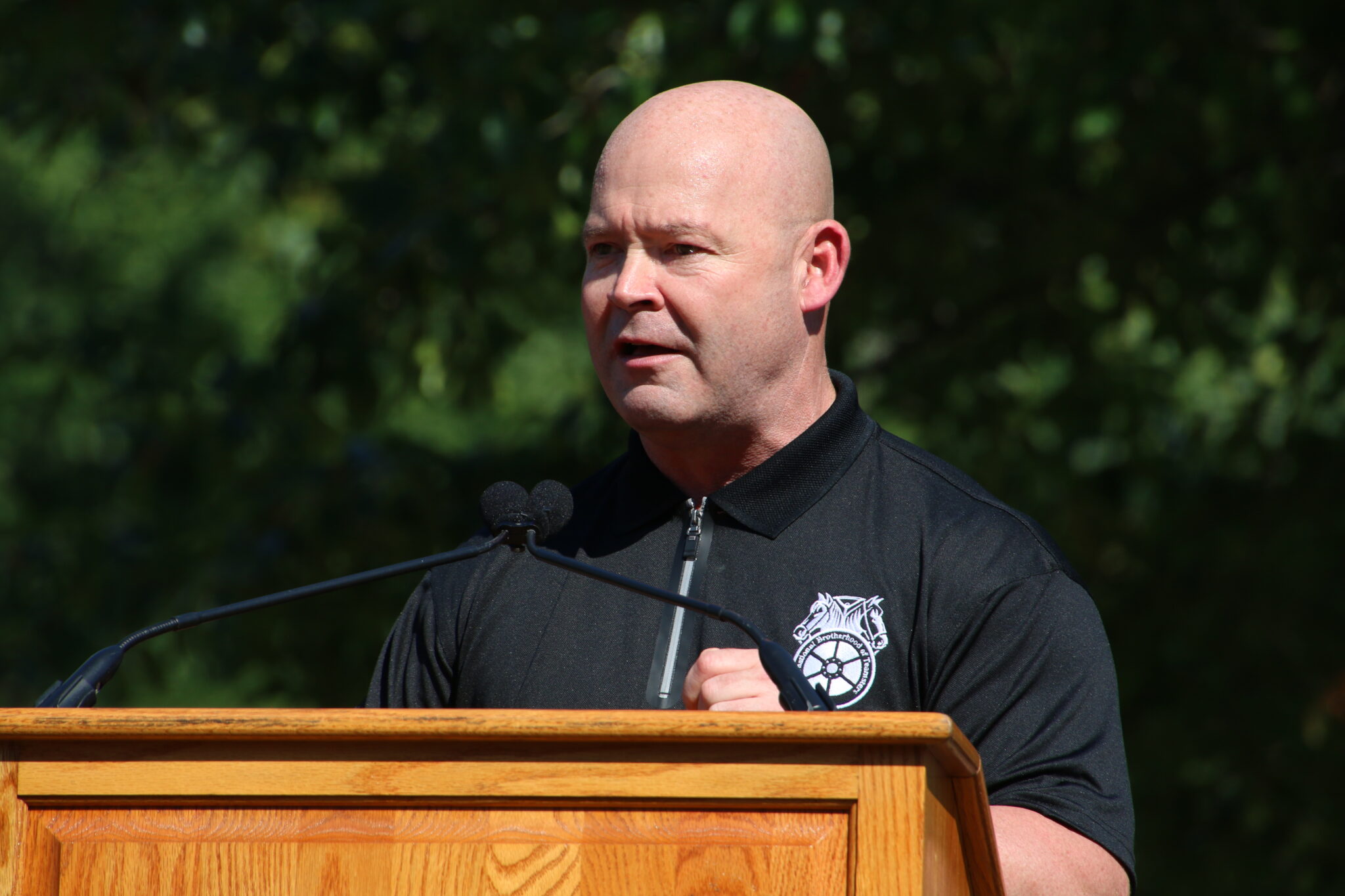
On Tuesday, June 16th, the International Brotherhood of Teamsters re-elected Sean O’Brien as their General President. Originally elected to his first five-year term in 2021, he defeated James P. Hoffa’s chosen successor: Steve Vairma. He ran on taking a more militant approach overall, focusing on the upcoming contract fight with UPS and the prospect of organizing Amazon workers. At both UPS and Amazon, the Teamsters have seen success. In this year’s election, held at the union’s convention in Las Vegas, O’Brien ran unopposed; O’Brien’s only potential challenger, running on his left, garnered too few votes to be placed on the ballot. This victory comes despite internal criticism from members about O’Brien’s closer relationship with the Republican Party, exemplified by his speaking appearance at the 2024 Republican National Convention and influential support for former Labor Secretary Chavez-DeRemer. Potentially addressing this tension in his post-election speech, O’Brien called for unity: “The noise online must come to an end. No more tearing each other down. The only people who benefit when we fight amongst ourselves are the employers sitting across the table from us.”
On Wednesday, June 17th, the Teamsters and DOJ jointly moved to end the federal monitorship of the union that has lasted nearly 40 years. The monitorship followed a 1989 settlement to a case brought by then-U.S. Attorney Rudy Giuliani. That case alleged a “campaign of fear” that flowed from the mafia’s control over the union, using it for racketeering. In 2015, the parties entered a “Final Agreement” that provided for the gradual phasing out of the monitorship. Part of that agreement established the roles of “Independent Investigations Officer” and an “Independent Review Officer” who could discipline Teamster members and require compliance with the union’s constitution. Wednesday’s joint filing moved for the dissolution of these positions. It asserts that “the IBT has demonstrated its ability to conduct effective internal investigations and audits” and that “it is appropriate at this point to eliminate the IIO role and further reduce the Government’s and Court’ s role in the IBT’s disciplinary and electoral functions.” The court — the Southern District of New York — has not yet ruled on this motion.





Daily News & Commentary
Start your day with our roundup of the latest labor developments. See all
October 13
Chicago hotel workers remain on strike; a coalition of Democratic states sues the Labor Department over canceled unemployment insurance grants; the Federal Labor Relations Authority establishes a new mediation framework for federal worker disputes.
October 12
Workers at the Obama Foundation begin organizing; MLB submits its latest collective bargaining agreement proposal; Brigham & Women's nurses postpone strike.
October 11
UAW President Shawn Fain succeeds in his reelection bid, and Spanish unions call for a general strike.
October 9
DHS proposes a $100k fee for the foreign grad employment program; Trump suspends tech company access to green card program; and private equity perpetuates poor working conditions for home care workers.
October 8
NLRB judge finds UPS unlawfully restricted union insignia; Harvard graduate workers authorize second strike; OSHA orders Union Pacific to pay $300,000 in damages in whistleblower case.
October 7
DOL scraps plan to remove decades-old wage-and-hour guidance from federal regulations; New York enacts personnel records access law; Starbucks loses bid to dismiss Workers United trademark suit.