
Morgan Sperry is a student at Harvard Law School and also serves as OnLabor's Social Media Director.
In today’s news and commentary, the Yellow trucking company has shut down, laying off 22,000 Teamsters, and Senator Fetterman has introduced legislation that would extend SNAP benefits to striking workers.
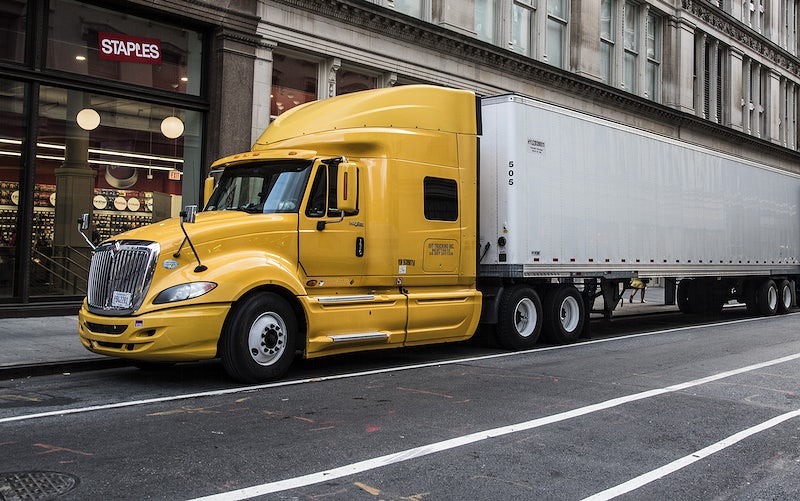
Yellow, one of the largest freight trucking companies in the United States, has shut down and laid off all of its employees only three years after the Trump Administration gave it a $700 million pandemic bailout. Yellow employed 22,000 Teamsters and had been negotiating a new contract—focused on increased wages and improved health care and pension benefits—with the union. (At one point, Yellow’s management went so far as to ask a federal judge to intervene against the union to prevent a strike.)
Senator Fetterman (D-PA) is introducing legislation to extend SNAP benefits to striking workers. Currently, workers on strike are ineligible for SNAP benefits unless they collected food stamps prior to striking. The Food Secure Strikers Act of 2023 would repeal a restriction on striking workers receiving SNAP benefits, protect food stamp eligibility for public-sector workers fired for striking, and clarify that any income-eligible household can receive SNAP benefits even if a member of that household is on strike. This summer’s strikes have resurfaced the issue of food insecurity as many workers have struggled to access strike funds and other mutual aid.




Daily News & Commentary
Start your day with our roundup of the latest labor developments. See all
October 11
UAW President Shawn Fain succeeds in his reelection bid, and Spanish unions call for a general strike.
October 9
DHS proposes a $100k fee for the foreign grad employment program; Trump suspends tech company access to green card program; and private equity perpetuates poor working conditions for home care workers.
October 8
NLRB judge finds UPS unlawfully restricted union insignia; Harvard graduate workers authorize second strike; OSHA orders Union Pacific to pay $300,000 in damages in whistleblower case.
October 7
DOL scraps plan to remove decades-old wage-and-hour guidance from federal regulations; New York enacts personnel records access law; Starbucks loses bid to dismiss Workers United trademark suit.
October 6
Protect College Sports Act dampens athlete unionization outlook; Stanford RA union decides to withdraw petition
October 5
Delaware bans captive audience meetings; EEOC settles remote work national origin discrimination claim; First Circuit stays enforcement order in VA's dispute with AFGE.