
Anjali Katta is a student at Harvard Law School.
In today’s news and commentary, SEIU advocates for a wealth tax, the DOL gets a budget increase, and the NLRB struggles with its workforce.
The SEIU United Healthcare Workers West is advancing a California ballot initiative to impose a one-time 5% tax on personal wealth above $1 billion, aiming to raise funds for the state’s health-care system. The proposal has alarmed Silicon Valley billionaires and drawn opposition from Governor Gavin Newsom, who argues it would trigger capital flight. The union plans to collect nearly 900,000 signatures to qualify the measure for the November ballot, using California’s initiative system as leverage to force negotiations. Supporters say the tax is necessary to offset federal Medicaid cuts and protect hospital access, while critics view it as political coercion. The campaign underscores how well-funded unions increasingly use ballot initiatives to pressure lawmakers and corporate interests, often prompting costly opposition campaigns or legislative compromises before voters ever weigh in.
A bipartisan spending bill would increase the DOL’s budget by $65 million for fiscal year 2026. The package boosts funding for job training and apprenticeship programs while trimming DOL’s enforcement budget by $13 million, including reductions at OSHA and the Office of Federal Contract Compliance Programs. The bill preserves Office of Federal Contract Compliance Programs (OFCCP) despite White House efforts to defund it, though critics say the agency remains limited in power. It also proposes a $5 million cut to the NLRB’s budget. New language would require DOL to maintain sufficient staffing to meet its statutory duties, potentially limiting future layoffs.
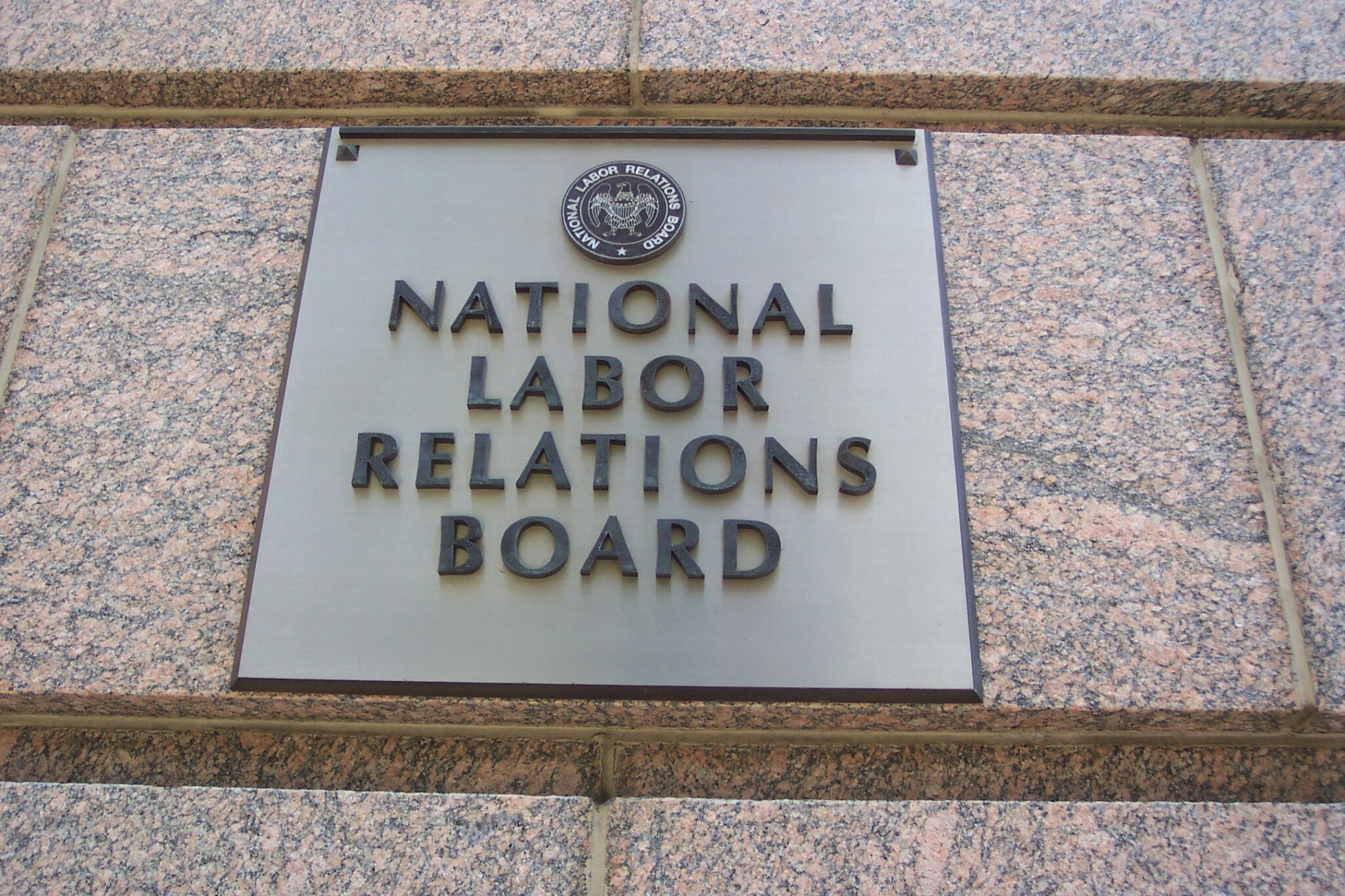
The National Labor Relations Board has lost more than 150 employees over the past year while hiring only eight, shrinking its workforce by over 10% and straining its enforcement capacity. Although the agency regained a quorum to decide cases with two new members, staffing losses which were driven by retirements, resignations, and a hiring freeze, have left the agency understaffed. The agency has amassed a backlog of roughly 500 cases and former officials warn it may grow despite the Board’s restored quorum. Departures of administrative law judges and senior staff further hinder case processing, while looming budget cuts limit hiring. Staffing shortages have hit regional offices unevenly, leaving many leadership positions vacant and enforcement uneven.





Daily News & Commentary
Start your day with our roundup of the latest labor developments. See all
October 15
New reporting examines the rollback of child labor protections; California tries to block a strike; NLRB charges Wisconsin mental health provider with firing workers during union drive.
October 14
Eleventh Circuit overturns ERISA exhaustion rule; DHS finalizes removal of automatic renewal for work permits; AFGE challenges SSA over flexible scheduling policy.
October 13
Chicago hotel workers remain on strike; a coalition of Democratic states sues the Labor Department over canceled unemployment insurance grants; the Federal Labor Relations Authority establishes a new mediation framework for federal worker disputes.
October 12
Workers at the Obama Foundation begin organizing; MLB submits its latest collective bargaining agreement proposal; Brigham & Women's nurses postpone strike.
October 11
UAW President Shawn Fain succeeds in his reelection bid, and Spanish unions call for a general strike.
October 9
DHS proposes a $100k fee for the foreign grad employment program; Trump suspends tech company access to green card program; and private equity perpetuates poor working conditions for home care workers.