
Ted Parker is a student at Harvard Law School and a member of the Labor and Employment Lab.
In today’s news and commentary, the Equal Employment Opportunity Commission (EEOC) looks to change its voting procedures, workers tell the Supreme Court not to take two collective action cases, and predictions on Zohran Mamdani’s changes to New York City’s wage policies.
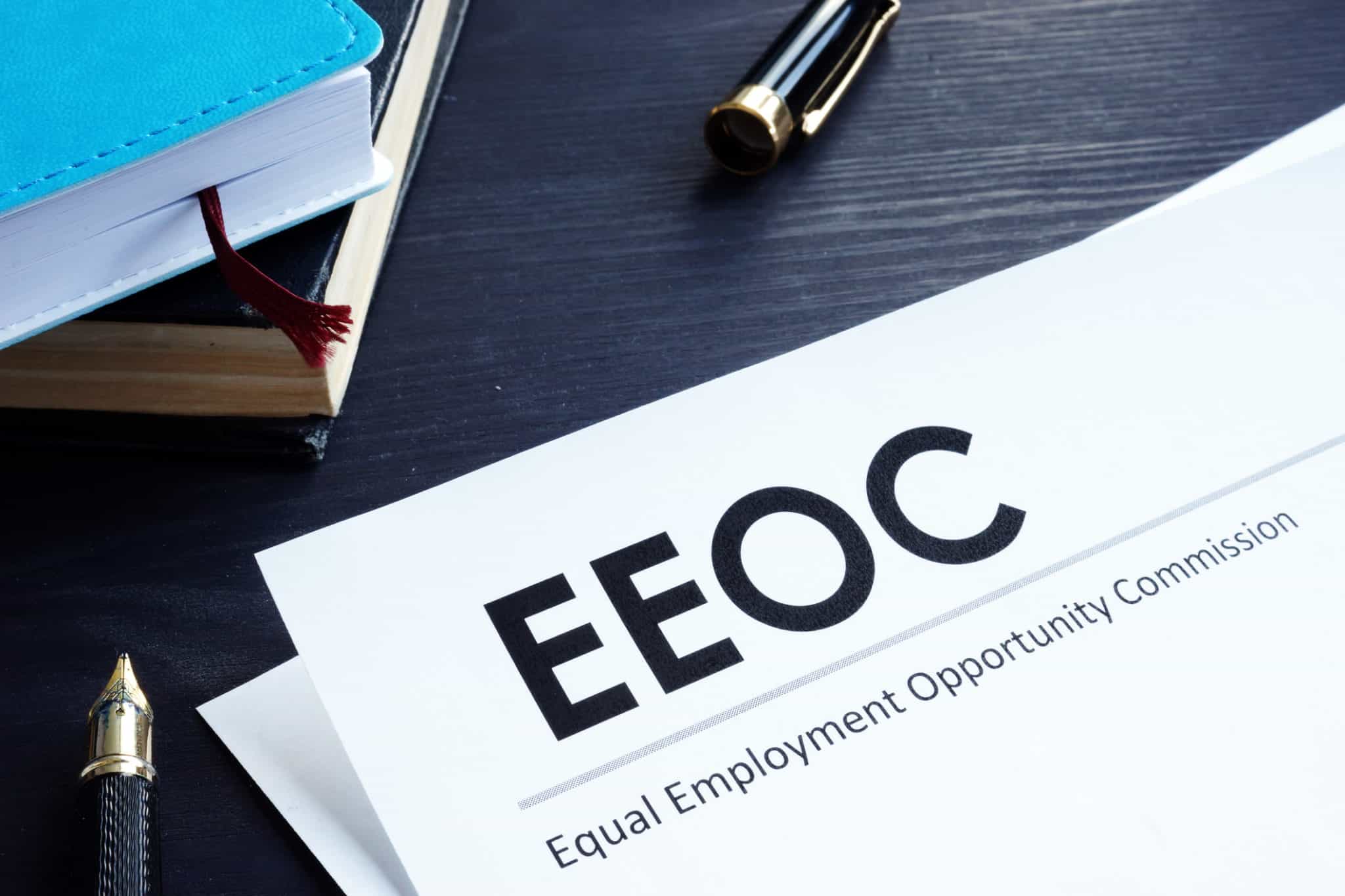
The EEOC announced last week that it will host a public meeting this Wednesday to consider rescinding the Commission’s current voting procedures. According to reporting in Bloomberg, this move “could consolidate more power under Republican Chair Andrea Lucas.” The Commission, which is currently composed of one Democratic and two Republican appointees, votes on big ticket items such as issuing new regulations and bringing significant cases. Rescinding the current voting procedures likely won’t change the outcomes of these votes, but it could allow the Republican majority to act more quickly. Under the current rules, commissioners are given 10 business days to consider litigation recommendations and 30 days to consider major policy documents. Additionally, any commissioner can request that the Commission hold an official meeting before it votes on an item. While the sole Democratic appointee cannot outvote the Republican majority, she could, under the current procedures, slow it down by insisting on observing these consideration periods and on holding official meetings before voting. Rescinding these procedures would grease the wheels for the Republican majority to advance Trump’s agenda at the EEOC.
As the Supreme Court mulls two certiorari petitions on the proper procedure for certifying collective actions, the workers in both cases ask the Court not to decide the issue. As I have explained elsewhere, the circuit split over this procedure could have dramatic consequences for workers suing their employers for wage theft under the Fair Labor Standards Act (FLSA). In one case, Harrington v. Cracker Barrel Old Country Store, where the Ninth Circuit reaffirmed the traditional, worker-friendly procedure, the workers argue that Cracker Barrel did not raise the issue below, the Ninth Circuit did not reach it, and resolving the split would be premature. In a second case, Richards v. Eli Lilly, where the Seventh Circuit opted for a novel, “flexible” approach, the workers argue that this Age Discrimination in Employment Act (ADEA) case is the “wrong vehicle” to resolve an issue that will mostly affect FLSA litigation and that there was no urgent need to resolve the split.
Finally, Law360 reports that New York City mayor Zohran Mamdani is expected to make changes to the city’s wage policies. Mamdani campaigned on a $30 minimum wage for the city, up from the state’s $17 an hour. While a wage hike without state approval might be open to legal challenge, Mamdani is not likely to give up in advance. Next, as Meredith reported, Mamdani has appointed Julie Su as deputy mayor for economic justice, who is predicted to be tough on enforcement and specially concerned with worker misclassification. Finally, Mamdani’s administration, in conjunction with the City Council, is expected to increase protections for app-based workers.




Daily News & Commentary
Start your day with our roundup of the latest labor developments. See all
October 22
SCOTUS declines Wilcox appeal; Penn State research assistants win bargaining rights; SEIU sued over military leave firing.
October 21
DOL withdraws tipped-worker rule; Instacart settles hiring-bias claims; Phillips 66 locks out New Jersey refinery workers.
October 20
Korean unions oppose labor exemption bill; Portland city workers prepare for strike; UPenn grad student union looks to dismiss university filing
October 19
FDA reverses course on policy prohibiting off-duty union activity; FAA and NATCA reach deal to secure pay increase for air traffic controllers.
October 18
Federal judge again halts cancellation of the Bureau of Prisons’ CBA; tabletop gaming workers face roadblocks in union recognition.
October 16
Department of Labor reduces wage-and-hour enforcement at unionized workplaces; Fain's victory poses question of federal monitor's extension.