
Elias Decker is a student at Harvard Law School.
In today’s news and commentary, SEIU Local 32BJ and Northwell Health pioneer new health insurance model, Long Island Rail Road unions and state approach a strike, and Starbucks prevails against NRLB in Fifth Circuit.
On May 1st, a new kind of health insurance agreement between SEIU Local 32BJ’s Health Fund, which has over 170,000 participants, and Northwell Health, took effect. This agreement features direct contracting between those who pay for healthcare, i.e., employers and workers, and those who provide it. This contrasts against the traditional model, which had multiple middlemen between healthcare payers and healthcare providers. Apart from severe costs of healthcare to the average American worker and their family, this traditional model has also raised employer costs for worker healthcare to an average of $18,500 per employee per year. The 32BJ Health Fund and Northwell say that cutting out these middlemen will slash these costs. The 32BJ Health Fund anticipates a 20% drop in costs, of a savings of $46 million, in the contract’s first year. For members: in-network inpatient copays will drop from $1000 to $100 and outpatient copays from $250 to $75 and copays for Northwell providers will go from $40 to $0, which totals an estimated $5 million saved annually by plan members. Both SEIU 32BJ and Northwell hope that this plan can serve as an inspiration for unions and healthcare providers across the country to opt for direct-contracting plans to cut costs to plans and workers.
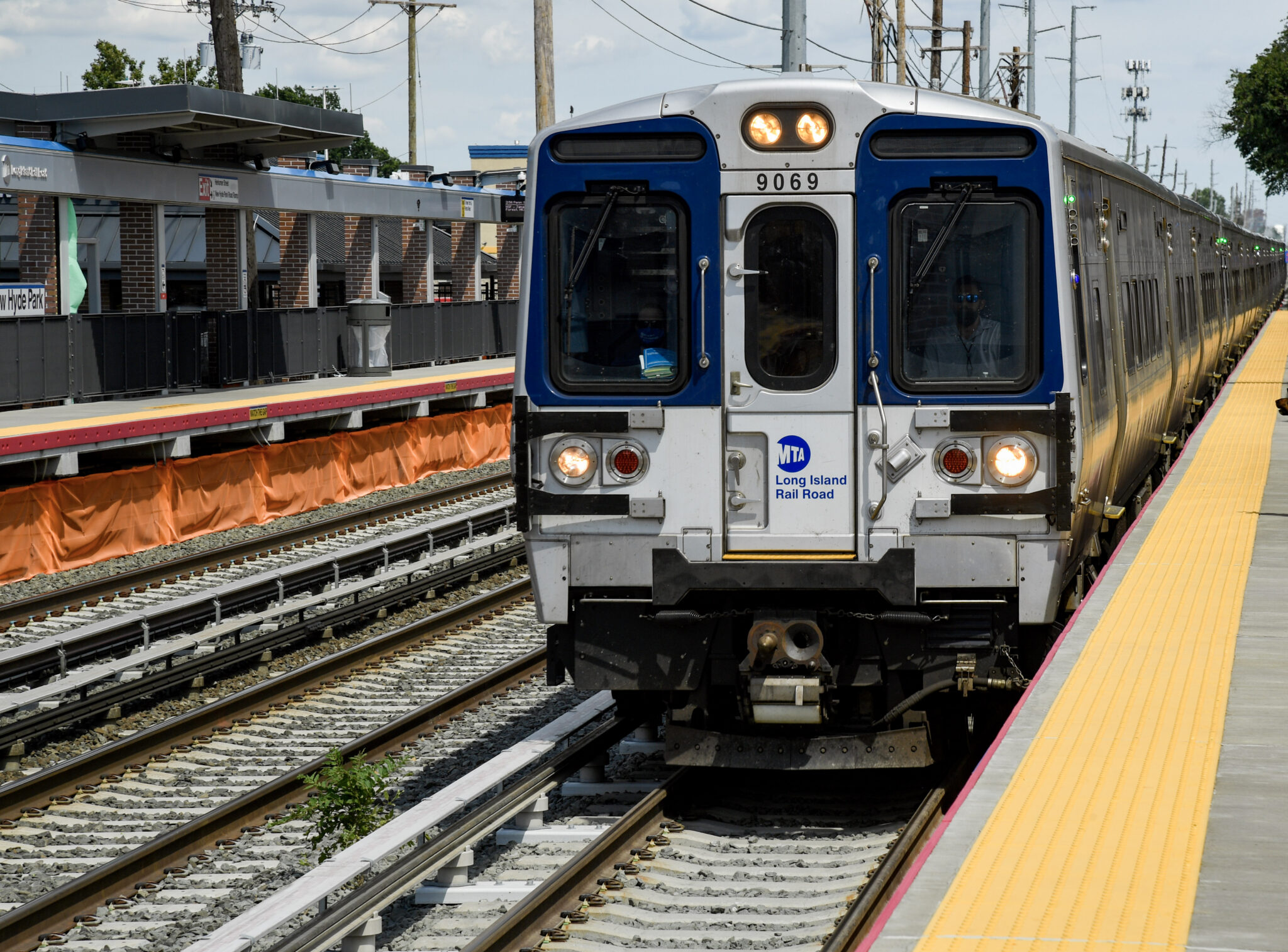
If the coalition of five unions representing LIRR workers and the Metropolitan Transit Authority do not reach an agreement by 12:01a ET on Saturday, May 16, workers will shut down the largest commuter rail system in the country. The parties failed to come to an agreement after two rounds of federal mediation. The bargaining stalemate almost came to a strike in September, 2025, but the federal government intervened and extended the deadline to tomorrow. The bargaining and strike threat are operating in the shadow of the Railway Labor Act, not the NLRA. The RLA differs, in relevant part, from the NLRA in that strike authorization must follow stricter procedures and timelines than under the NLRA. But once this threshold has been passed, there’s little an employer can do to avert a strike, beyond going to Congress, which occurred in 2022 to avoid the looming nationwide rail strike. This reflects the economic impact that a rail strike can have. The LIRR is the worlds largest commuter rail system, and commutes many of NYC’s suburban workers to their workplaces. Alexander Heil, former chief economist for the Port Authority of New York and New Jersey, said that “The regional economy depends on mobility of workers.” Along similar lines, New York Governor Kathy Hochul has encouraged as many LIRR commuters as possible to begin working from home, though Heil points out that this is not an option for workers in many professions.
On May 14, the Fifth Circuit vacated an NLRB decision violated labor law when it fired a pro-union shift supervisor at one of its Albany, N.Y., locations. This is one of six cases where Starbucks is challenging adverse NLRB decisions in the Fifth Circuit where the underlying conduct occurred outside of the Fifth Circuit. So far, Starbucks has won the two cases (including this one) wherein the Circuit has reached a decision. The court’s reasoning said that the NLRB failed to prove that Starbucks fired the worker for his pro-union activity and not for a range of other policy violations. This case was remanded to the NLRB, but Judge Oldham, in his concurrence, argued that the decision should not be remanded at that it evidenced “yet another example of the Board’s troubling tendencies.” This is not the first time that Judge Oldham, a Trump appointee, has harshly criticized the Board. This echoes the August, 2025, SpaceX decision, where the Fifth Circuit held that the NLRB was likely unconstitutional, though Judge Oldham was not on that case.


Daily News & Commentary
Start your day with our roundup of the latest labor developments. See all
September 17
Unions push to block Google from buying Spirit Airlines employment records; U.S. Department of Labor sues Oklahoma coffee chain over alleged wage violations.
September 16
Trump nominates Catherine Eschbach as EEOC general counsel; NLRB declines to resolve union work-assignment dispute; Allina Health physicians begin four-day strike.
September 15
Documents reveal the inner workings of Amazon's union avoidance program; Washington state public sector unions reach tentative deals amid a difficult bargaining cycle; hundreds of Nevada Culinary Union members protest their union's health care changes.
September 14
NCAA and Big Ten file motion to dismiss in former star player's NIL suit; Seventh Circuit rules against former postal worker in discrimination suit.
September 13
Documents released on the 25th anniversary of the 9/11 attacks show that city officials encouraged workers to return to Ground Zero despite knowing the risks of asbestos exposure, and new polls demonstrate continued widespread support for labor unions.
September 10
Amazon workers allege pregnancy discrimination; federal unions challenge USDA reorganization; NYC warns of silicosis risks.