
Mila Rostain is a student at Harvard Law School and the Digital Director of OnLabor.
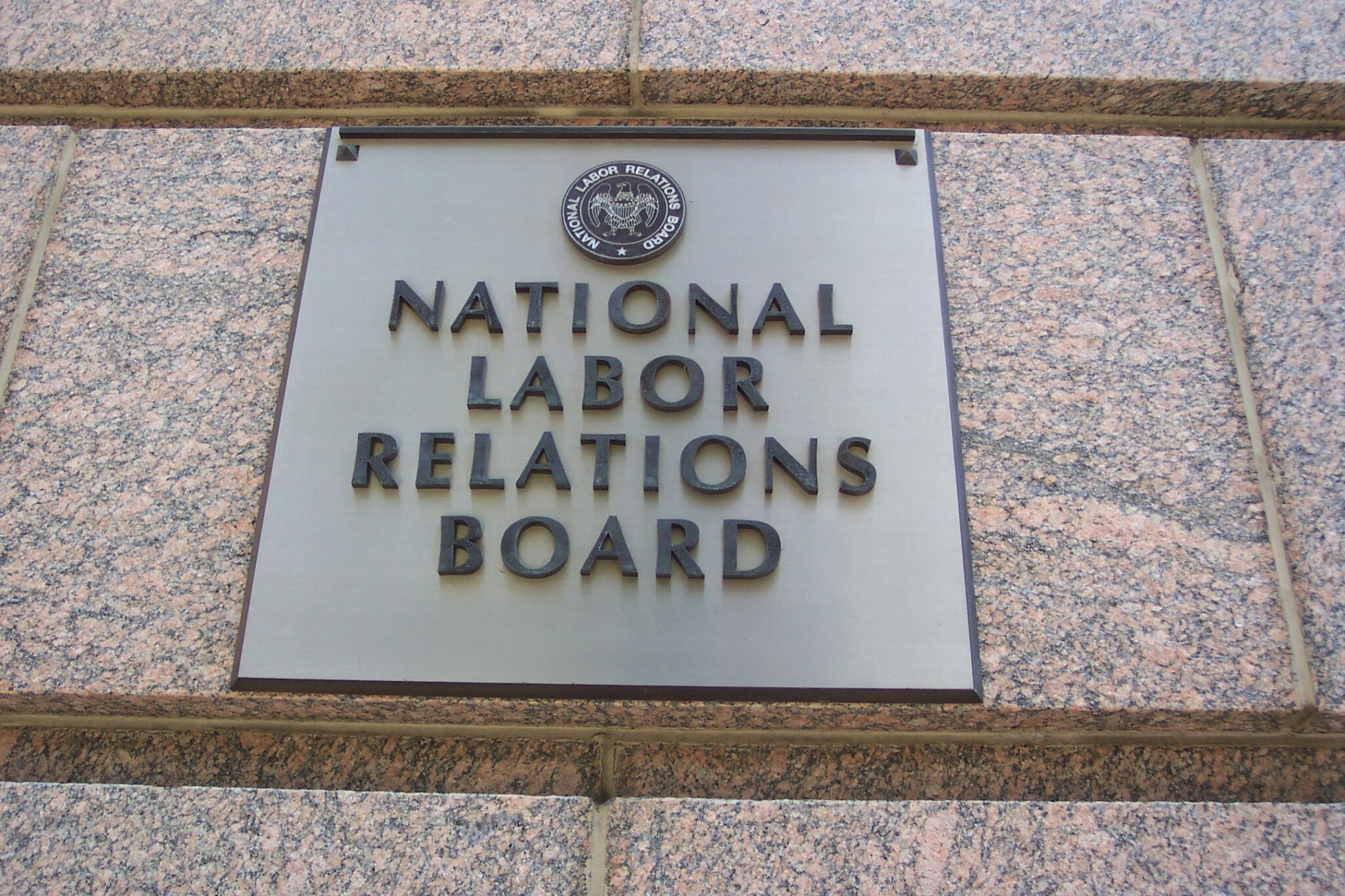
In today’s News and Commentary, Amazon wins a preliminary injunction against enforcement of New York’s private sector bargaining law, ALJs resume deciding ULPs following the shutdown, and the CFPB tells the NTEU that it intends to make unilateral changes without bargaining.
Yesterday, the U.S. District Court for the Eastern District of New York granted Amazon’s request for a preliminary injunction of New York’s State Employment Relations Act amendment that would have allowed the state’s Public Employment Relations Board to assert jurisdiction in private-sector labor disputes when the Board is unable to act. Amazon sued in response to the Amazon Labor Union’s filing of an unfair labor practice charge with the New York Public Employment Relations Board. The court found that Amazon was likely to succeed on the merits of its claim that New York’s law is Garmon preempted by the NLRA. New York had argued that unique circumstances—the Board’s lack of quorum—justified an exception to preemption. The court noted that Garmon does not include such an exception. According to the court, when Congress created the quorum requirement, it understood that there might be instances where the NLRB lacked a quorum.
Also yesterday, an ALJ for the NLRB dismissed an unfair labor practice charge, the first ALJ decision since before the government shutdown. The California Federation of Teachers had argued that ArtCenter College of Design had failed to provide the union the opportunity to bargain over its plan to realign management structure. That plan included moving some unit members into management positions.
On Tuesday, the Consumer Financial Protection Bureau told the NTEU that it intends to impose unilateral changes to terms in its collective bargaining agreement. According to Bloomberg Law, the CFPB claimed that it would modify “CBA provisions that excessively interfere with management rights.” The CFPB claims the unilateral changes are necessary because the CFPB is facing a funding shortage after Trump’s omnibus bill that cut the amount of funding it can request from the Fed nearly in half. The CFPB’s decision comes after the NTEU filed a motion Sunday requesting that the U.S. District Court for the District of Columbia clarify that a failure to request additional funding would violate the court’s earlier decision that prohibited shutting down the agency.


Daily News & Commentary
Start your day with our roundup of the latest labor developments. See all
September 15
Documents reveal the inner workings of Amazon's union avoidance program; Washington state public sector unions reach tentative deals amid a difficult bargaining cycle; hundreds of Nevada Culinary Union members protest their union's health care changes.
September 14
NCAA and Big Ten file motion to dismiss in former star player's NIL suit; Seventh Circuit rules against former postal worker in discrimination suit.
September 13
Documents released on the 25th anniversary of the 9/11 attacks show that city officials encouraged workers to return to Ground Zero despite knowing the risks of asbestos exposure, and new polls demonstrate continued widespread support for labor unions.
September 10
Amazon workers allege pregnancy discrimination; federal unions challenge USDA reorganization; NYC warns of silicosis risks.
September 9
Wynn Las Vegas employees allege anti-union retaliation; Amazon faces a class action over pregnancy accommodations; H-1B demand plunges following a six-figure visa fee.
September 8
In today’s News and Commentary, workers and unions across America celebrate Labor Day, California’s SEIU Local 1000 prepares for a strike authorization vote, and New York City creates the Office of Worker Power. On Monday, labor unions and workers gathered in cities across the United States in celebration of Labor Day. Parades and rallies took […]