Mila Rostain is a student at Harvard Law School and the Digital Director of OnLabor.
In today’s News and Commentary, Sweden’s Tesla strike enters its third year, and Seattle rideshare drivers protest Waymo’s expansion in the city.
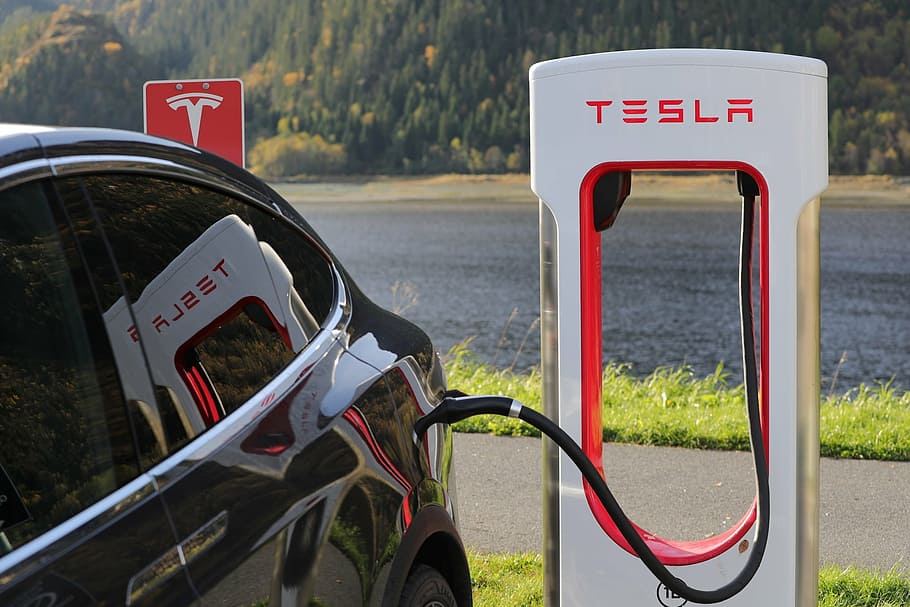
This week marks two years that mechanics at a Tesla service center in Sweden have been on strike. According to the BBC, Tesla has refused to recognize the Swedish workers’ right to organize due to Elon Musk’s critical views of unions. This is the longest strike in modern Swedish history. The workers striking sought jobs at Tesla because they “believed in the idea and the vision” of the company. For many, the work was “not only a job.” But since starting, workers have noticed worsening working conditions, including years without raises for workers. When workers complained of conditions, managers suggested they could find work elsewhere. In Sweden, almost 90% of workers are covered by collective bargaining agreements. But strikes are highly unusual because those collective bargaining agreements all include no strike clauses. The Swedish model excludes the need for politicians and legislation, which both businesses and unions in Sweden support. Tesla’s response has been highly unusual for Swedish workers. When workers announced their intent to form a union with IF Metal, Tesla would not respond. The union took the next step of announcing they would strike, which for unions in Sweden is usually a sufficient threat to gain recognition. But Tesla refused, and workers have been striking since. Also unusual is Tesla’s response to the strike—the company has publicly replaced striking workers, which is atypical for businesses working in Sweden.
On Wednesday, labor groups and rideshare drivers with the Washington Drivers Union protested against Waymo’s planned expansion in Seattle. After three years of testing in Bellevue, Waymo has been operating for the past two months in Seattle with human drivers as backups but intends, after more safety testing and permitting, to be able to have the technology deployed without humans. According to one driver, Papa Diawara, Waymo is “trying to take our job away.” In addition to concerns over job displacements, advocates noted public safety concerns with the technology. There is currently legislation proposed in Washington that would make Waymo and other autonomous vehicle companies as liable as a human driver would be in the event of an accident.





Daily News & Commentary
Start your day with our roundup of the latest labor developments. See all
September 17
Unions push to block Google from buying Spirit Airlines employment records; U.S. Department of Labor sues Oklahoma coffee chain over alleged wage violations.
September 16
Trump nominates Catherine Eschbach as EEOC general counsel; NLRB declines to resolve union work-assignment dispute; Allina Health physicians begin four-day strike.
September 15
Documents reveal the inner workings of Amazon's union avoidance program; Washington state public sector unions reach tentative deals amid a difficult bargaining cycle; hundreds of Nevada Culinary Union members protest their union's health care changes.
September 14
NCAA and Big Ten file motion to dismiss in former star player's NIL suit; Seventh Circuit rules against former postal worker in discrimination suit.
September 13
Documents released on the 25th anniversary of the 9/11 attacks show that city officials encouraged workers to return to Ground Zero despite knowing the risks of asbestos exposure, and new polls demonstrate continued widespread support for labor unions.
September 10
Amazon workers allege pregnancy discrimination; federal unions challenge USDA reorganization; NYC warns of silicosis risks.