
Ajayan Williamson is a student at Harvard Law School.
In today’s news and commentary, a new report alleges retaliation by the UAW President; Senators question Trump’s pick to lead the EEOC; and California considers a bill to expand protections for workers without timely NLRB remedies.
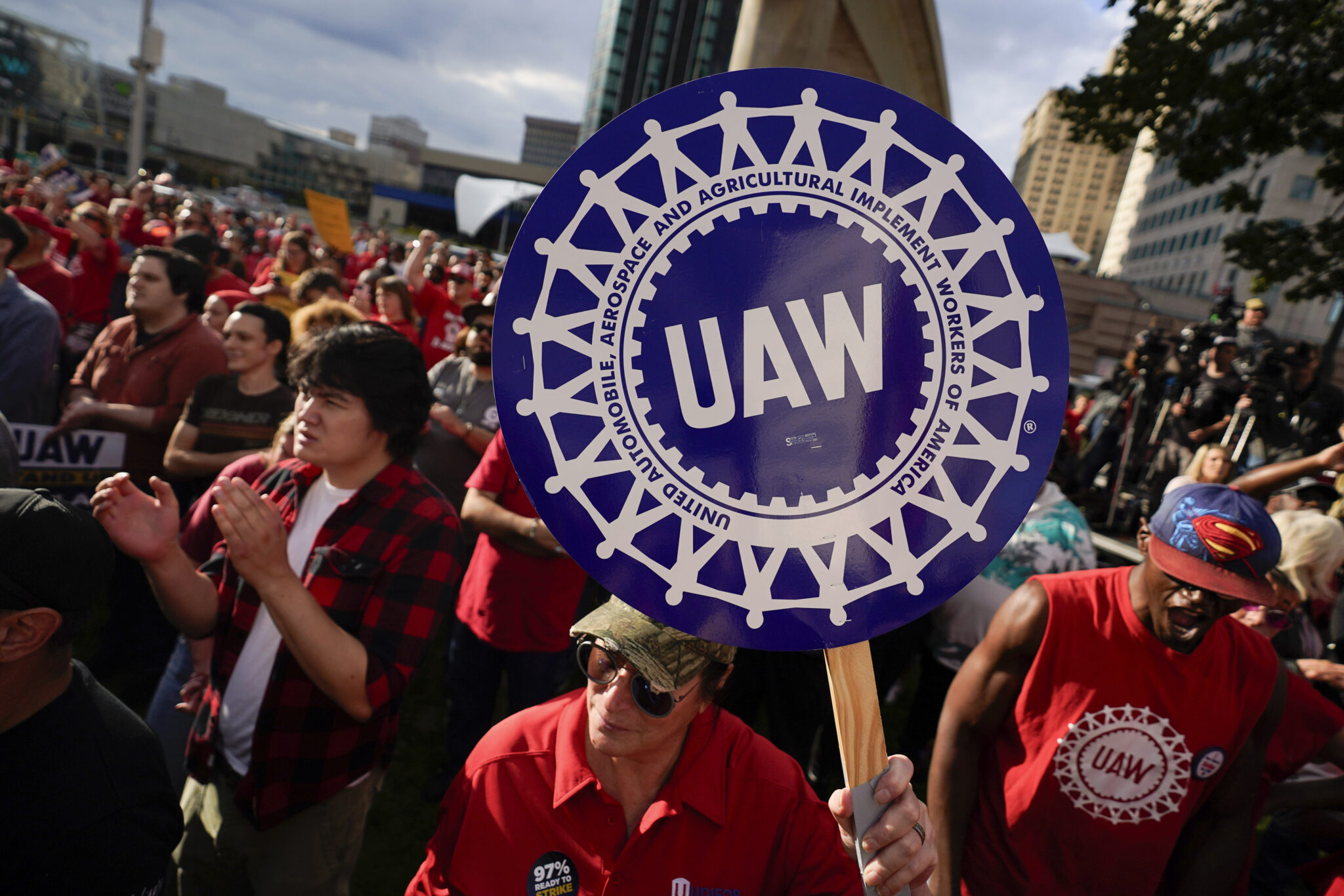
On Tuesday, a court-appointed monitor released a new report on allegations of misconduct in the United Auto Workers (UAW). The monitor was appointed in 2021 pursuant to a consent decree after the Department of Justice filed an anti-corruption lawsuit against the union. The latest report finds that UAW President Shawn Fain took “premeditated” and “retaliatory” action against Margaret Mock, the UAW’s secretary-treasurer, after she refused to approve inappropriate spending. Mock is a Black woman, and the report also finds that Fain attempted to conceal his role in the retaliatory scheme to avoid allegations of racism against her. The report calls for the UAW to reverse the actions taken against Mock, but it defers recommending any charges while the investigation continues.
Meanwhile, Trump’s nominee for EEOC Chair fielded questions from Senators at her confirmation hearing yesterday. Trump appointed Andrea Lucas to the EEOC during his first term, elevated her to acting Chair when he took office in January, and re-nominated her for another five-year term in March. At her confirmation hearing, Senate Democrats pressed Lucas on her decisions to drop the agency’s lawsuits on behalf of transgender workers and questioned whether the agency remained independent from President Trump under her leadership. In response, Lucas reaffirmed her “commit[ment] to dismantling the identity politics that have plagued our civil rights laws,” and expressed her view that “the EEOC is not an independent agency.”
Lastly, the California Senate held its first hearing yesterday on AB 288, a bill that union leaders say would ensure “a real right to unionize” in the state. AB 288 would expand the jurisdiction of California’s Public Employment Relations Board (PERB) in two ways: first, allowing PERB to automatically cover workers who are stripped of NLRA protection in the future, and second, allowing workers to petition PERB for recognition, a bargaining order, or protection from unfair labor practices if the NLRB fails to meet certain deadlines for relief. At the hearing, the Chamber of Commerce argued that the bill is Garmon preempted — but the NLRB’s present incapacitation might make state-level relief both necessary and legally permissible.





Daily News & Commentary
Start your day with our roundup of the latest labor developments. See all
September 21
In today’s News and Commentary, the Seventh Circuit raises the bar for the NLRB to obtain preliminary injunctions, the California Primary Care Association sues SEIU-UHW for racketeering, and the Seventh Circuit finds that an employer group and think tank do not have standing to challenge an Illinois law banning captive audience meetings. On Friday, the […]
September 20
Culinary Workers Union members protests union leadership; lawsuit against OpenAI and Microsoft reveal internal concerns about the threat of AI training to human labor.
September 17
Unions push to block Google from buying Spirit Airlines employment records; U.S. Department of Labor sues Oklahoma coffee chain over alleged wage violations.
September 16
Trump nominates Catherine Eschbach as EEOC general counsel; NLRB declines to resolve union work-assignment dispute; Allina Health physicians begin four-day strike.
September 15
Documents reveal the inner workings of Amazon's union avoidance program; Washington state public sector unions reach tentative deals amid a difficult bargaining cycle; hundreds of Nevada Culinary Union members protest their union's health care changes.
September 14
NCAA and Big Ten file motion to dismiss in former star player's NIL suit; Seventh Circuit rules against former postal worker in discrimination suit.