
Holt McKeithan is a student at Harvard Law School.
In today’s News and Commentary, the Supreme Court sides with Starbucks over the NLRB, fired SpaceX engineers sue Elon Musk for sexual harassment and retaliation, and flight attendants picket in 30 cities.
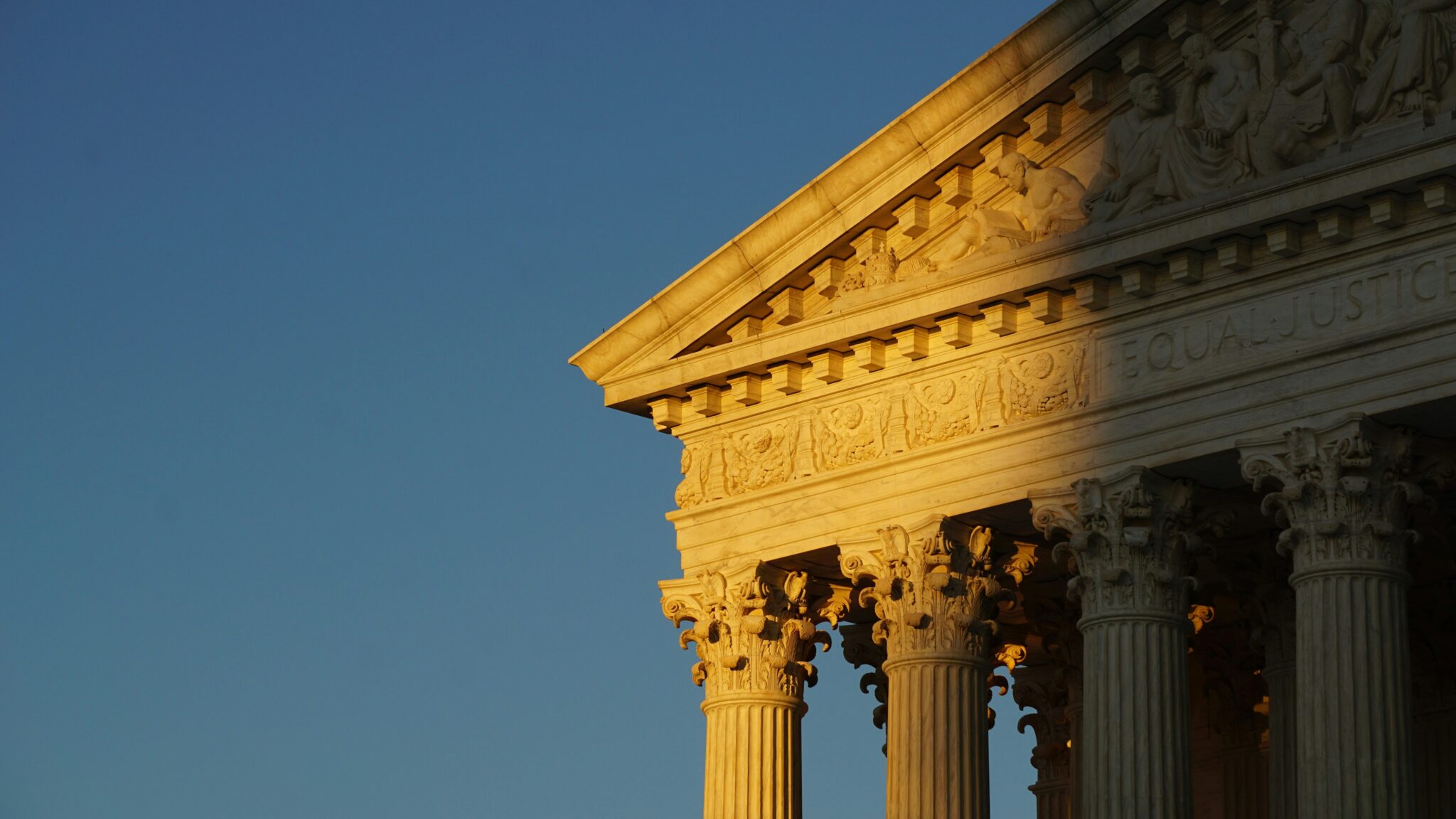
The Supreme Court handed down a decision in Starbucks v. McKinney, restricting the NLRB’s ability to reinstate workers fired during labor disputes. At issue in the case was the proper standard for the NLRB to receive a Section 10(j) injunction, which the Board uses to temporarily reinstate workers fired during labor disputes while the legality of their firing is contested. The court held that the Sixth Circuit erred by applying a standard that was too deferential to the NLRB. Federal judges now must consider a more stringent four-factor test: the likelihood that the board would succeed on the merits that a labor violation occurred, whether denying relief would cause irreparable harm, whether the first two factors outweigh potential hardships on the employer, and whether an injunction serves the public interest. Thomas wrote for the Court, while Justice Jackson issued the only other opinion, dissenting in part. A fuller analysis is forthcoming, and see Andrew’s commentary for more detailed coverage of the arguments.
Eight former SpaceX engineers have sued Elon Musk in California state court, alleging sexual harassment and retaliation for workplace activism. The workers sent an open letter addressing the way Musk publicly mocked misconduct allegations against him. The engineers allege they were fired because of that open letter. Additionally, they claim that sexual harassment “created a wildly uncomfortable hostile work environment.” The same employees have also sued SpaceX for retaliation, and the NLRB’s case against the company is on hold while the federal appeals courts weigh SpaceX’s challenge to the Board’s constitutionality. John is covering the latest on that challenge.
Yesterday, flight attendants picketed outside of 30 airports across the country. More than 100,000 flight attendants are subject to contracts that are expiring, expired, or are otherwise stuck under protracted negotiation. They are asking for better conditions and fair wages, which in some cases, have not risen since before the pandemic. Unlike workers covered by the National Labor Relations Act, flight attendants are subject to the Railway Labor Act and cannot go on strike without advanced permission from the National Mediation Board (NMB). The NMB has been in the process of negotiating new contracts for a number of the workers who are picketing – but some of those processes have been drawn out over five years. And in the meantime, those workers are making pre-pandemic wages. A group of senators wrote to NMB urging swift action to reach agreement with airlines, noting that workers are relying on the NMB because they do not have an independent right to strike. The senators express concern that the airlines may lack incentive to move quickly because the NMB has so rarely issued strikes (“Since 2006, the NMB has only released airline workers to strike twice—most recently, Spirit Airlines Pilots in 2010—compared to dozens of instances in the 1980s and 1990s.”)



Daily News & Commentary
Start your day with our roundup of the latest labor developments. See all
August 17
Tensions rise between New York City's teachers' union and City Hall; NLRB judge finds Brooklyn hospital violated labor law.
August 16
New documents show that federal surveillance operations targeted Minnesota labor unions during the ICE surge, and the Equal Employment Opportunity Commission denies halting federal class discrimination complaints.
August 14
Hollywood unions diverge in response to the Paramount-Warner merger saga; Tesla defeats a years-long strike in Sweden, and labor scholars advocate for state sectoral bargaining policy innovation.
August 13
EEOC complaint process expected to harm federal workers; former UAW leaders endorse Fain challenger; Xbox employees protest layoffs.
August 12
Third Circuit affirms dismissal of driver’s bias and retaliation claims against CBS and Teamsters; employment litigation surges in Washington state; MIT Sloan professor argues the rise of “disposable workers” is transforming American employment.
August 11
Rideshare drivers nearing union certification in California; UFCW campaigns against electronic shelf labels; Teamsters support NYC delivery driver bill.