
Sunah Chang is a student at Harvard Law School.
In today’s news and commentary: the EEOC finalizes its guidance on workplace harassment, unionized hotel workers prepare for May Day rallies, and the Fight for $15 campaign rebrands as Fight for a Union.
Yesterday, the EEOC issued its finalized guidance on preventing harassment in the workplace. This guidance marks the first time since 1999 that the EEOC has updated its anti-harassment guidelines for employers. Notably, in light of the Supreme Court’s 2020 decision in Bostock, the new guidance encompasses protections for LGBTQ+ workers, including protecting the rights of employees to access a bathroom consistent with their gender identity and protecting employees from repeated and intentional misgendering. The guidance also states that workplace harassment based on an employee’s reproductive health-related decisions is prohibited under Title VII. Furthermore, the guidance addresses the growth of virtual work environments and clarifies how harassment can manifest in remote workplaces.
The final guidance was approved by EEOC commissioners by a 3-2 vote along party lines. Conservatives, including Republican EEOC Commissioner Andrea Lucas, have spoken out against the guidance as impinging on the freedom of speech and religion of employees and employers. Accordingly, the guidance is expected to face legal challenges, particularly based on religious discrimination claims.
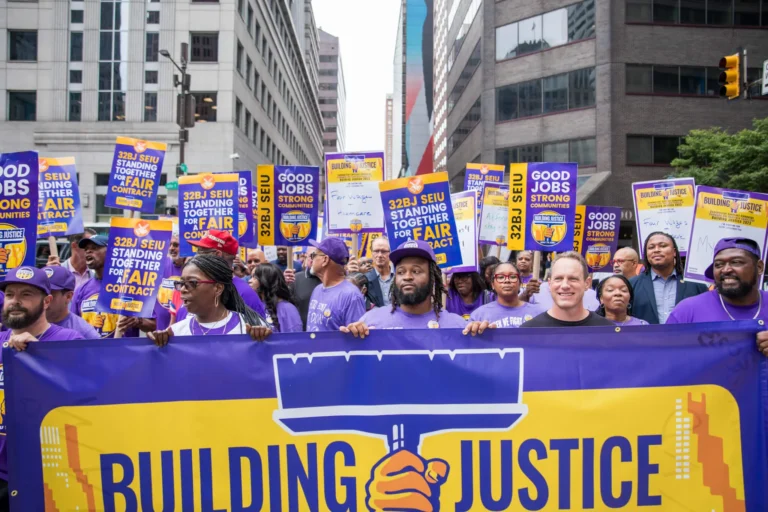
In other news, 40,000 unionized hotel workers across the United States and Canada will hold rallies on May Day as talks for a new contract begin with Marriott, Hilton, and Hyatt. As the hotel industry enjoys a new boom in travel and tourism, hotel workers, who are still working under pandemic-era contracts, are demanding pay raises. Hotel workers will participate in rallies and marches in Boston, Baltimore, New Haven, Toronto, Honolulu, and other cities.
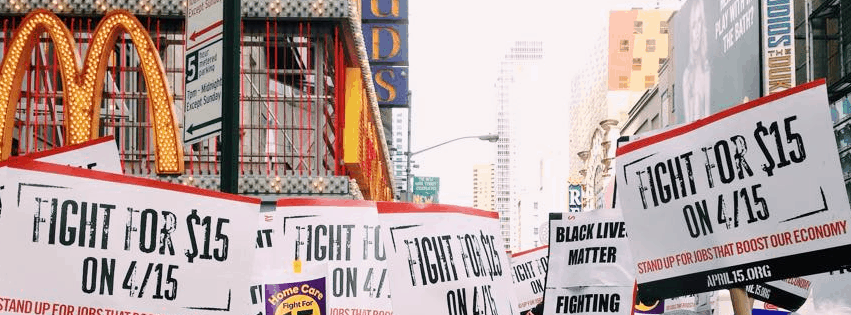
In more union news, the Fight for $15 campaign, a coalitional movement that began in 2012 to demand better pay for low-wage workers, has rebranded itself as “Fight for a Union.” Originally launched as “Fight for $15 and a Union,” the campaign pivoted to focus on its demand for a $15 minimum wage and gained successes in raising minimum wage laws across numerous states and cities. In light of these successes (and perhaps in light of the emerging discourse surrounding the inadequacy of a $15 minimum wage), the movement’s organizers have rebranded the campaign to “Fight for a Union” in order to focus on its “demand for every worker to have a union.” In its rebranding announcement video, the campaign stated: “From the beginning, we were speaking out, organizing, and striking for a union. As workers, we fight for a thriving wage, not just a living wage.”

Daily News & Commentary
Start your day with our roundup of the latest labor developments. See all
September 10
Amazon workers allege pregnancy discrimination; federal unions challenge USDA reorganization; NYC warns of silicosis risks.
September 9
Wynn Las Vegas employees allege anti-union retaliation; Amazon faces a class action over pregnancy accommodations; H-1B demand plunges following a six-figure visa fee.
September 8
In today’s News and Commentary, workers and unions across America celebrate Labor Day, California’s SEIU Local 1000 prepares for a strike authorization vote, and New York City creates the Office of Worker Power. On Monday, labor unions and workers gathered in cities across the United States in celebration of Labor Day. Parades and rallies took […]
September 7
Eighth Circuit finds DOL order violates Seventh Amendment; 1,300 workers at Encore Boston Harbor go on strike.
September 6
Encore casino workers strike; President Trump commutes sentence of former Philadelphia IBEW leader; Durham labor activist ends his hunger strike against Amazon.
September 4
NLRB advice memo narrows political protest protections; NLRB asks federal appeals court for deference.