
Sunah Chang is a student at Harvard Law School.
In today’s news and commentary: the New York Times Tech Guild returns to work as bargaining talks continue, and Bloomberg Law analyzes the fate of the EEOC under Trump’s second term.
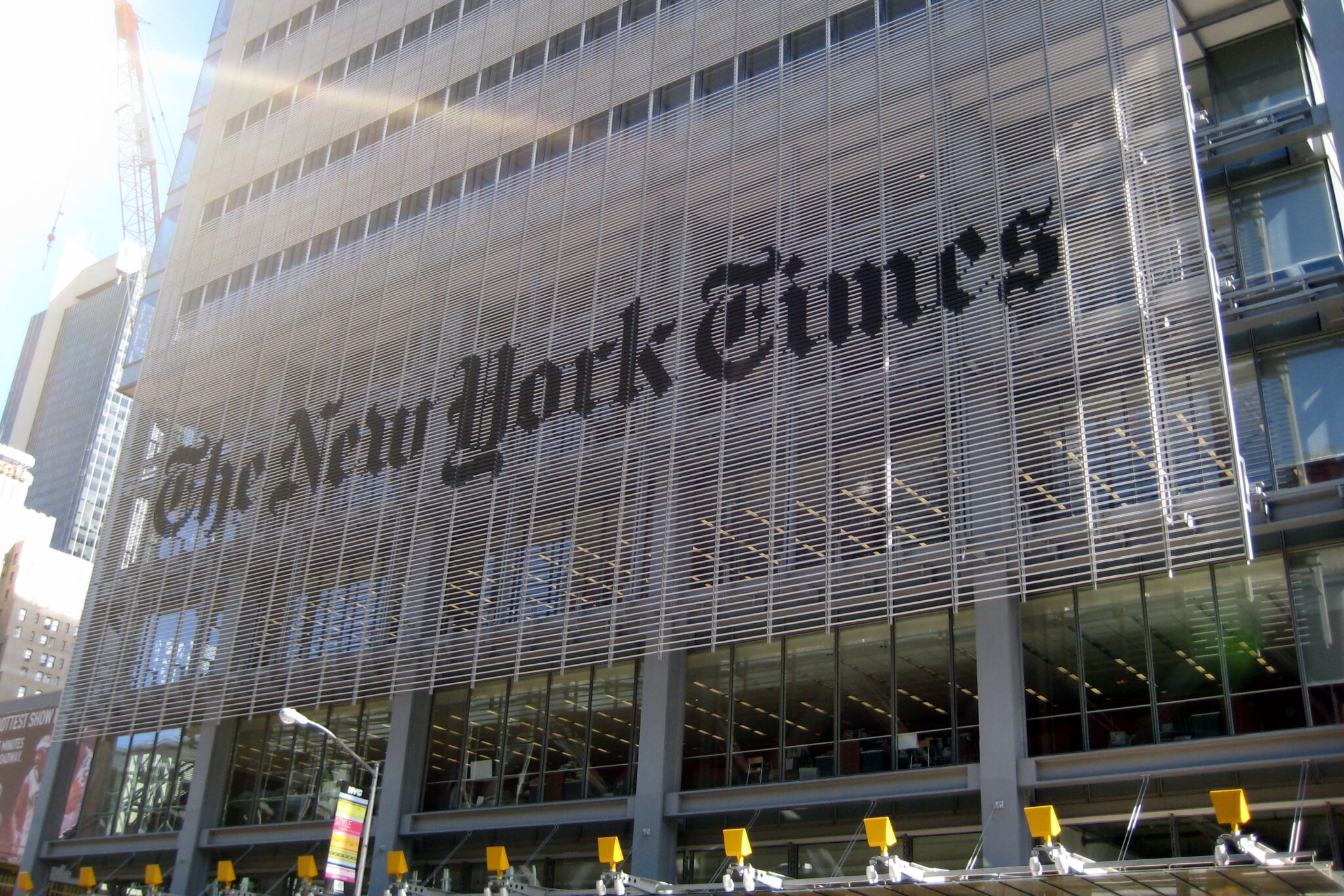
Yesterday, the New York Times Tech Guild, the union representing more than 600 tech workers, announced the end of their week-long strike. Last Monday, the guild launched a strike just a day before election day to raise pressure on the company in the midst of stalled contract negotiations. The guild has been in ongoing negotiations over wages and job security with the New York Times for over two years.
Negotiations did not progress during the week-long strike. However, the tech workers have expressed optimism that the strike will reinvigorate contract talks moving forward. According to the Tech Guild, the strike impacted the New York Times’ election coverage by eliminating state-level or non-presidential needles from its website, disrupting ads, and slowing down apps and websites. The Tech Guild also stated that subscribers across the country showcased their solidarity with the striking workers by boycotting the New York Times’ cooking app and daily word puzzles and by using the Tech Guild members’ independently run games site during the week-long strike. In a press release published yesterday, the Tech Guild’s unit chair, Kathy Zhang, stated that the strike served as a “warning” to the company. “We clearly demonstrated how valuable our work is to The New York Times, especially on election night, and showed that we have the full support of subscribers and allies across the country going forward.”
In light of the recent presidential election, Bloomberg Law has published an article diving into how the second Trump administration may shape the future of the EEOC. According to the article, Trump has plans to appoint the current Republican commissioner, Andrea Lucas, as chair of the EEOC and to replace the general counsel with a Republican appointee. Once Vice Chair Jocelyn Samuels’ term expires in 2026, Trump will have the chance to appoint another Republican commissioner to the EEOC, securing a majority of the five-person board. Up until then, the Democratic majority may stall Trump from pushing forward his agenda through the EEOC; a 2021 update to EEOC practices grants a majority of commissioners the authority to request a vote to bring most cases. However, once the majority of the board flips in 2026, it is anticipated that the Trump administration will wield the EEOC to further various conservative policy agendas, such as combating DEI efforts or reducing protections for LGBTQ+ and pregnant workers.




Daily News & Commentary
Start your day with our roundup of the latest labor developments. See all
October 22
SCOTUS declines Wilcox appeal; Penn State research assistants win bargaining rights; SEIU sued over military leave firing.
October 21
DOL withdraws tipped-worker rule; Instacart settles hiring-bias claims; Phillips 66 locks out New Jersey refinery workers.
October 20
Korean unions oppose labor exemption bill; Portland city workers prepare for strike; UPenn grad student union looks to dismiss university filing
October 19
FDA reverses course on policy prohibiting off-duty union activity; FAA and NATCA reach deal to secure pay increase for air traffic controllers.
October 18
Federal judge again halts cancellation of the Bureau of Prisons’ CBA; tabletop gaming workers face roadblocks in union recognition.
October 16
Department of Labor reduces wage-and-hour enforcement at unionized workplaces; Fain's victory poses question of federal monitor's extension.