
Sunah Chang is a student at Harvard Law School.
In today’s news and commentary: Corporations back away from workplace DEI initiatives, the Poor People’s Campaign launches marches across the country to call for economic justice and workers’ rights, and more university workers seek to unionize.
Corporate America has officially begun its retreat from DEI programs. According to an article published by Bloomberg on Sunday, major banks and companies have begun to scale down existing workforce diversity programs in response to last summer’s SFFA decision and the ongoing public campaign against DEI. For example, Goldman Sachs has opened up its networking summit for Black college students to white students, Bank of America has broadened internal programs that were previously only for women and minorities, and Zoom has laid off its internal DEI team. Many of these DEI programs were created or bolstered during the summer of 2020, after waves of protests responding to the death of George Floyd increased demands for racial justice across the country. Yet, the current backlash against DEI threatens to undo many of these diversity efforts within American businesses.
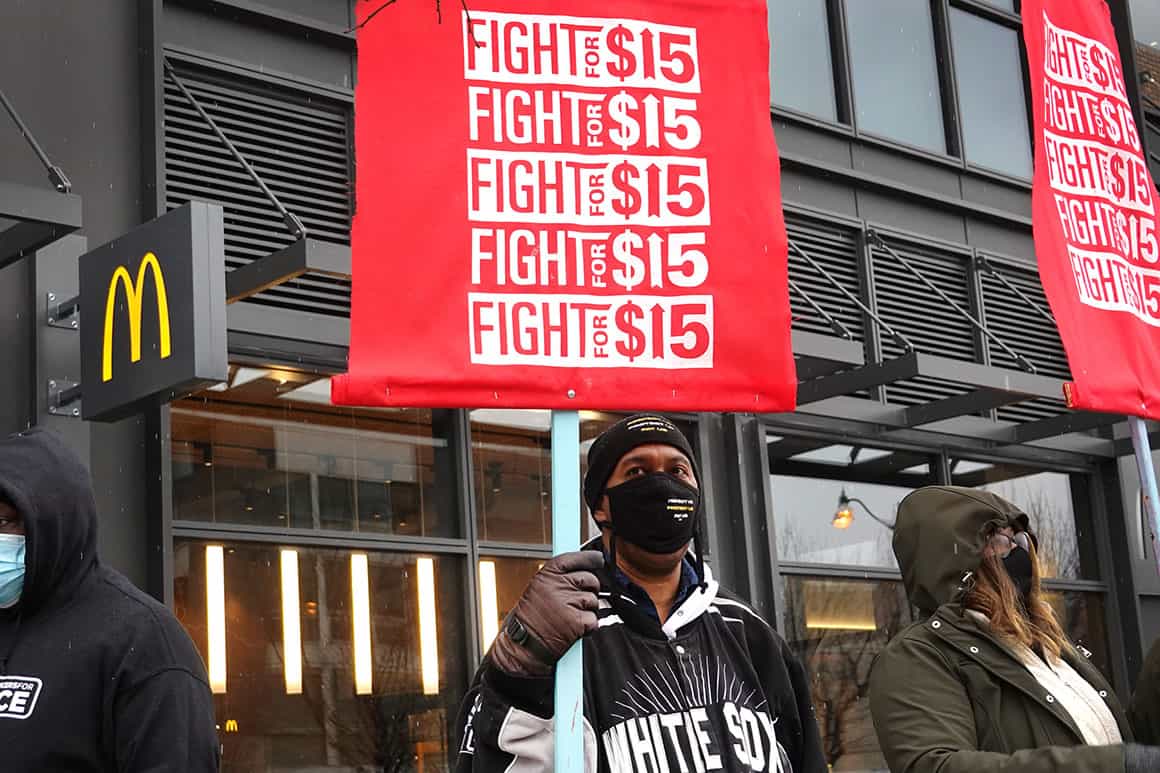
This past Saturday, the Poor People’s Campaign organized marches in 32 states and DC to demand poverty alleviation and mobilize low-income voters in preparation for today’s Super Tuesday. Among various calls for economic, racial, and climate justice, the campaign also demands a federal minimum wage of at least $15 an hour and calls on the government to ensure paid family and medical leave, adequate OSHA protections, and the right to form and join unions. While the Poor People’s Campaign operates at a national level, the March 2nd marches were coordinated with the help of local organizers and partner organizations, including labor unions and faith leaders. Moving forward, the campaign plans to hold 40 weeks of action leading up to the November election.
Turning to universities, more student workers have made headway in their paths to unionization. On Sunday, the Vanderbilt Graduate Workers United announced that a majority of graduate student workers had signed union authorization cards to form their union. Yesterday, Harvard Academic Workers, a union which brings together non-tenure-track academic workers at Harvard University, filed for a union election with the NLRB. Last week, the Harvard Union of Residential Advisors launched its public campaign to form a union, and is preparing to file for a union election with the NLRB.




Daily News & Commentary
Start your day with our roundup of the latest labor developments. See all
November 19
Harvard academic workers end strike without contract; Reuters journalists authorize a strike; Spirit Airlines’ sale of employee data to Google for AI training approved.
November 18
Judge vacates foreign-student visa limits; DOL proposes QPAM relief; Supreme Court declines Nexstar appeal.
November 17
Amazon workers in Canada win company's first union contract in North America; NY law gives employees access to personnel records; D.C. Circuit looks to overturn Trump joint employer rule
November 16
FMCSA ordered to disburse $73 million in withheld highway funds to New York; Department of Labor final rule regarding large union financial disclosures issued six years after initial withdrawal is upheld; Department of Labor issues enforcement alert for physician ghost networks maintained by health plans.
November 15
Unions oppose Chuck Schumer for Senate Majority Leader; Rockstar staff vote on unionization ahead of Grand Theft Auto VI’s release; New Jersey Education Association faces federal investigation.
November 12
Harvard graduate students go on strike; New York city mayor prepares to negotiate with the city's largest public union; the Trump administration proposes stringent rules for workers seeking benefits.